


















While Adelaide is famous for its wine country and festivals, its coastline offers everything from gentle Gulf beaches to powerful Southern Ocean reefs and points. These exposed breaks deliver moderate to big waves, with options for beginners and experienced surfers alike. Remote spots stay quiet off-season, while popular breaks can get busy. This guide covers the best places to surf, when to go, what to pack, and how to stay powered on remote trips.

The Things You Must Know Before You Paddle Out
Before paddling out, understand the three distinct regions:
- Metro Gulf Beaches: 16–48km from the city centre (Gulf St Vincent)
- Fleurieu Peninsula: 45–90 minute drive south (Port Noarlunga, Middleton, Waitpinga)
- Yorke Peninsula: 2.5–4 hours drive (depending on specific break and road conditions)
Each zone offers different wave types, sizes, and hazard levels.
The main swell direction is south-west, with the most consistent and powerful waves from March to October. Winter (June–August) brings strong storms and bigger surf. Summer (December–February) usually features smaller, gentler waves—ideal for beginners—but occasional big swells can still arrive. Always check forecasts.
Wind and tide play a major role. Northerly or easterly winds often clean up the face of the wave, while onshore winds make it messy. Strong rips are common on exposed reefs, especially after storms or on big tides. Shark sightings occur occasionally on south-facing reefs (mainly mornings/evenings with low visibility)—surf patrolled spots when possible and check PIRSA alerts.
Seasonal Water, Swell, & Wetsuit Guide
| Season | Typical Water Temp | Wetsuit Advice | Best Zones | Typical Swell at Exposed Breaks |
| Summer (Dec–Feb) | ~20–22°C | 2 mm spring or 3/2 mm shorty/full | Metro beaches, sheltered bays | 0.5–2 m (often small) |
| Autumn (Mar–May) | ~18–20°C | 3/2 mm or 4/3 mm | All regions, especially Fleurieu | 1–3 m as swell picks up |
| Winter (Jun–Aug) | ~15–16°C | 4/3 mm steamer + boots, hood/gloves on cold days | Fleurieu, Yorke, exposed reefs | 2–4 m during strong winter storms |
| Spring (Sep–Nov) | ~16–19°C | 3/2 mm or 4/3 mm | Exposed reefs on Fleurieu & Yorke | 1–3 m as swell builds |
This table helps you choose the right suit and zone based on conditions.
Where to Find the Best Breaks

Several destinations allow you to experience Adelaide surfing. These include:
Metropolitan Beaches (Beginner-Friendly)
Metro Gulf beaches offer quick, convenient sessions. When swell enters the Gulf, spots like Grange, Henley, Brighton, Semaphore, and Glenelg deliver medium-sized shore breaks.
These are perfect for beginners or mellow surfers. The Gulf shields much of the swell energy, so sets can be inconsistent or flat on smaller days. Brighton jetty can produce a fun point break on small swells, but currents get tricky on bigger days. South Brighton picks up slightly more swell due to its exposure. Always follow lifeguard directions and be patient—wait for the right forecast.
Fleurieu Peninsula (Intermediate to Advanced)

A 45–90 minute drive south brings you to the Fleurieu coast, where waves connect directly with the Southern Ocean—more consistent and varied surf.
Port Noarlunga features multiple breaks, including beach breaks near the river mouth (shift with sand and tide) and reef breaks near the old jetty. Wave quality varies significantly with tidal movement.
Moana Beach faces west, offering gentle waves suitable for beginners and families most days. When a larger west or south-west swell arrives, waves increase to an intermediate size. Lifeguards patrol Moana weekends and summer holidays—verify patrol times before surfing.
Middleton is renowned for long, peeling waves under the right conditions—ideal for longboarders and shortboarders. It can be soft/mushy on weak swells or odd tides, so local knowledge helps.
Waitpinga and Parsons are advanced reef and point breaks—powerful, with strong rips, rocks, and currents. Barrels are possible on good days, but only experienced surfers should attempt them. Always check the forecast, tide, and go with a buddy.
Yorke Peninsula (Remote & Advanced)

For uncrowded, raw surf, Yorke is worth the drive (2.5–4 hours). Waves are often empty and powerful.
Pondalowie Bay mixes reef and beach breaks, producing quality waves when swell and tide align. Access tracks require high-clearance vehicles—soft sand and corrugations challenge standard cars.
Innes National Park near Corny Point offers reef and point breaks for advanced surfers—best on south or south-west swells. Timing, tide, and wind must match.
The Ethel wreck near Corny Point produces fast, powerful lefts in the right conditions—experienced surfers only. Remote location and rough roads necessitate 4WD, emergency supplies, and conservative safety margins.
Essential Surf Trip Strategies

Timing & Safety
- Surf dawn or dusk for offshore winds and reduced crowds (shark awareness required)
- Check surf forecasts, tide charts, and local cams before departing
- For remote Yorke Peninsula missions: use high-clearance vehicles, carry extra water/food/fuel, and establish emergency communication plans
- Inform someone of your specific location and expected return time
Essential Gear
- Water and high-energy snacks
- First aid kit (include treatment for cuts/reef scrapes)
- Reef booties for rocky entries
- Quality leash suitable for strong currents
- Sunscreen and zinc (waterproof SPF50+)
- Mobile phone (note: coverage is limited to non-existent at remote Yorke breaks)
- Personal Locator Beacon (PLB) or EPIRB for remote locations
Cold Water Equipment
Adelaide's southern coast requires proper wetsuit selection:
- Summer: 2mm spring suit or 3/2mm full suit
- Autumn/Spring: 3/2mm or 4/3mm full suit
- Winter: 4/3mm steamer plus booties, hood, and gloves for extended sessions
Board selection depends on break type: Longboards, funboards, or hybrids suit soft metro beach breaks. Shortboards or step-up boards are necessary for powerful reef/point breaks.
Power Solutions for Remote Surf Missions

Power Solutions for Remote Surf Missions
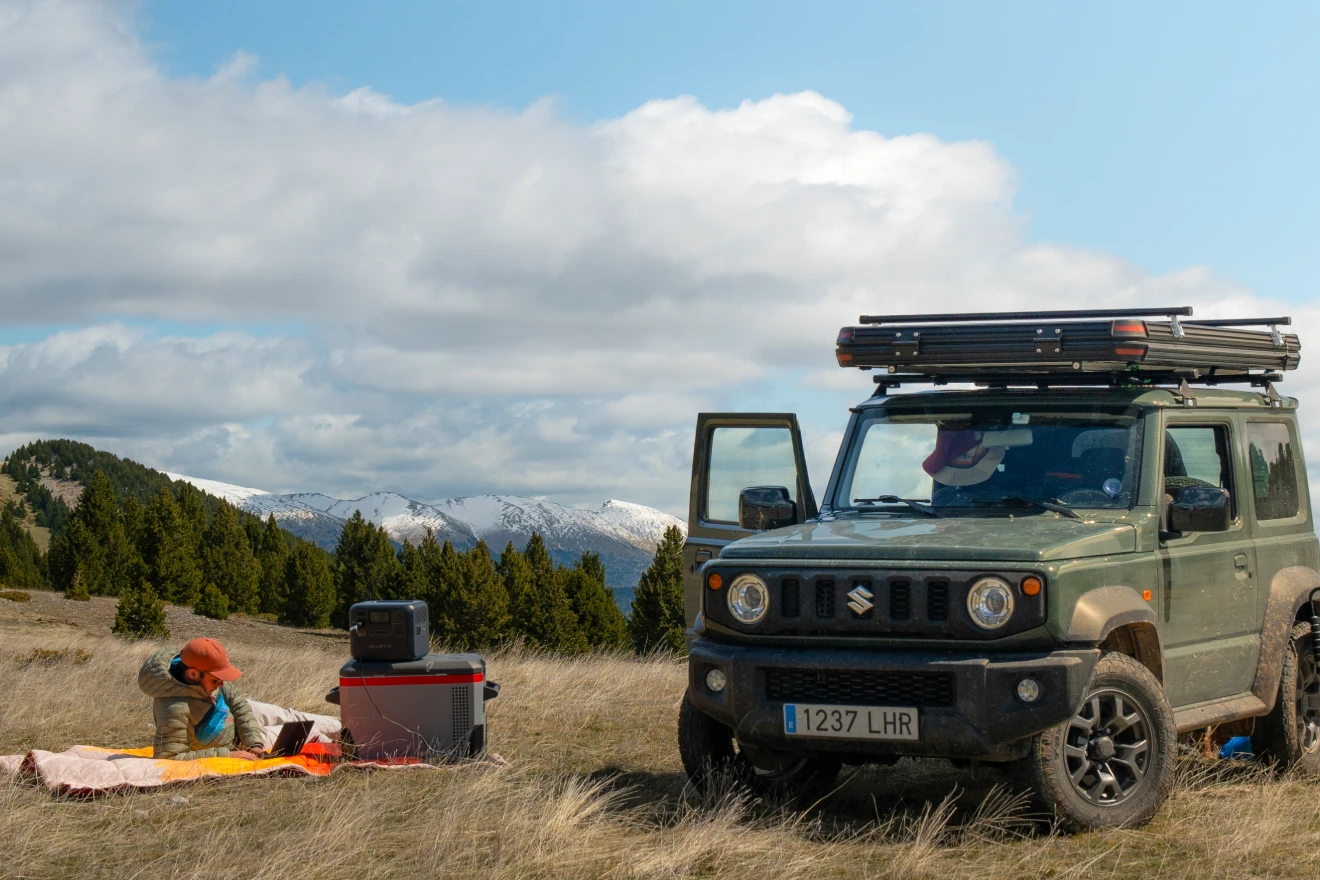
Remote surf trips present unique power challenges: action cameras die quickly in cold water, mobile phones are essential for safety but lose charge rapidly, and multi-day camping requires refrigeration for food and fish. Generators are impractical for beach use (noise, sand, fuel), while vehicle power can drain starter batteries.
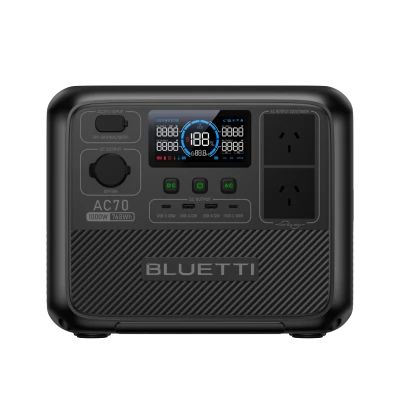
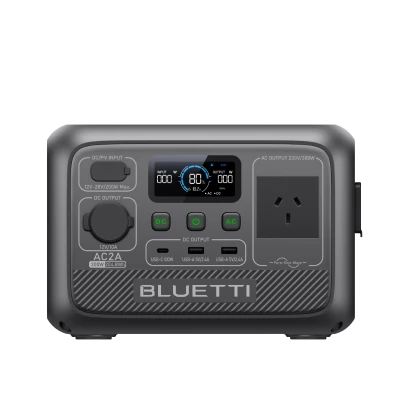
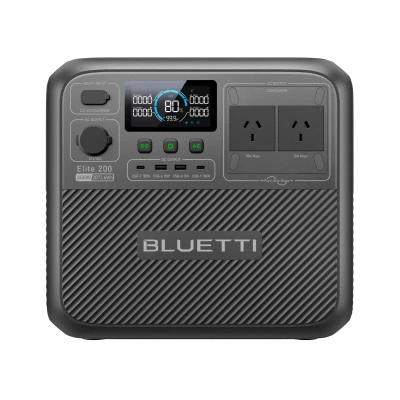
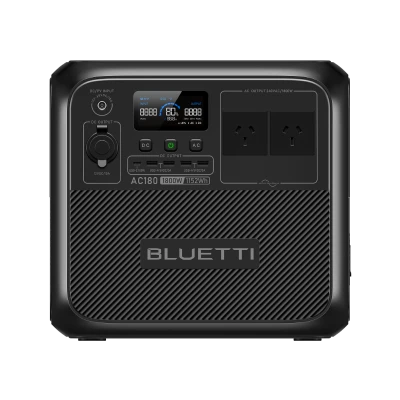
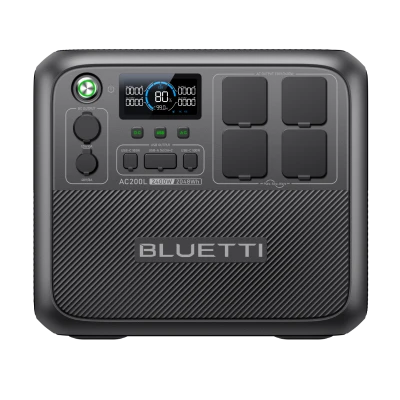
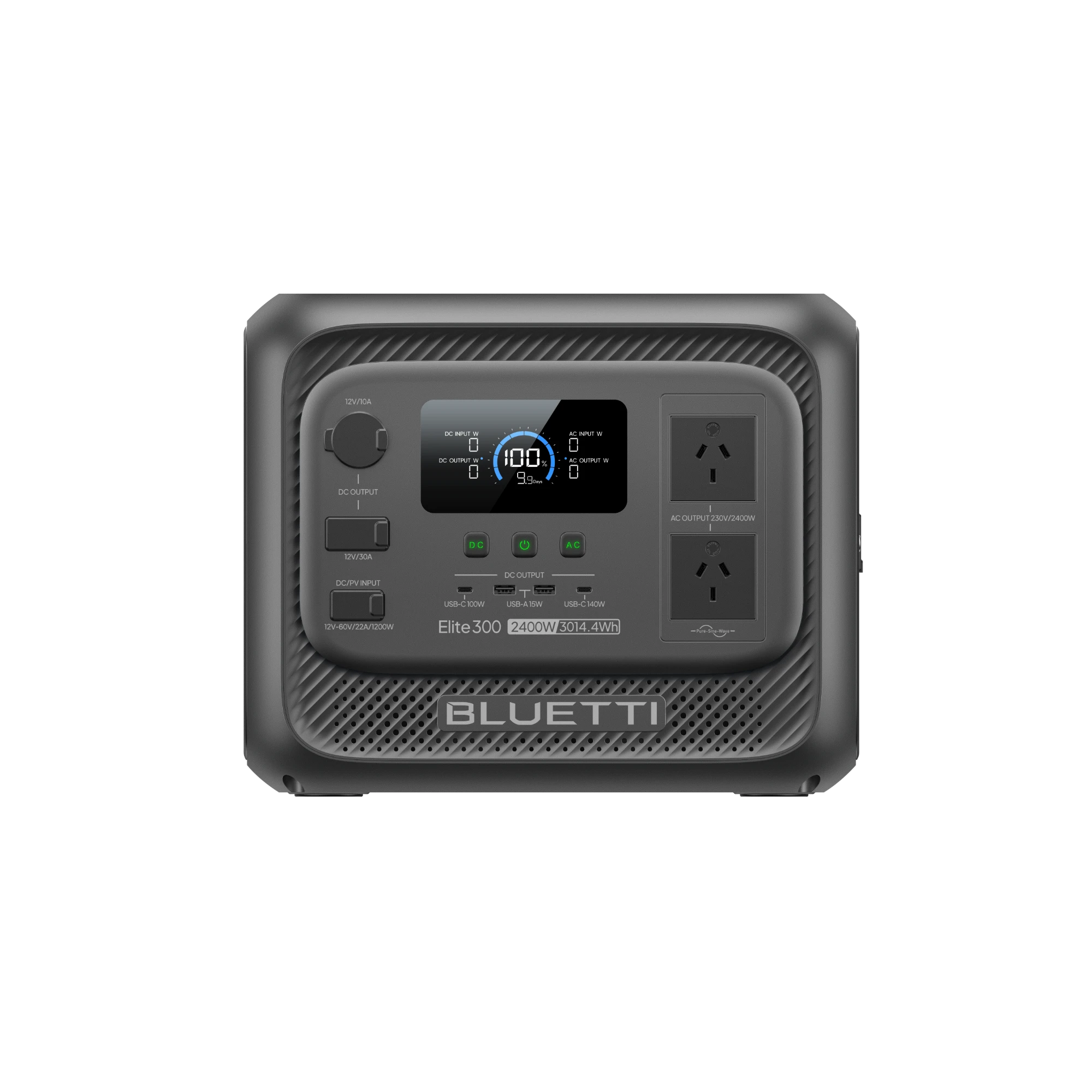
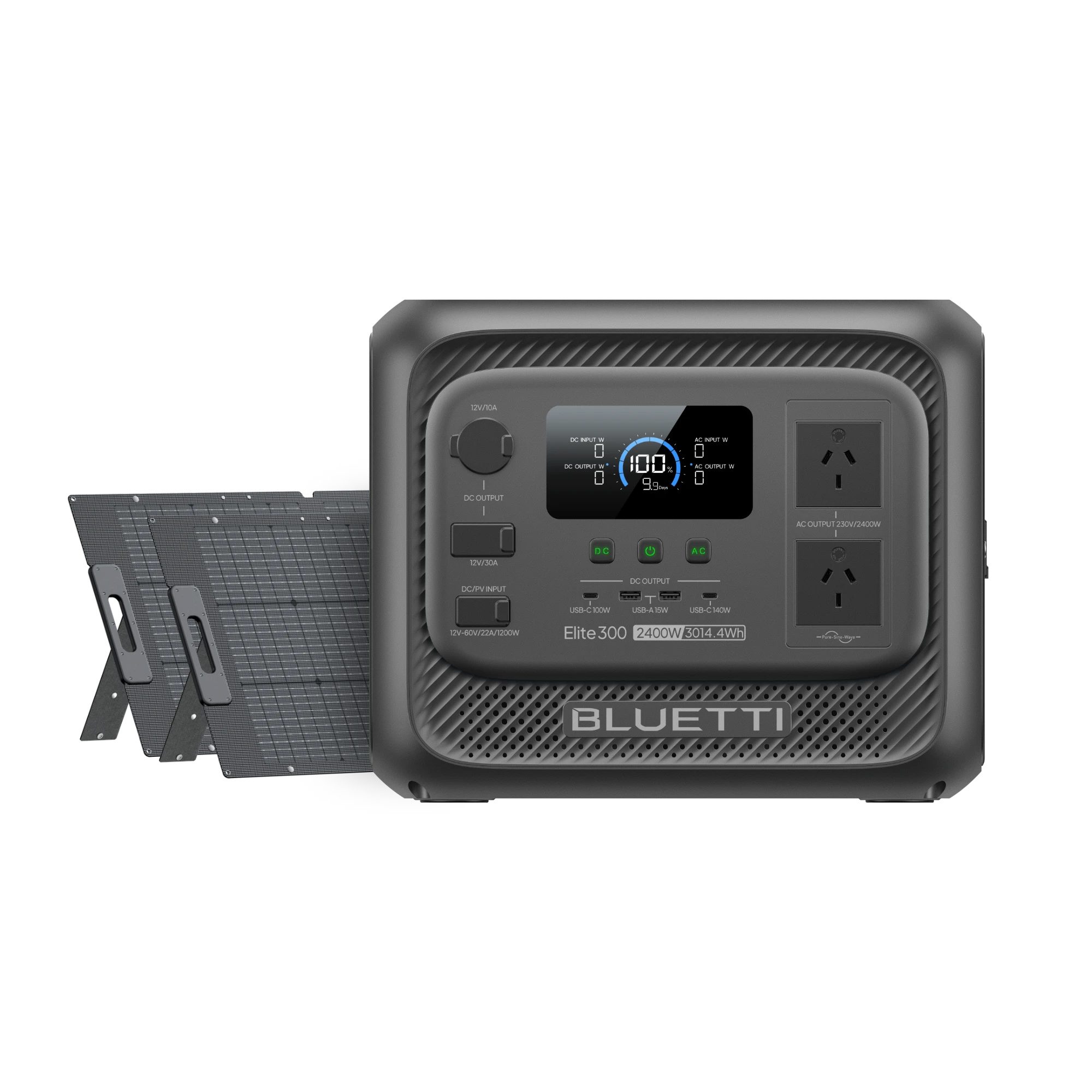
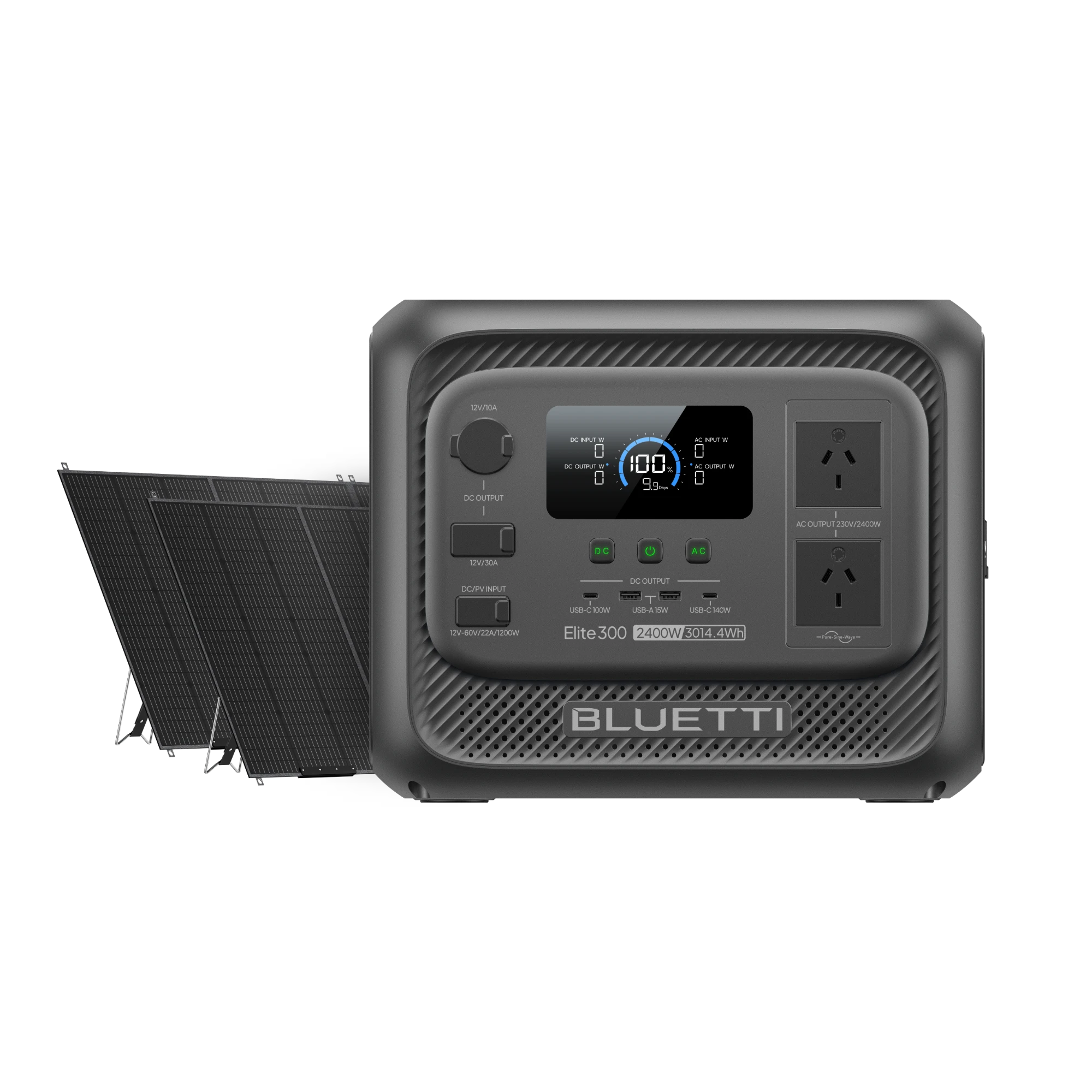
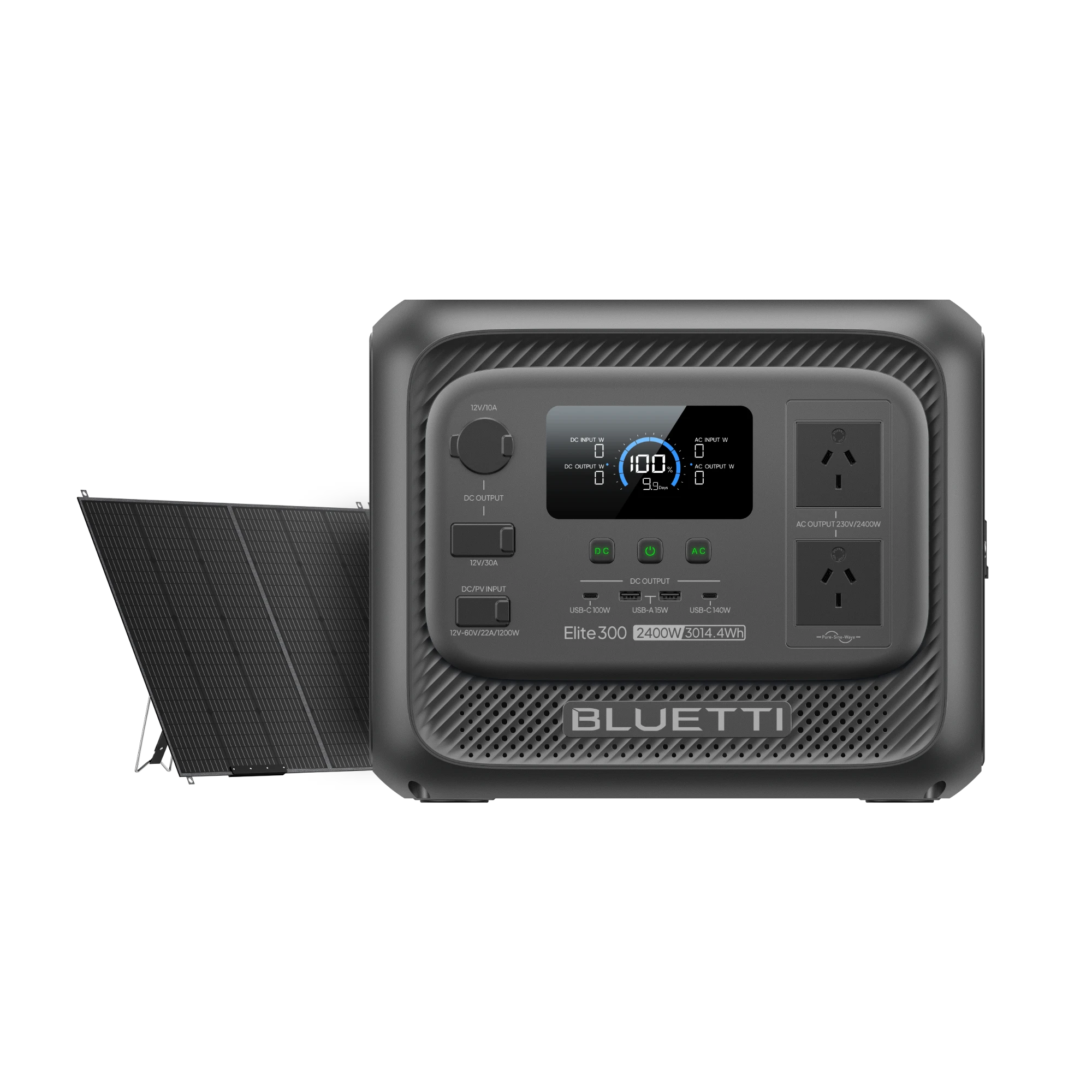
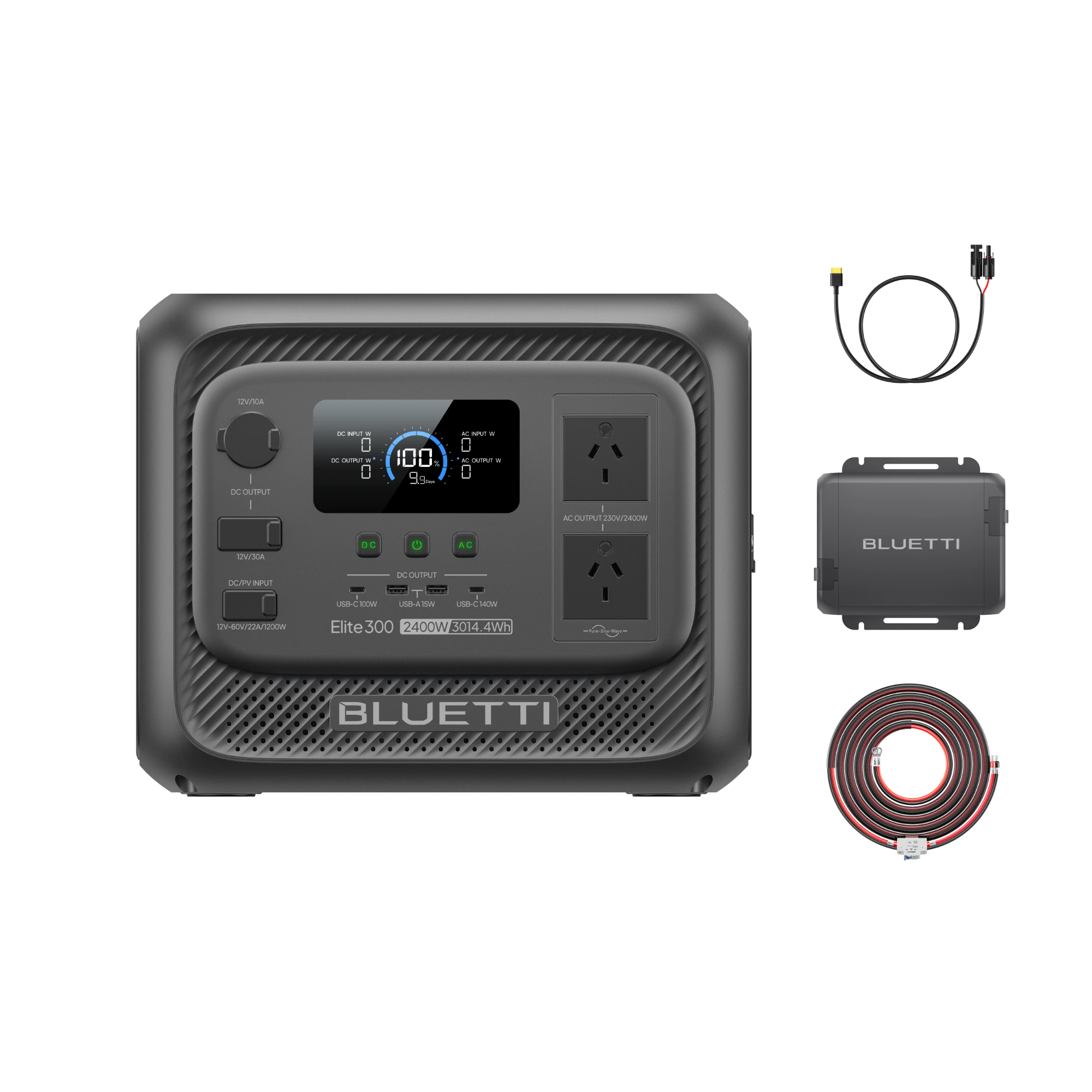
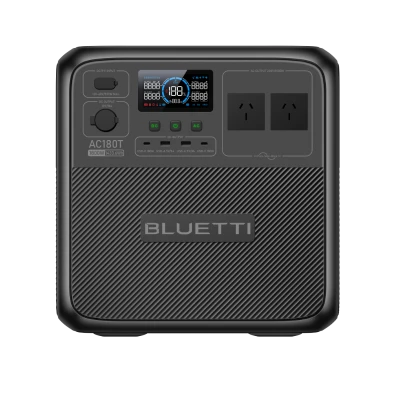
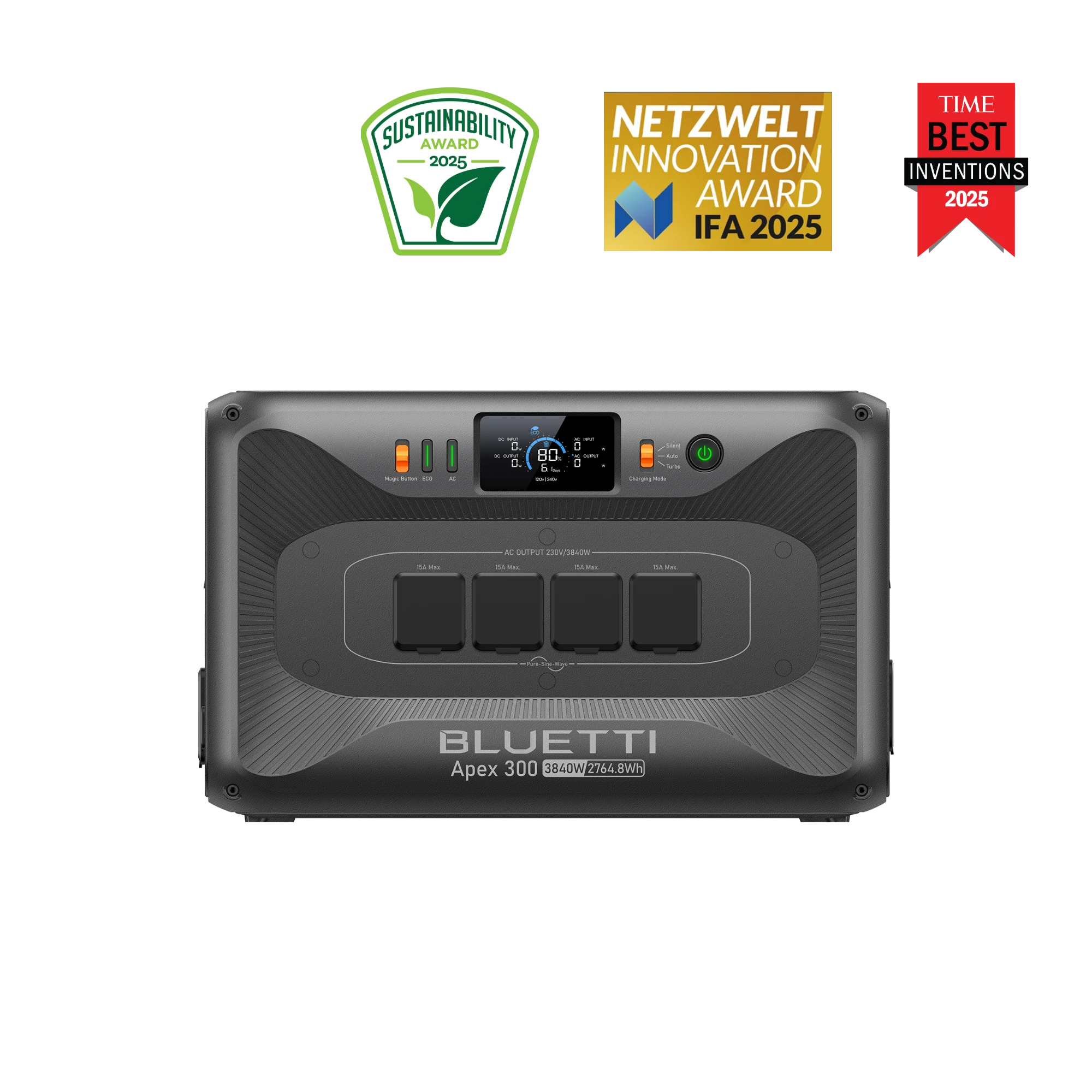
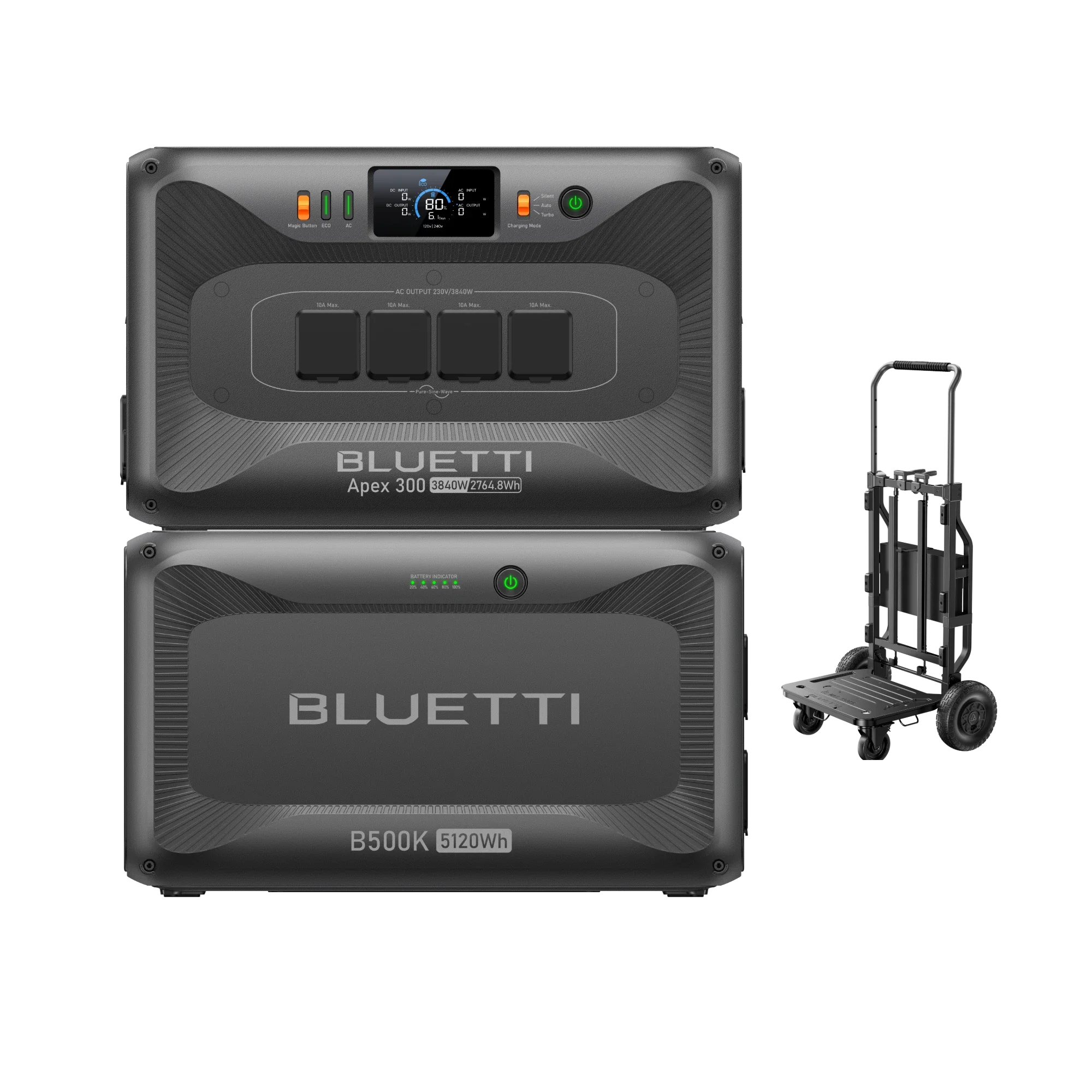
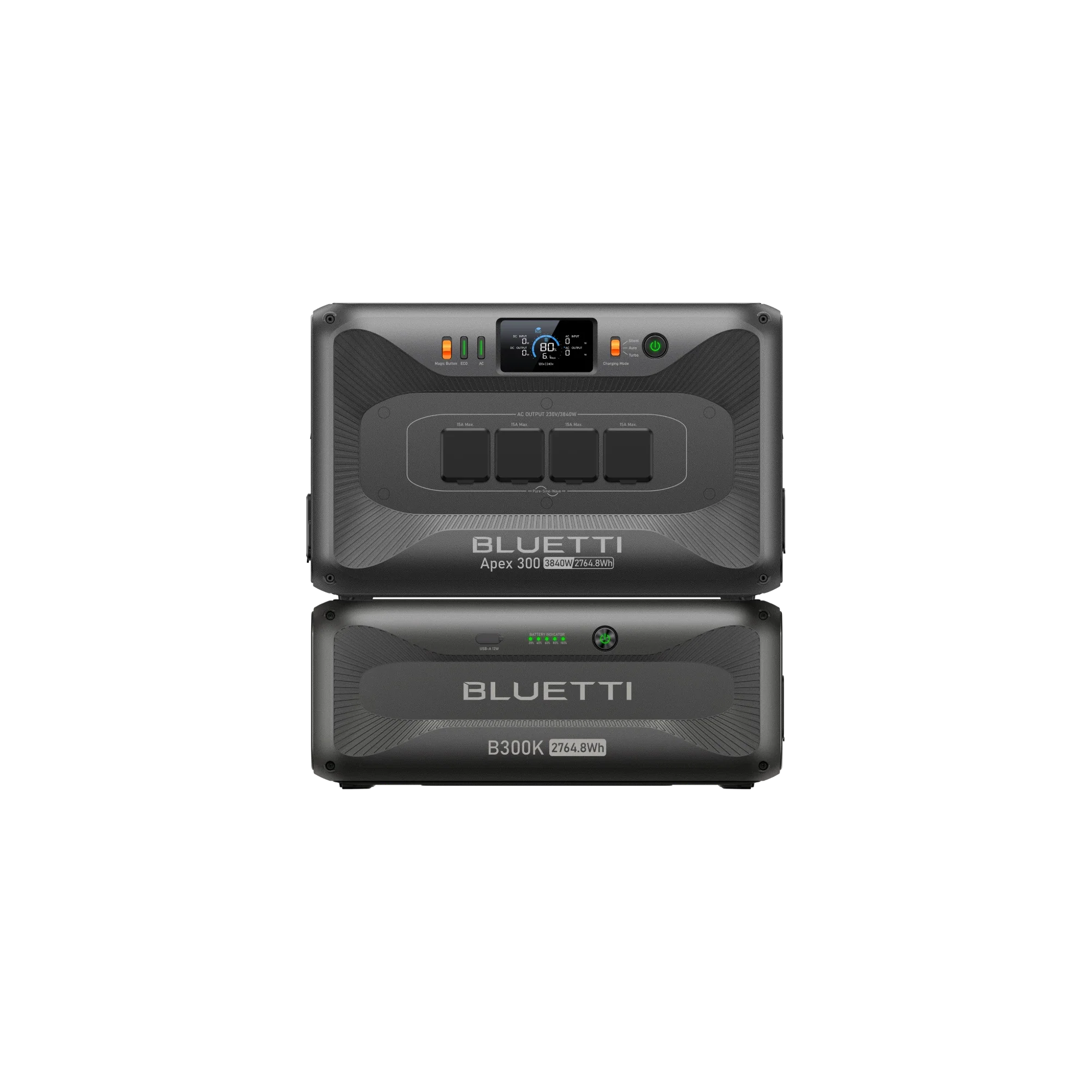
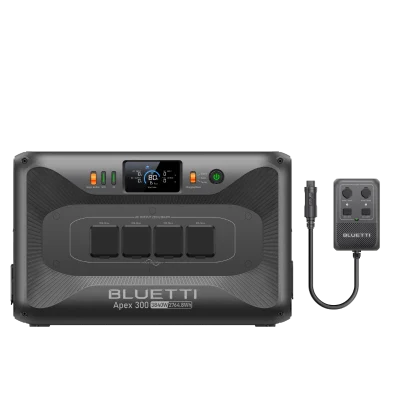
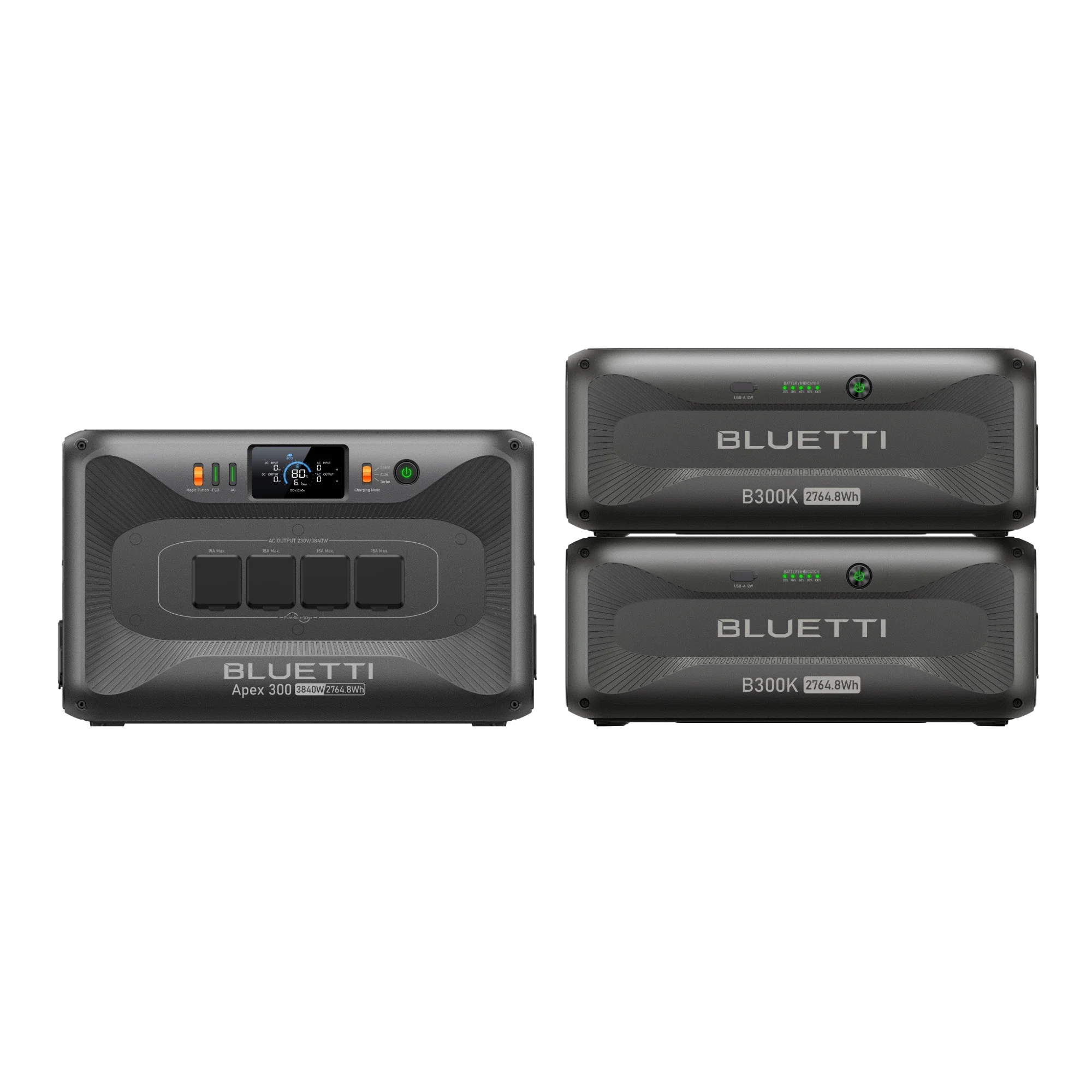
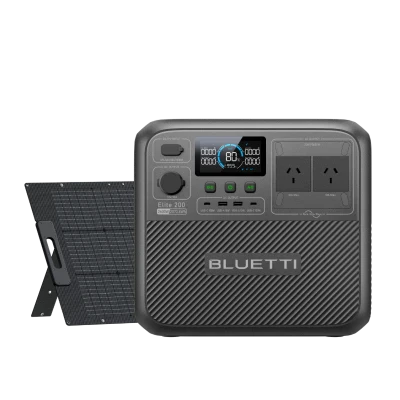
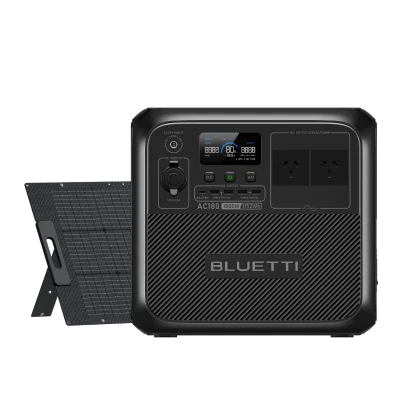
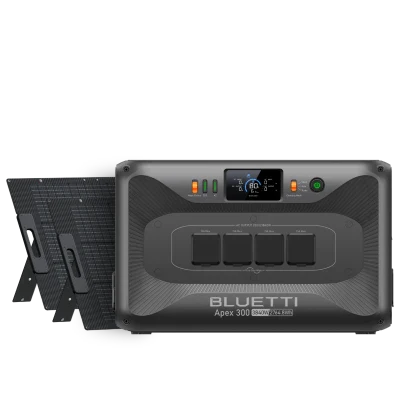
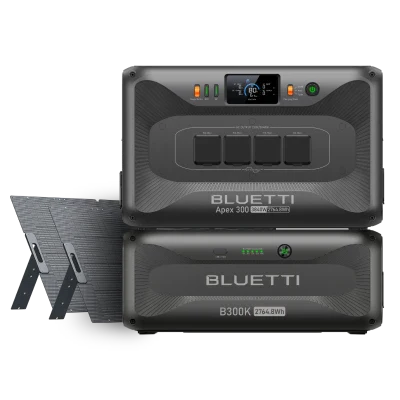
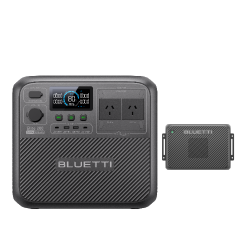
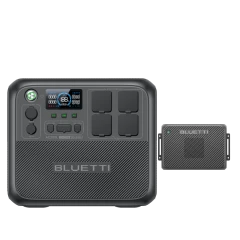
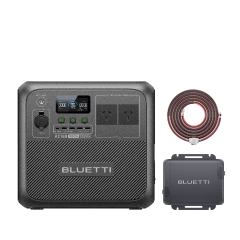
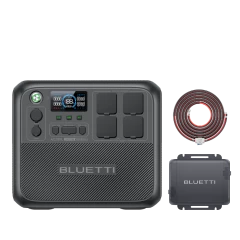
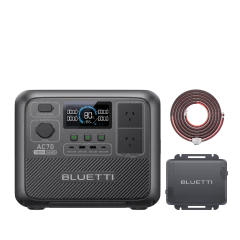
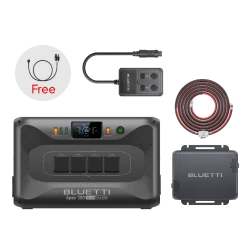
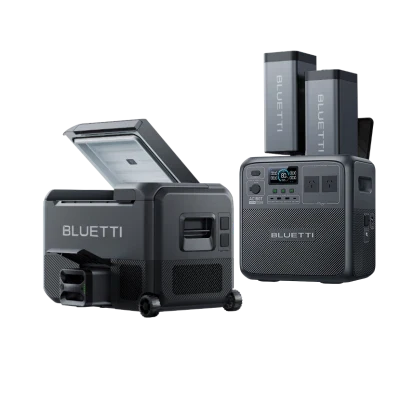
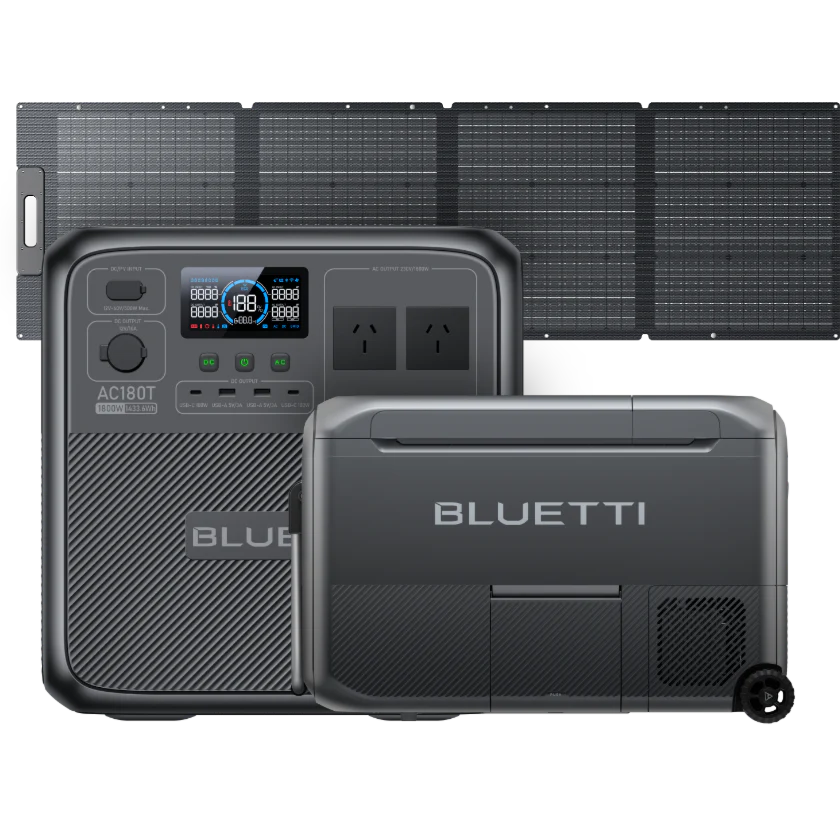
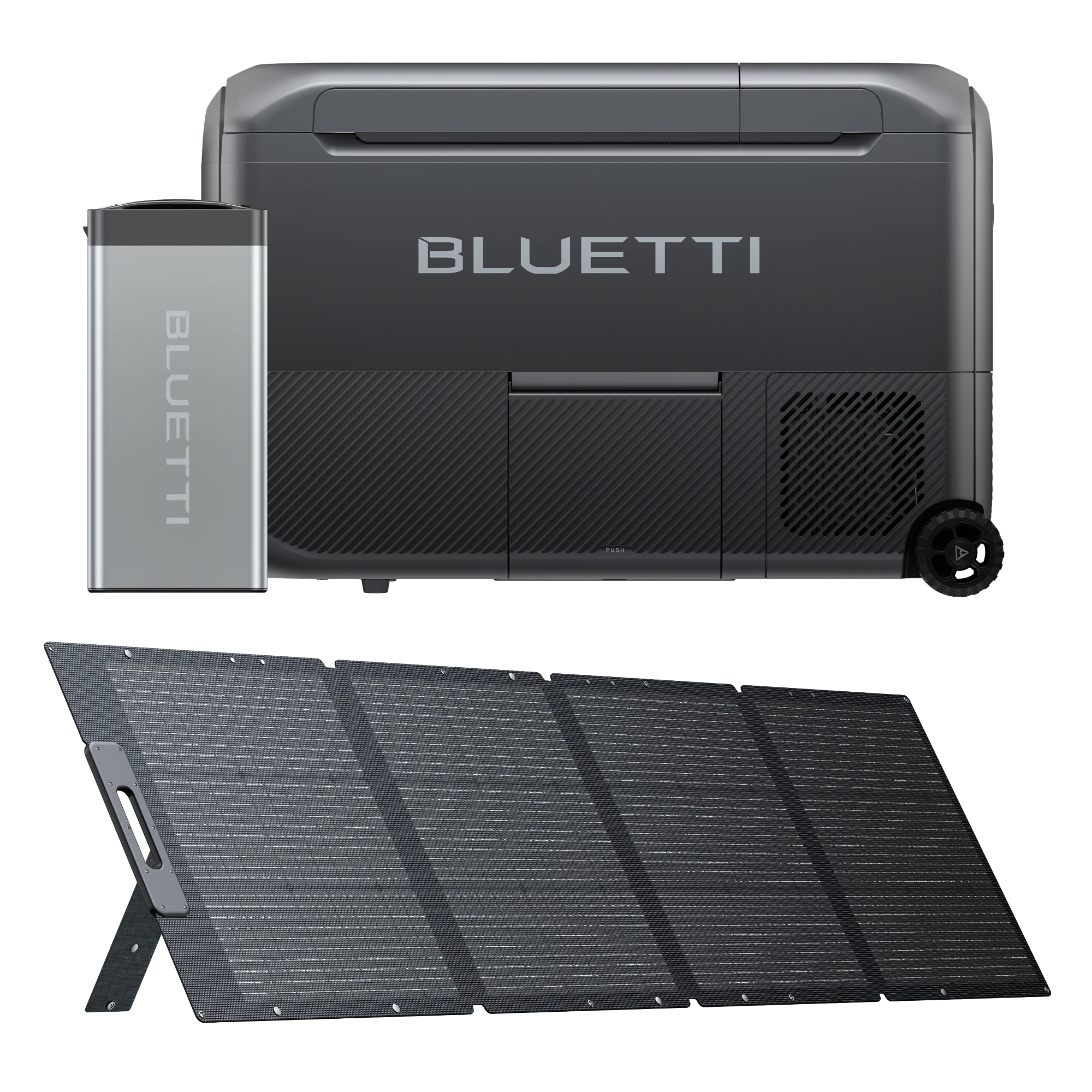
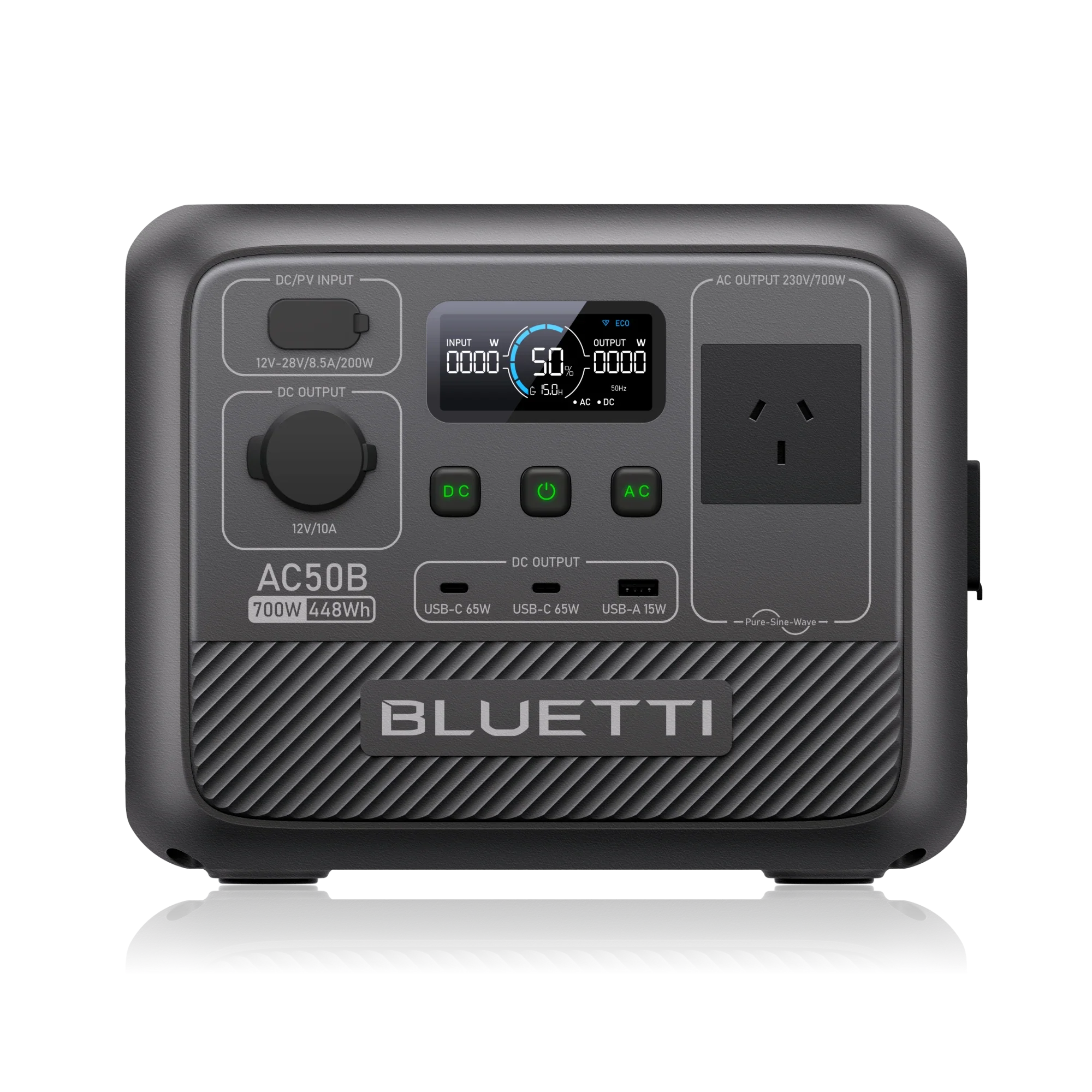
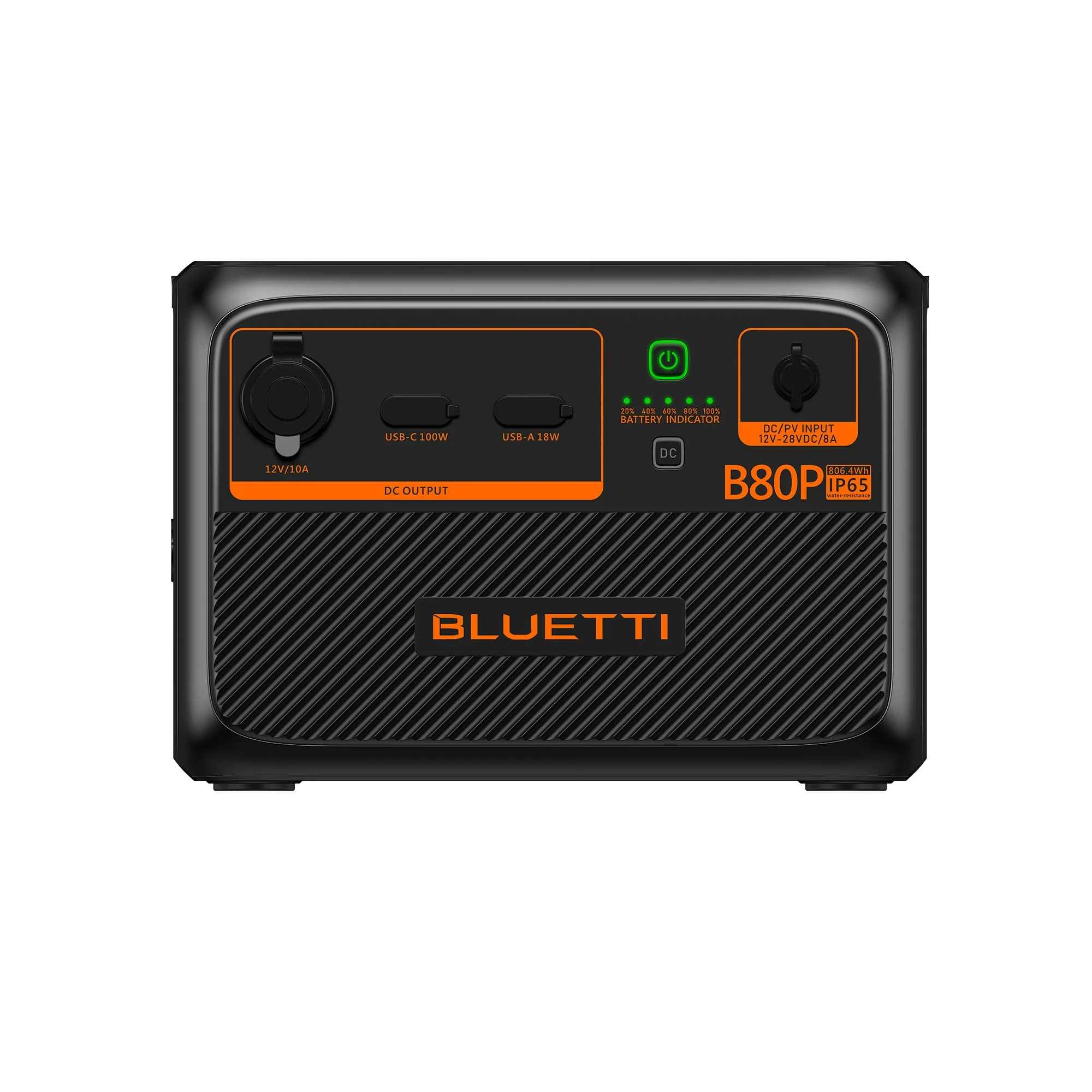
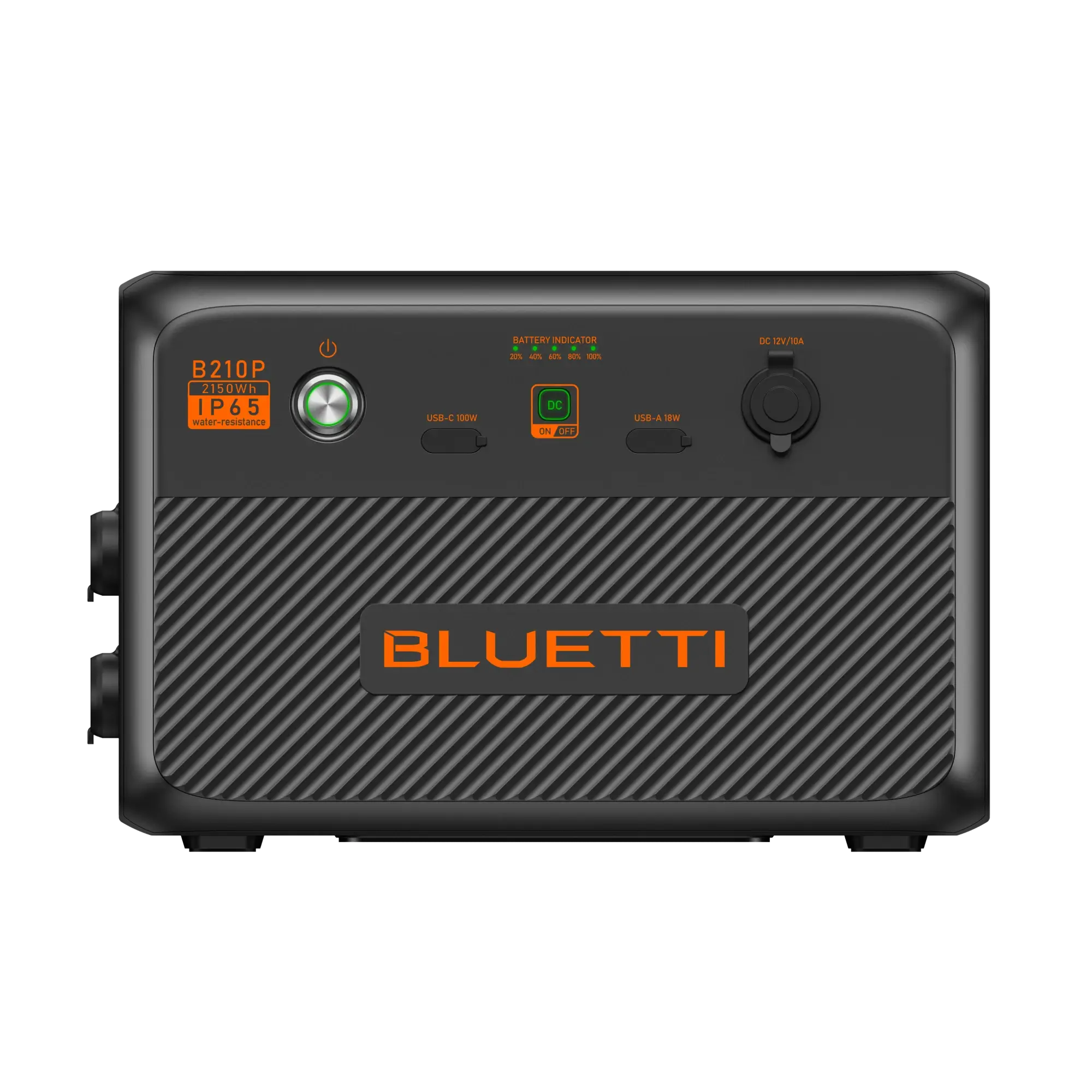
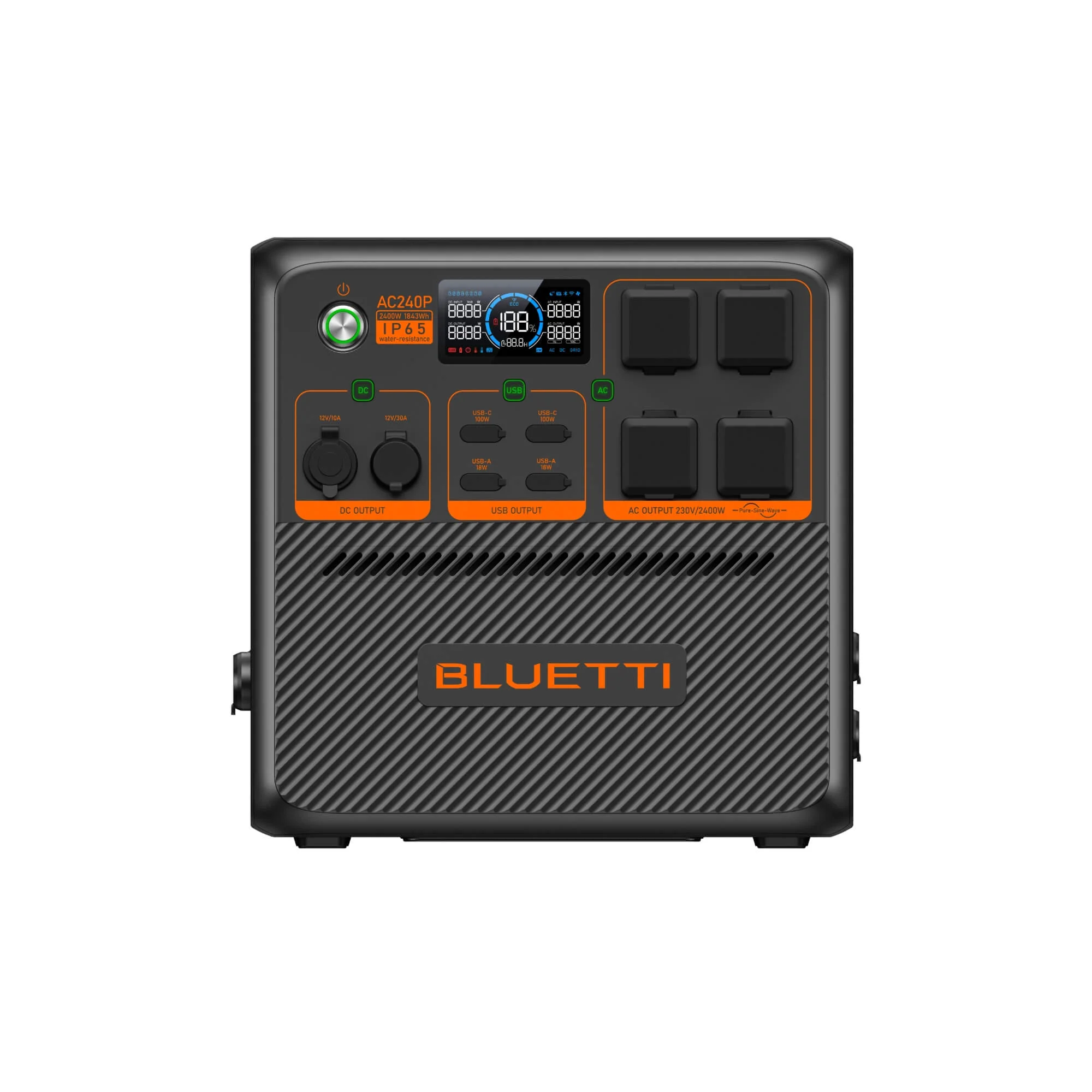
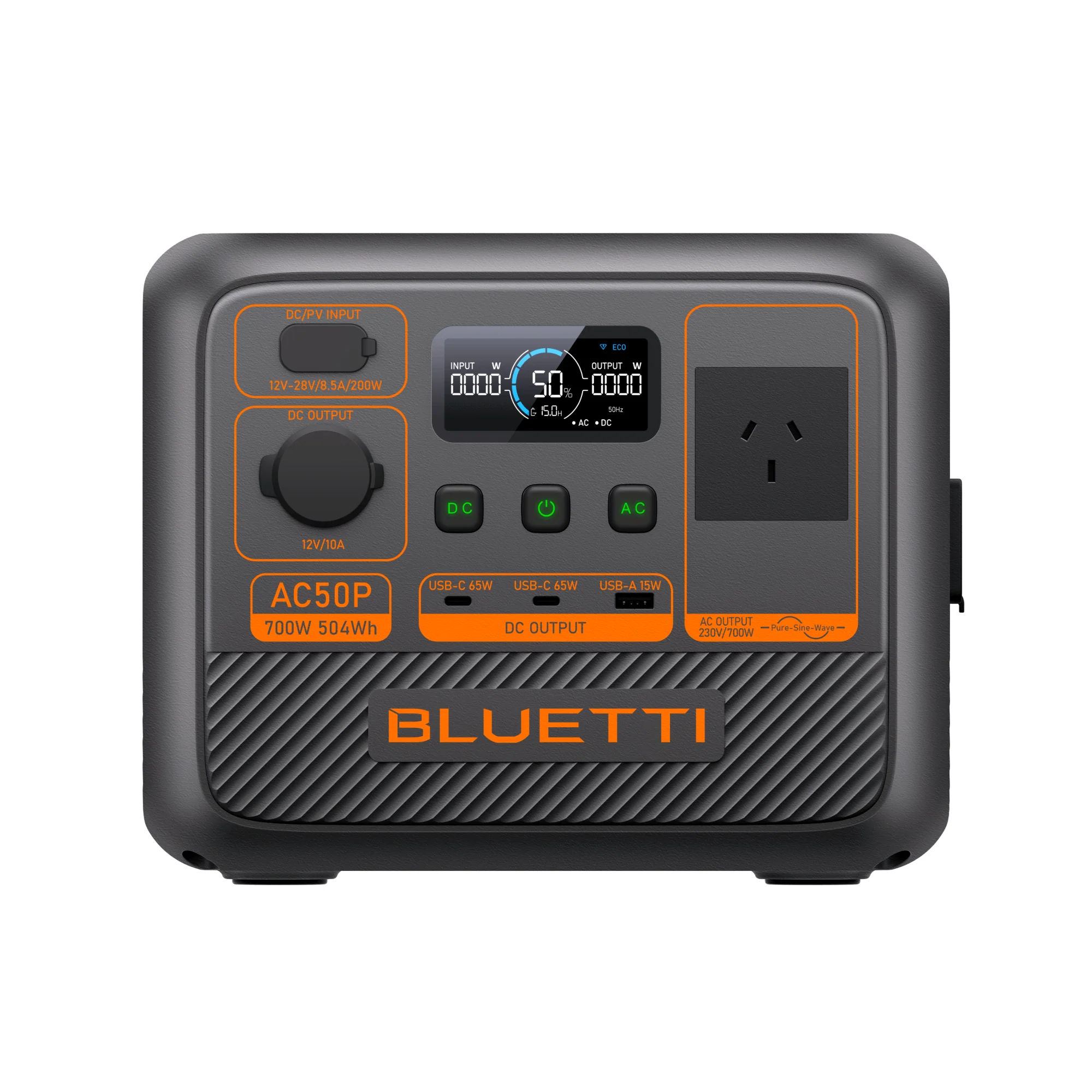
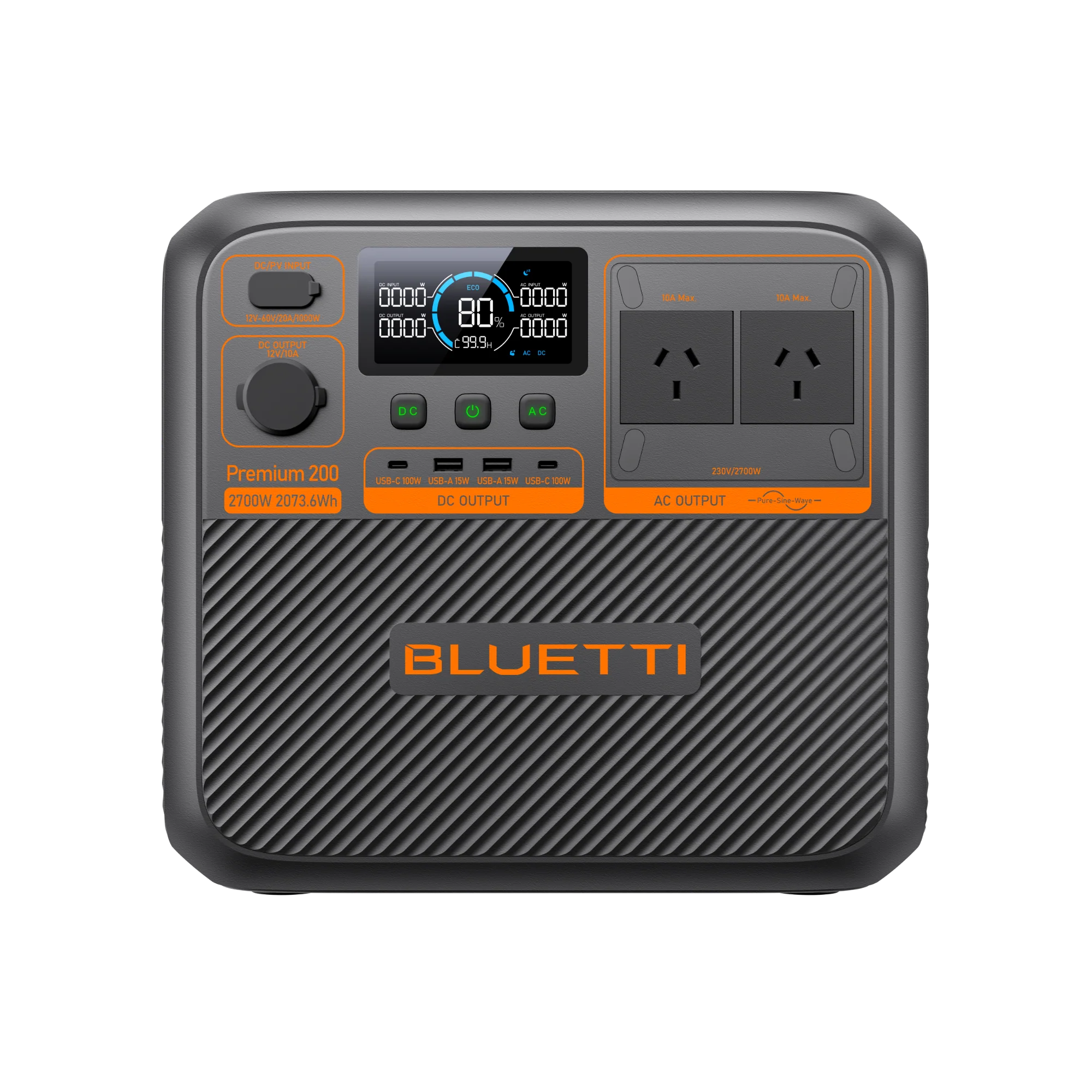
BLUETTI portable power stations provide silent, emission-free energy for coastal adventures without installation requirements.
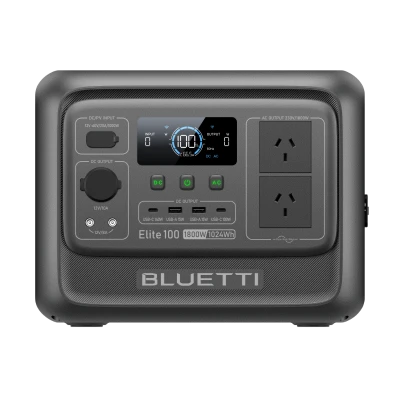
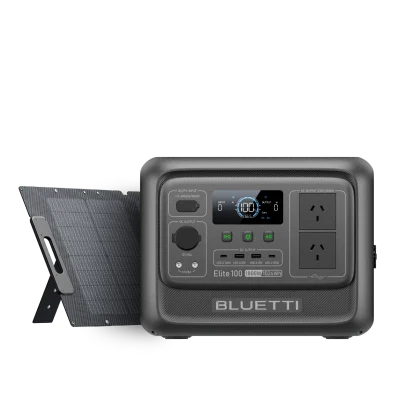
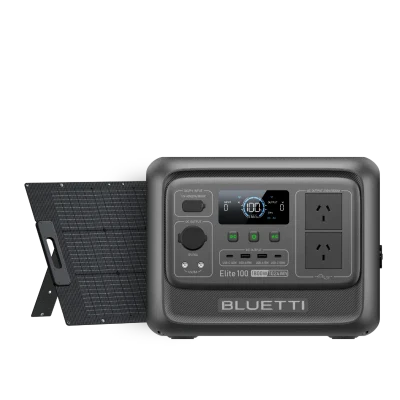
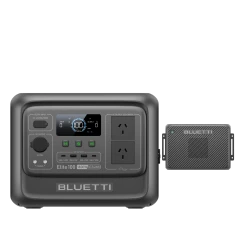
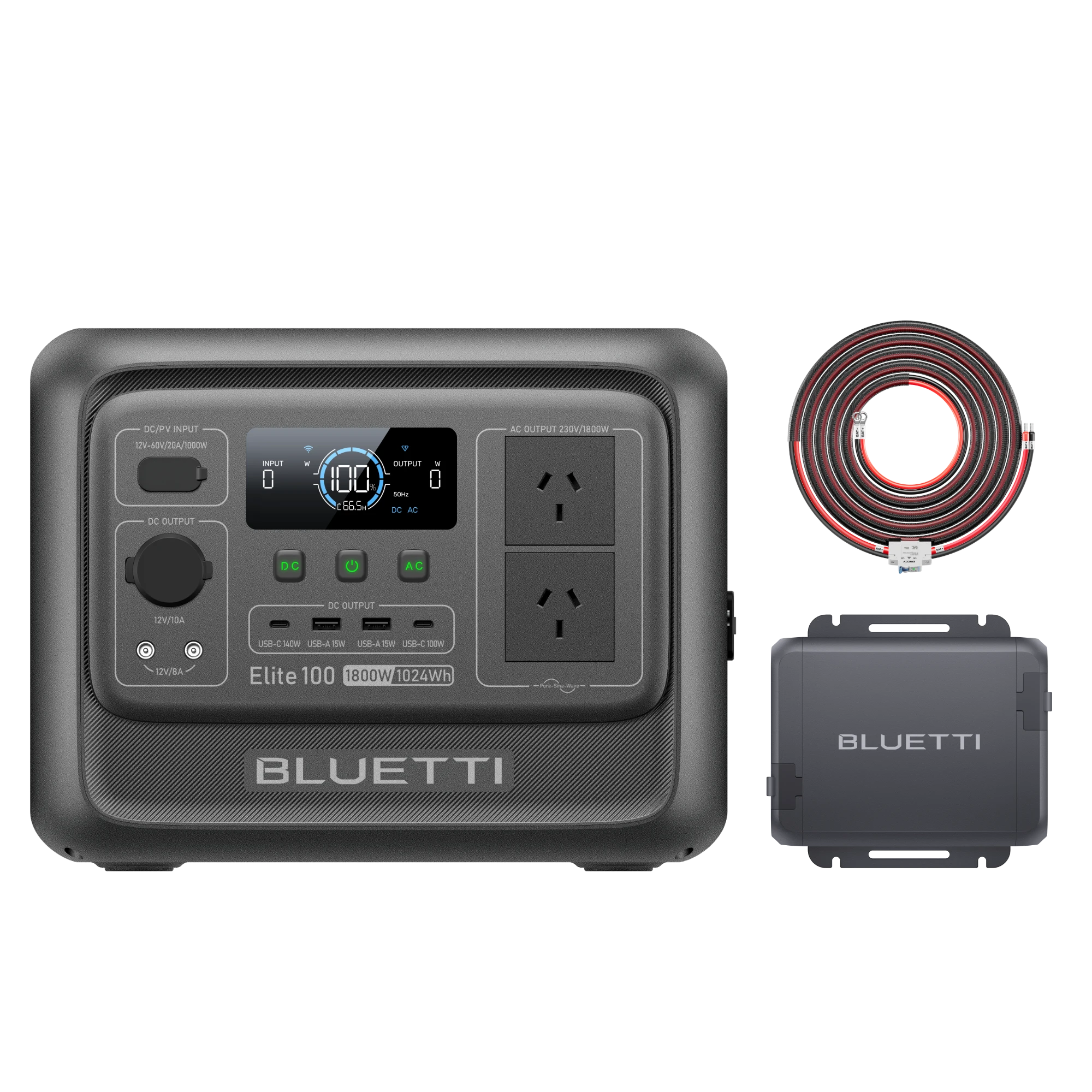
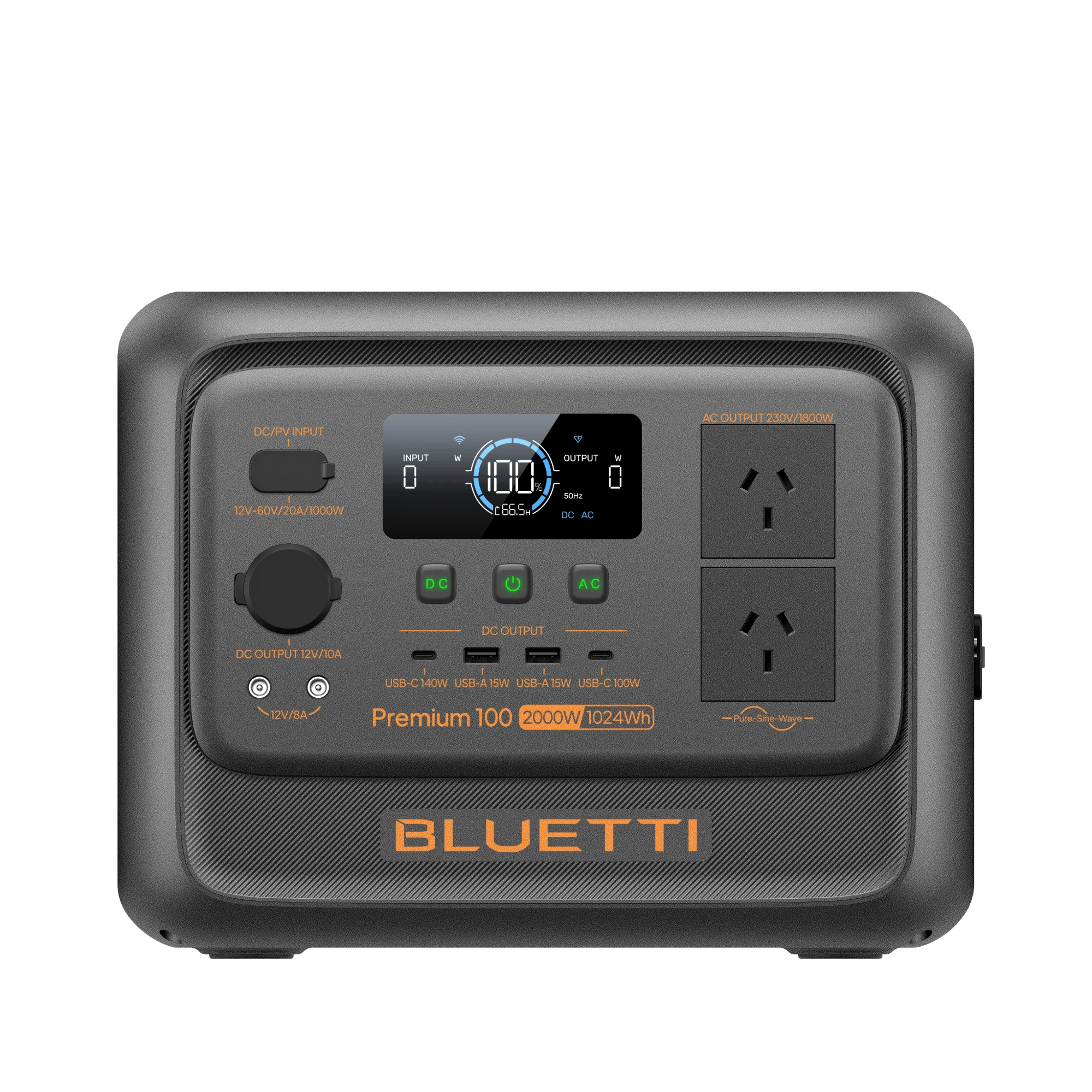
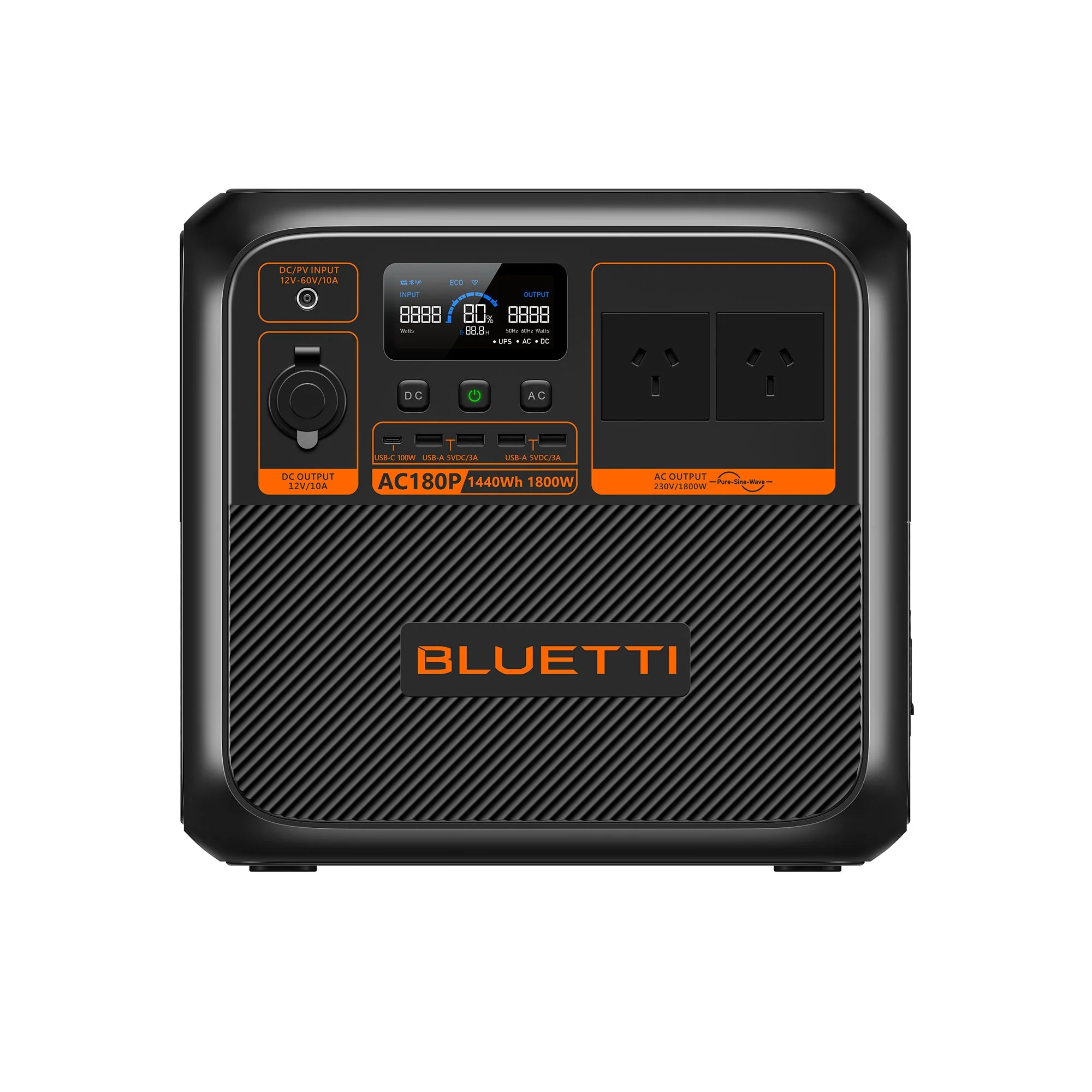
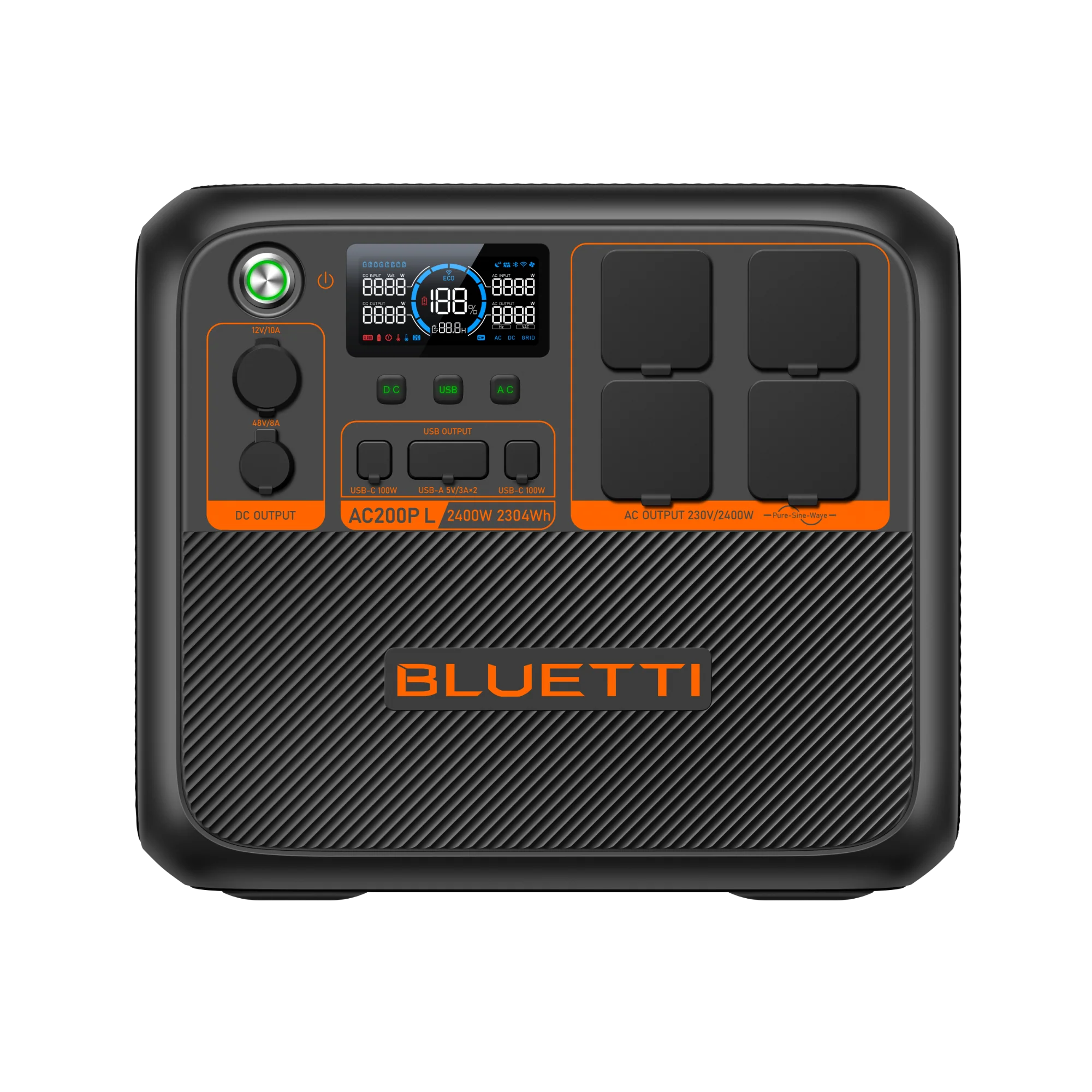
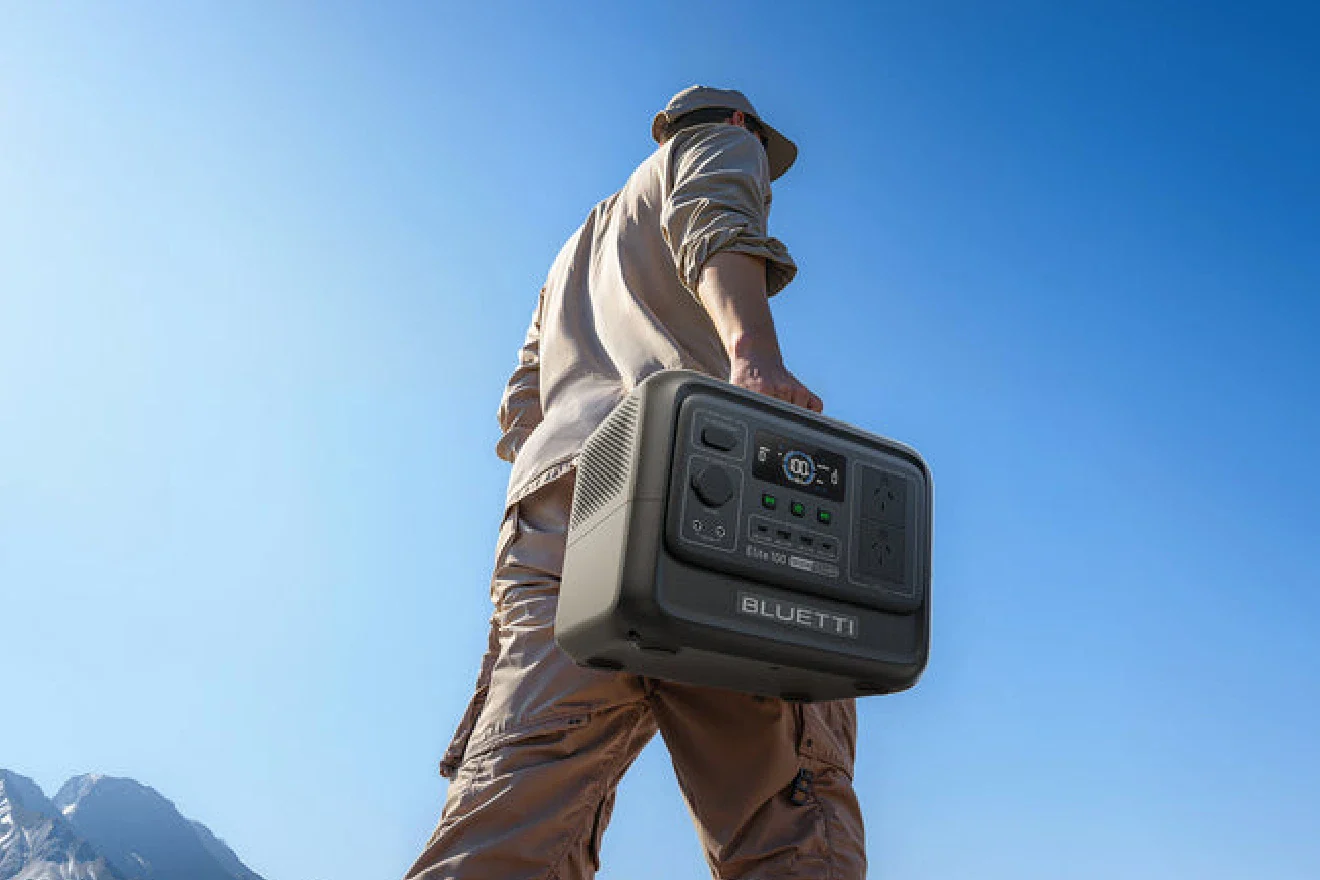
BLUETTI Elite 100 V2

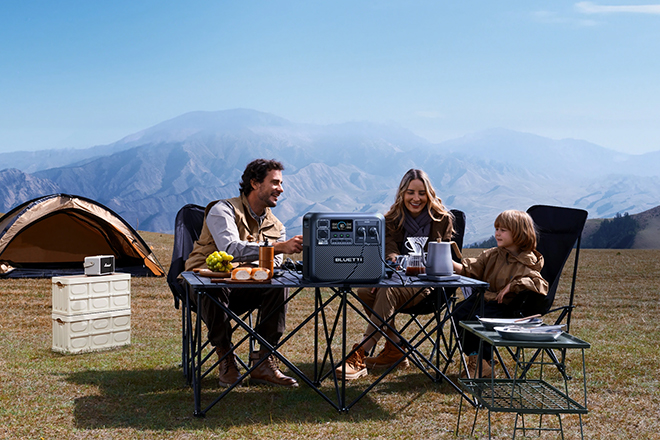
The Elite 100 V2 (1,024Wh capacity, 1,800W output) serves as a base camp power hub for Fleurieu and Yorke Peninsula trips. At 11.5kg, it transports easily in 4WD vehicles while providing substantial capacity:
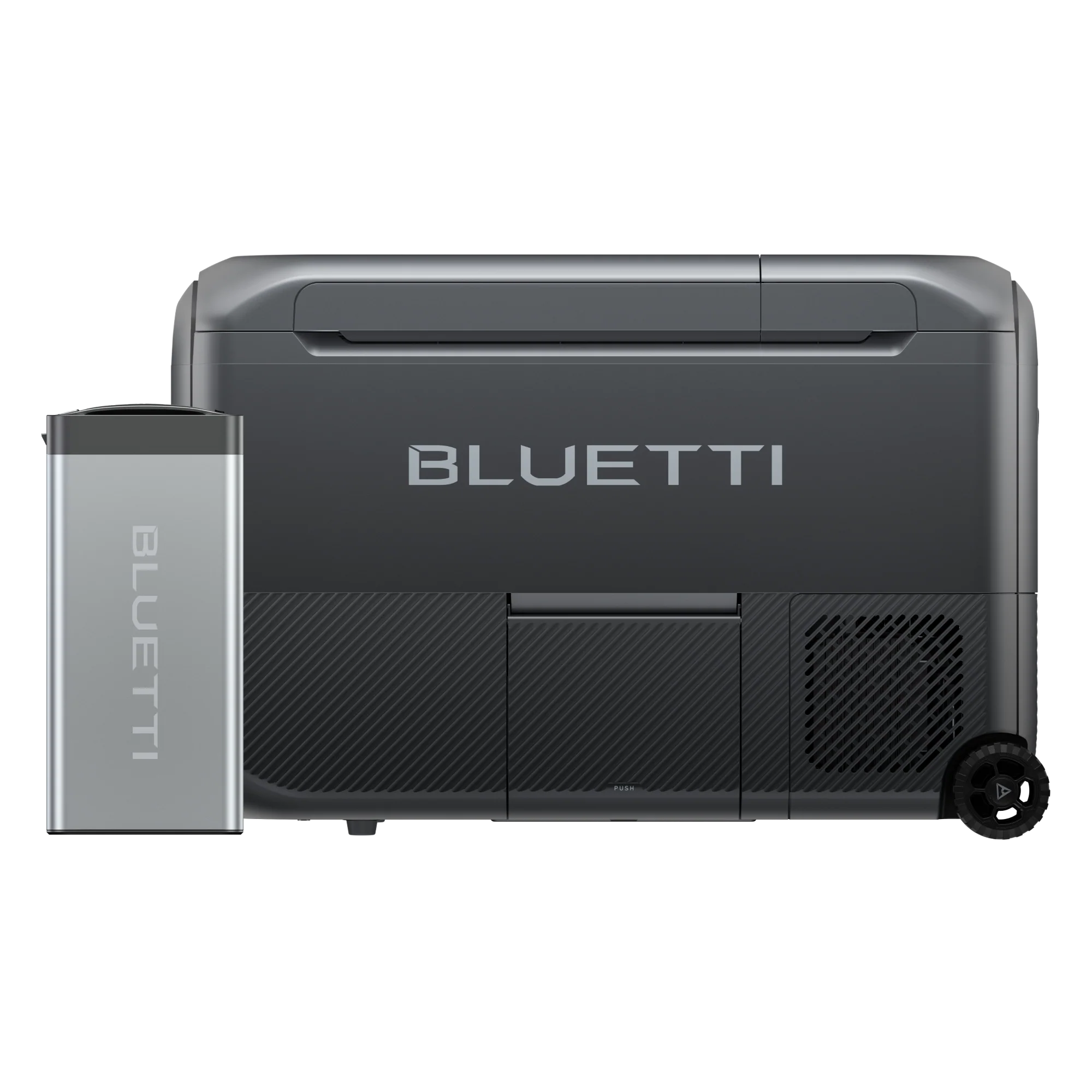
- Powers portable fridges (12V/240V) to keep fish fresh and beverages cold
- Charges drone batteries for surf footage and EPIRBs for safety
- Runs 12V fans or heated change mats for drying wetsuits in winter (critical for preventing hypothermia between sessions)
- Recharges action cameras (GoPro/Insta360) and smartphones via pure sine wave AC outlets
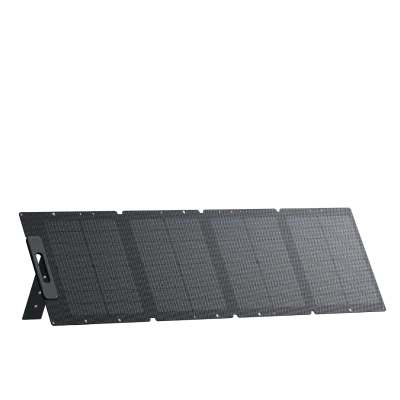
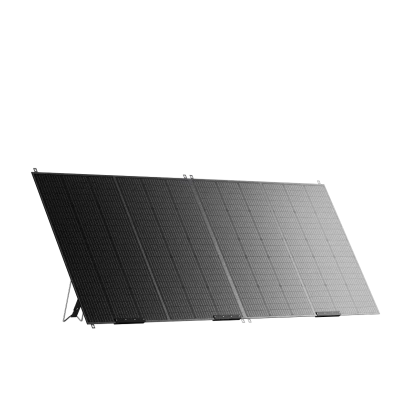
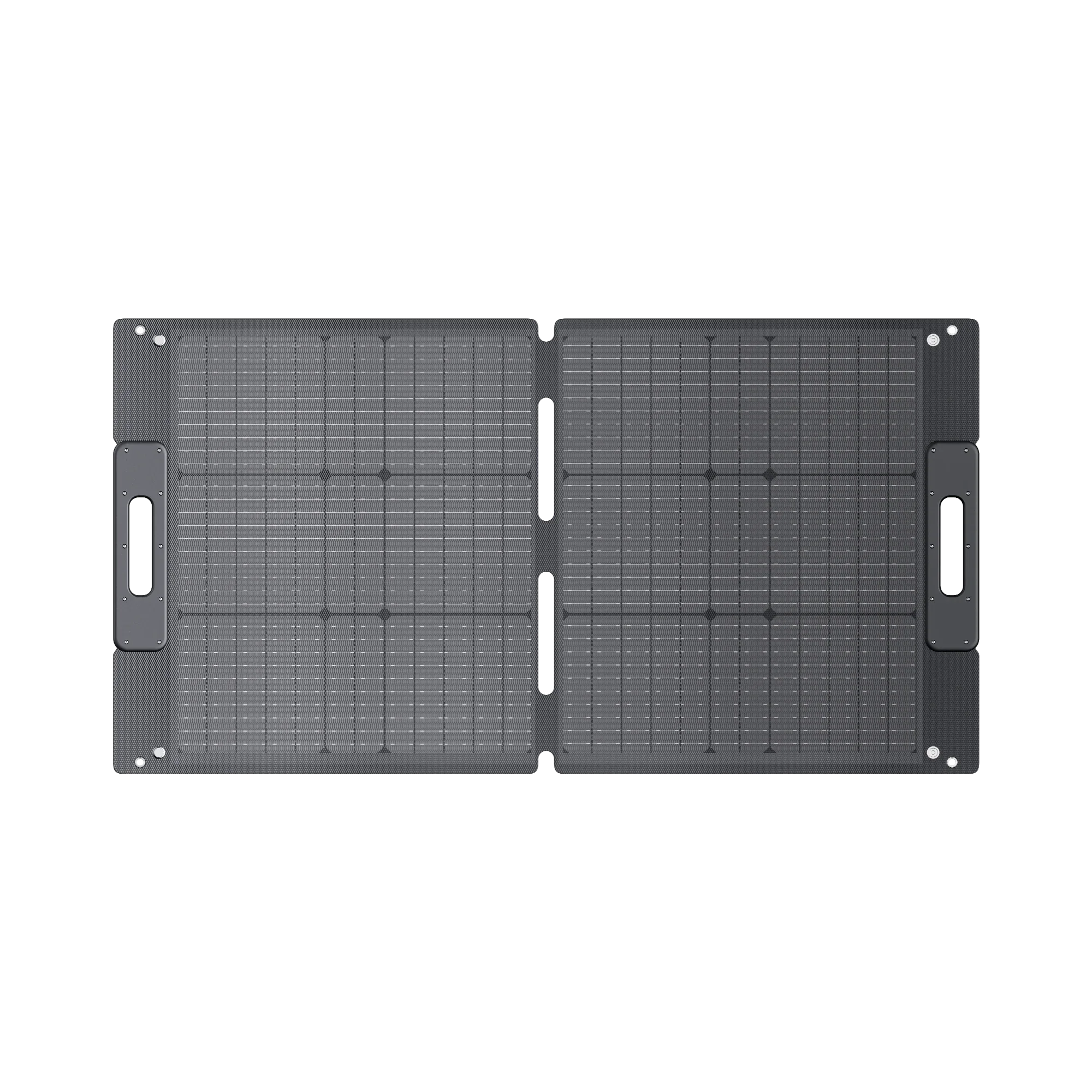
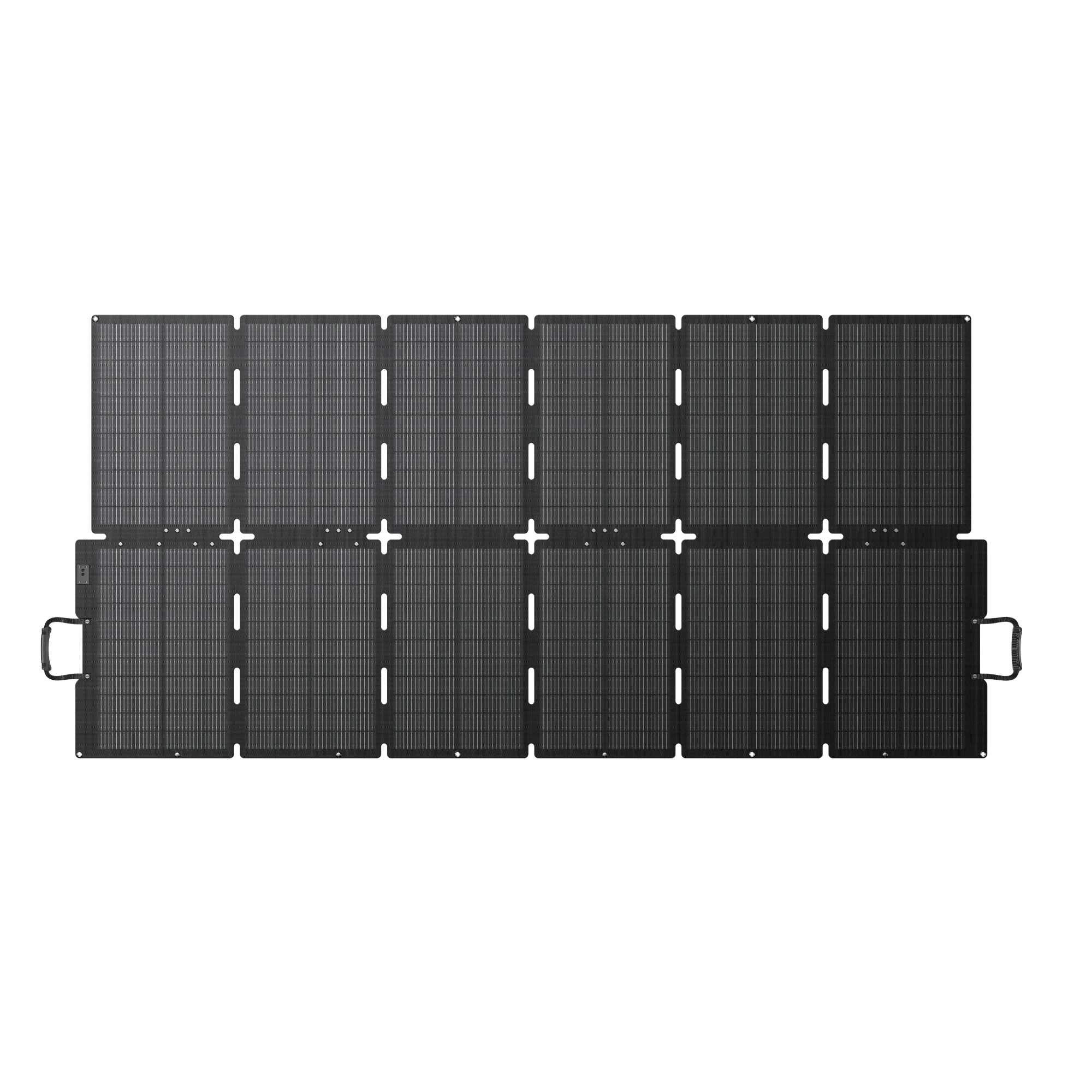
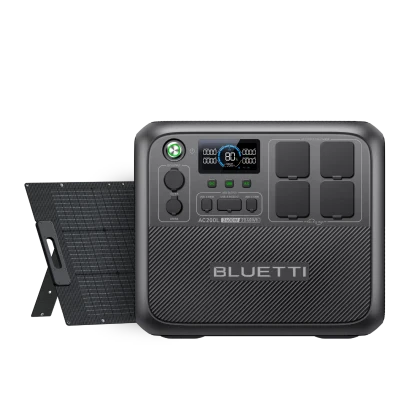
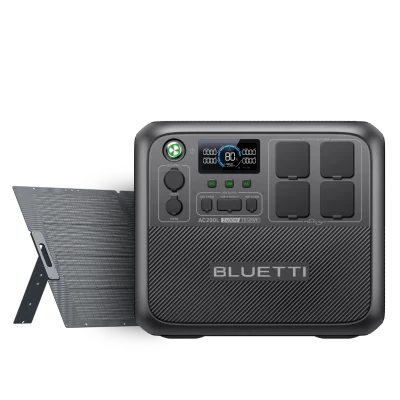
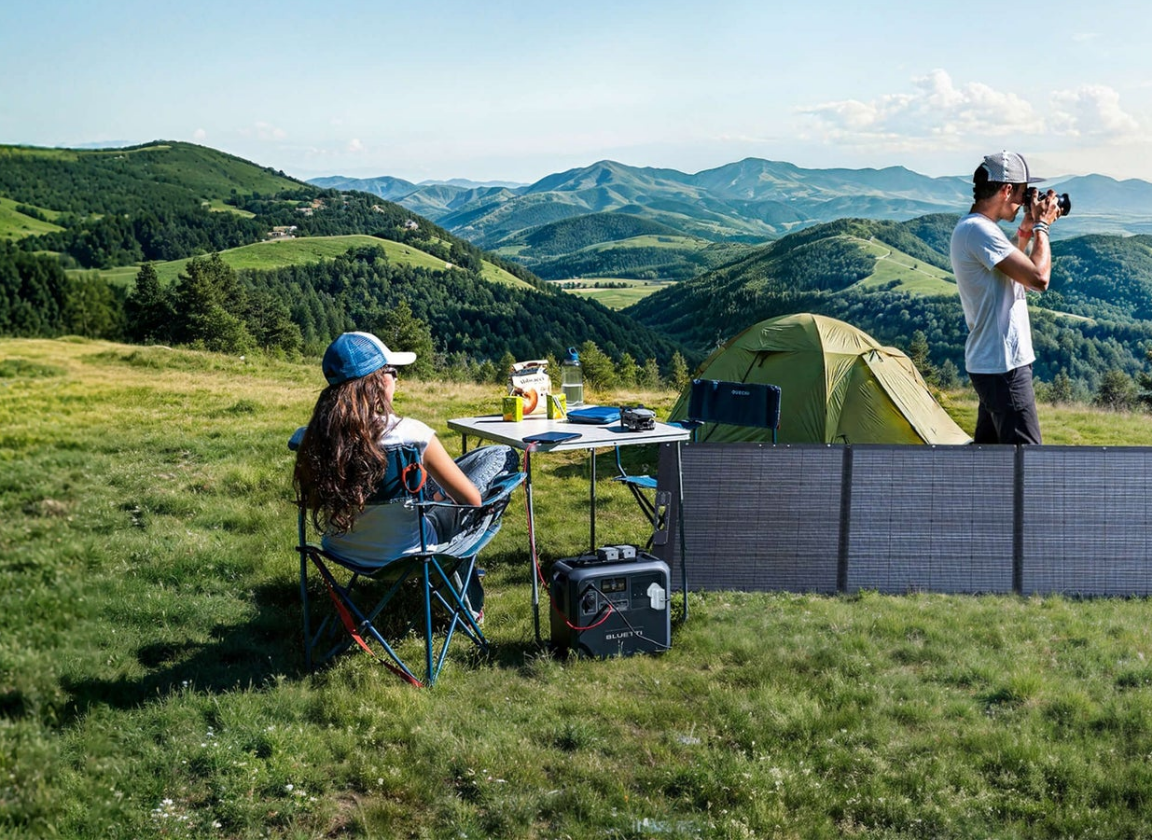
Paired with BLUETTI 200W solar panels, the Elite 100 V2 recharges during daylight hours while you surf, providing indefinite off-grid power for extended stays at remote breaks like Pondalowie.
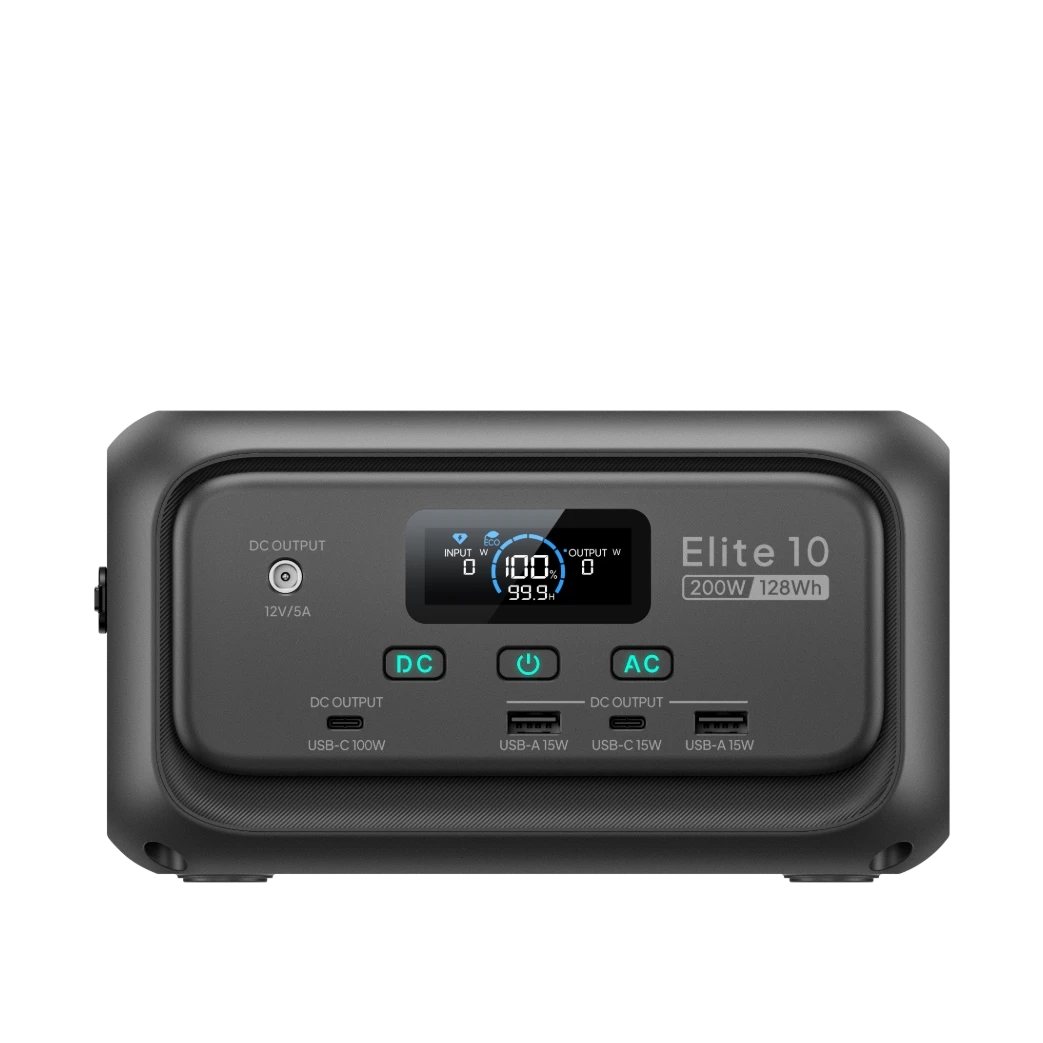
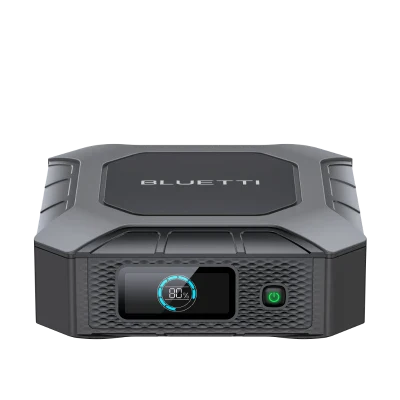
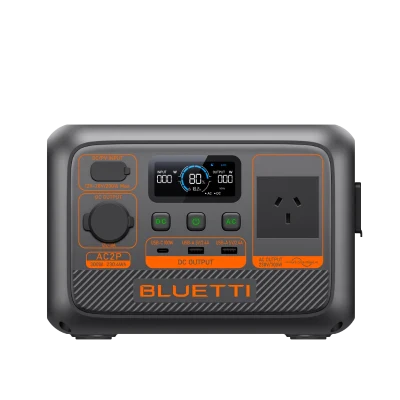
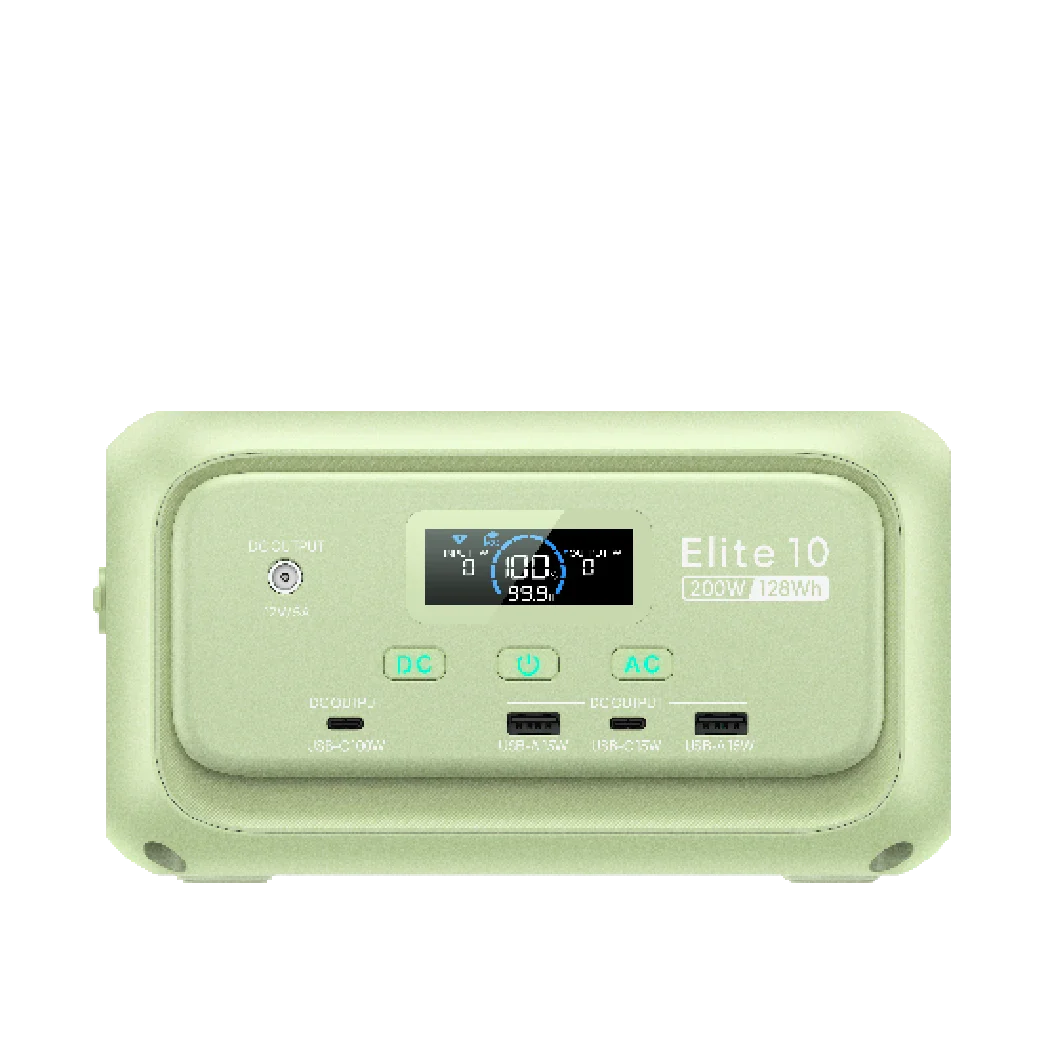
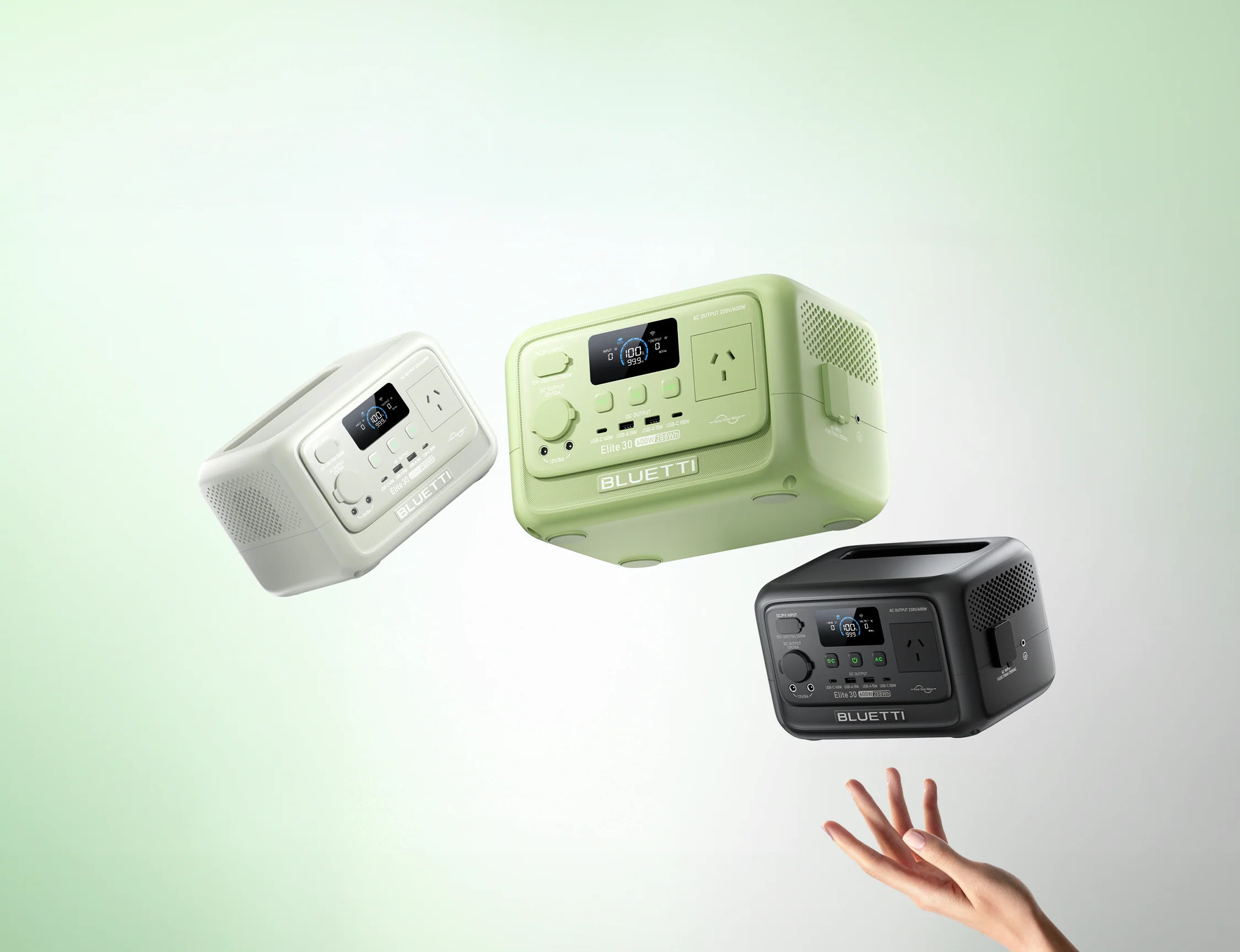
BLUETTI Elite 10 Mini
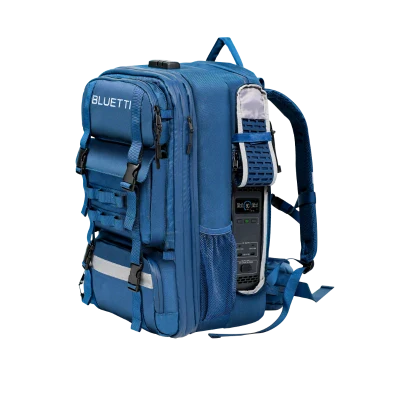
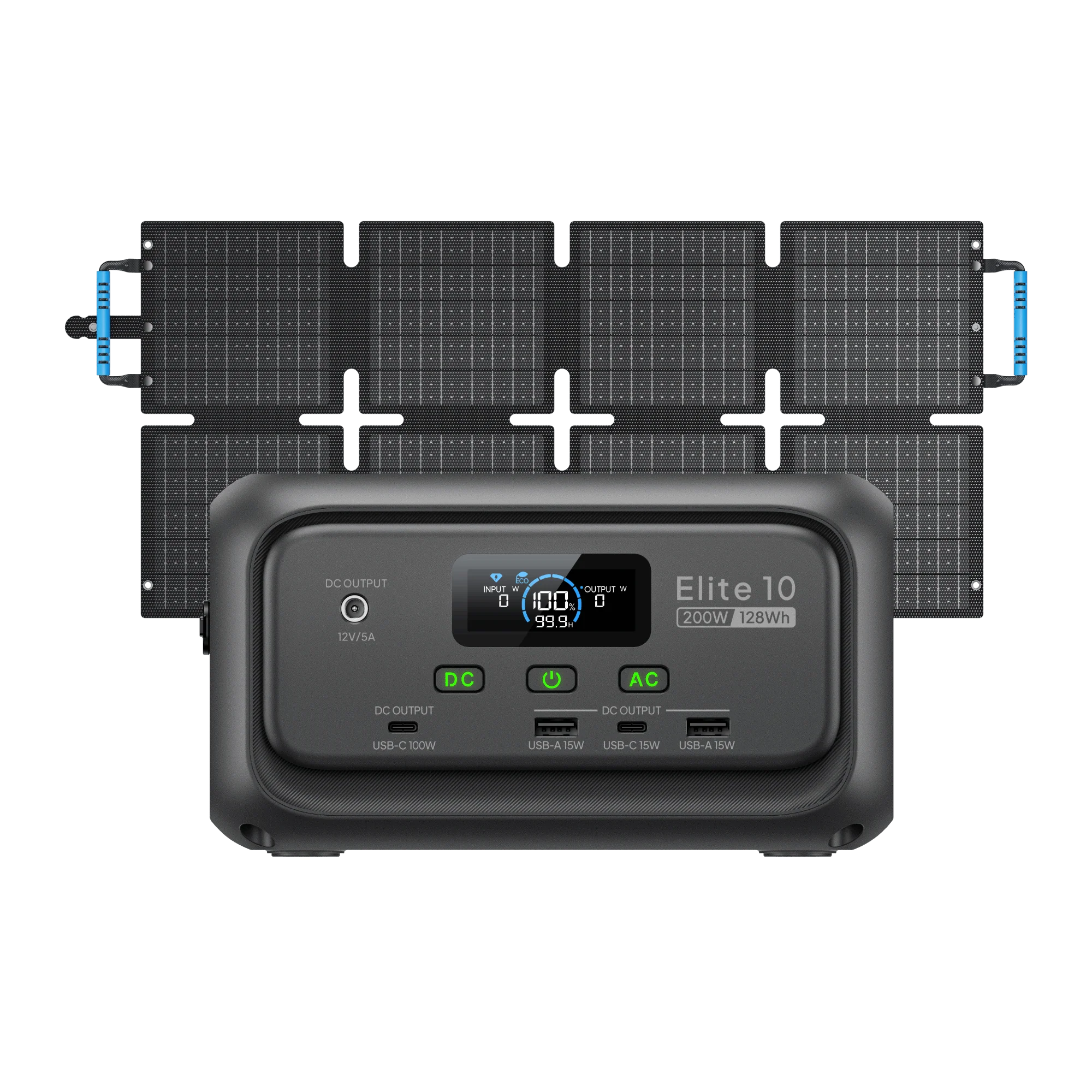
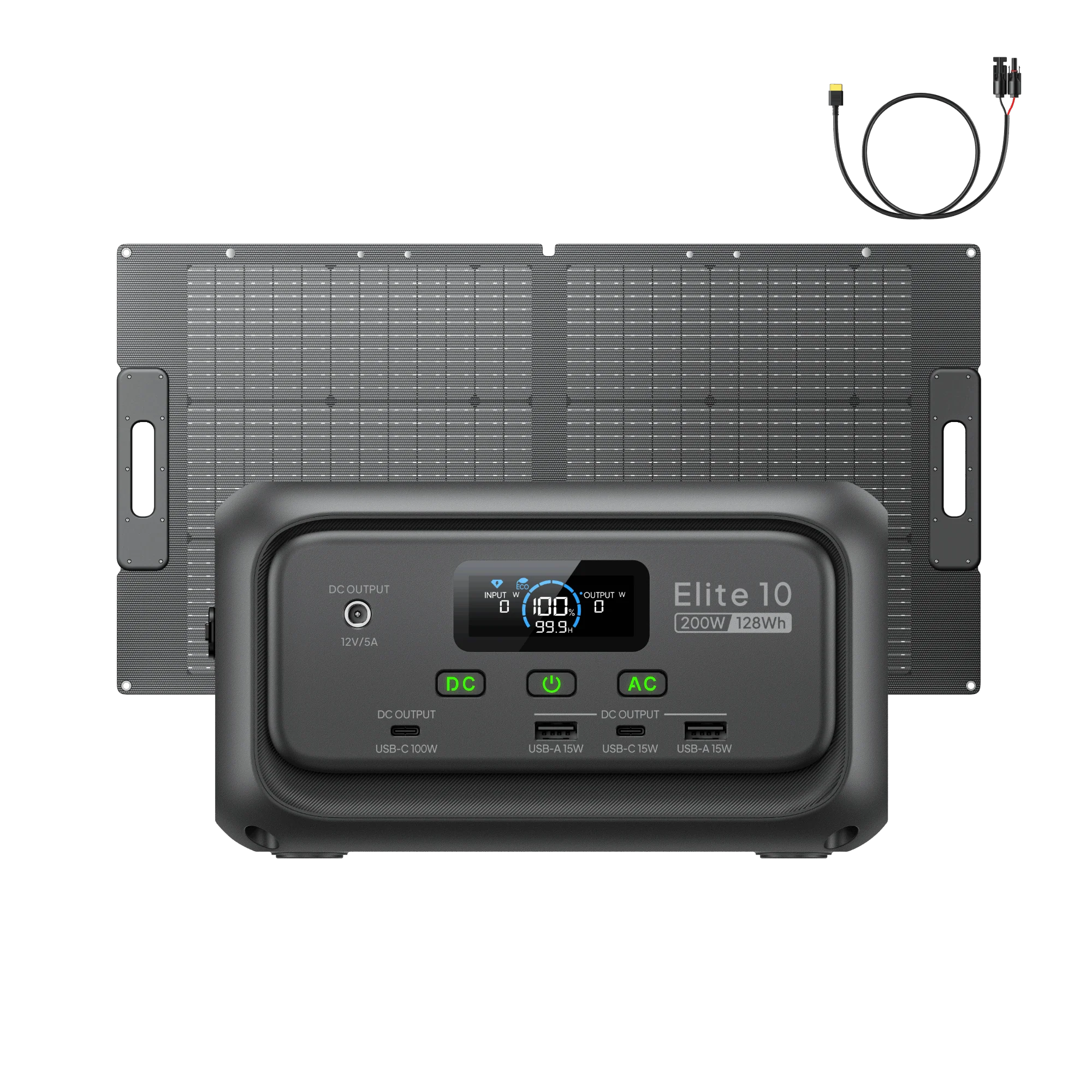
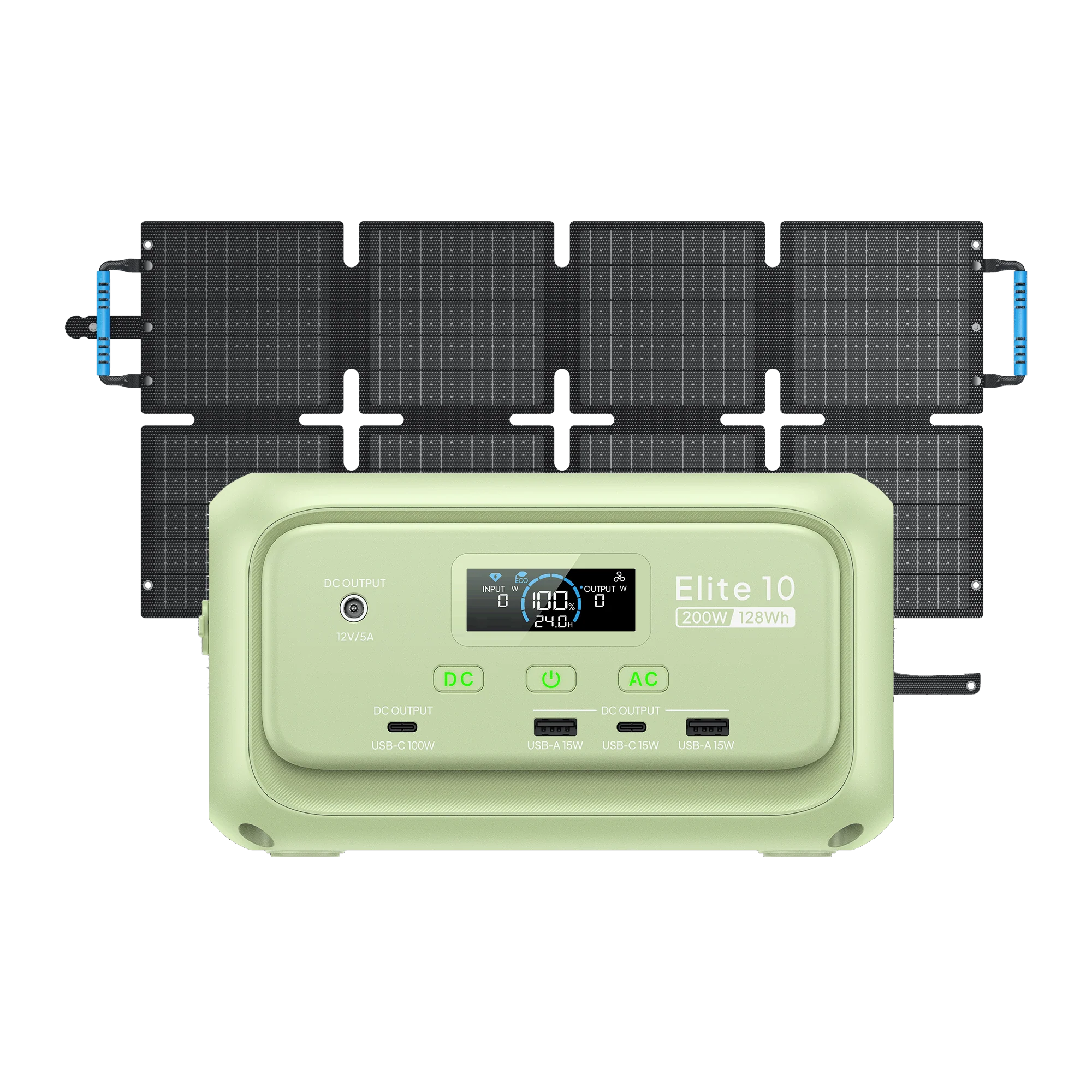
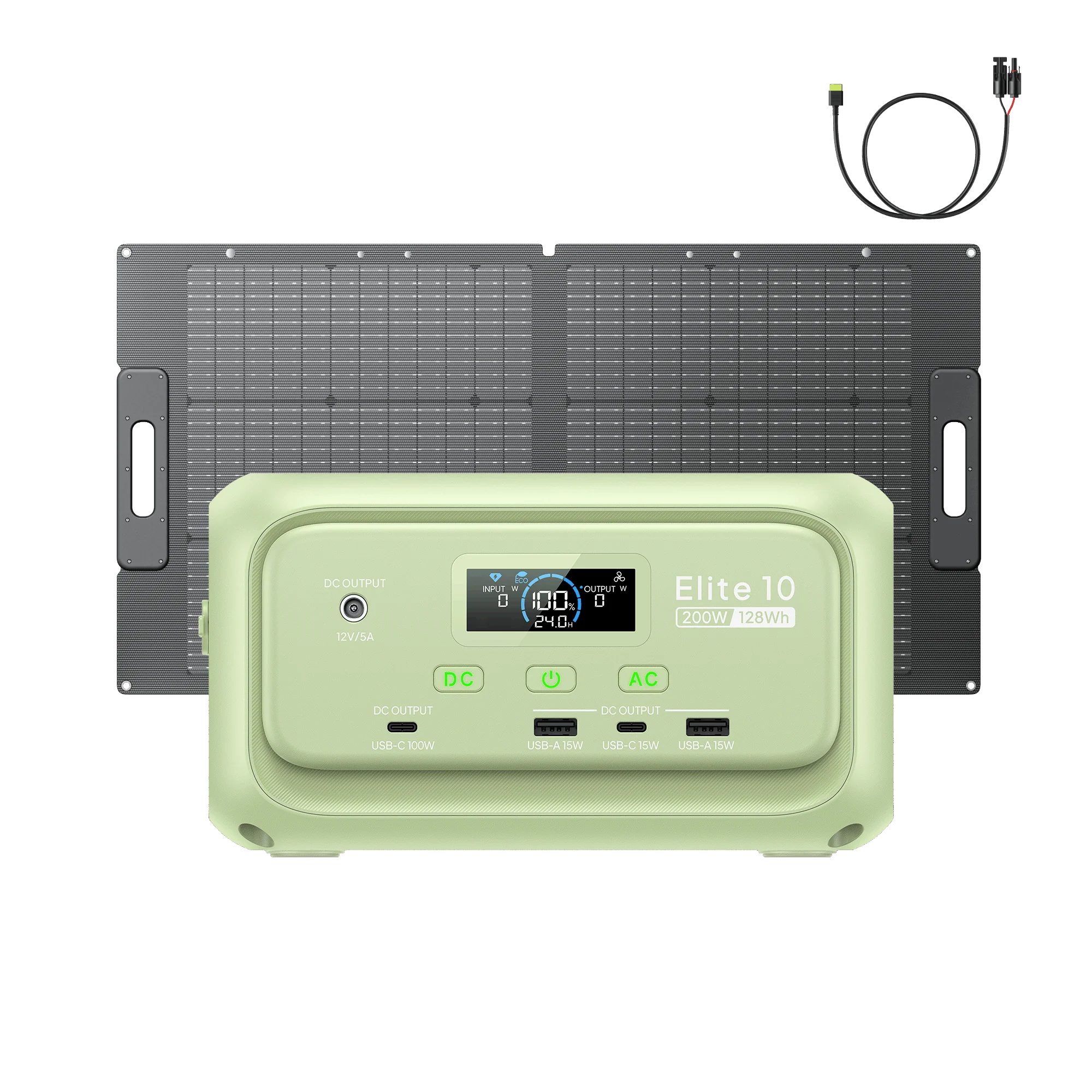
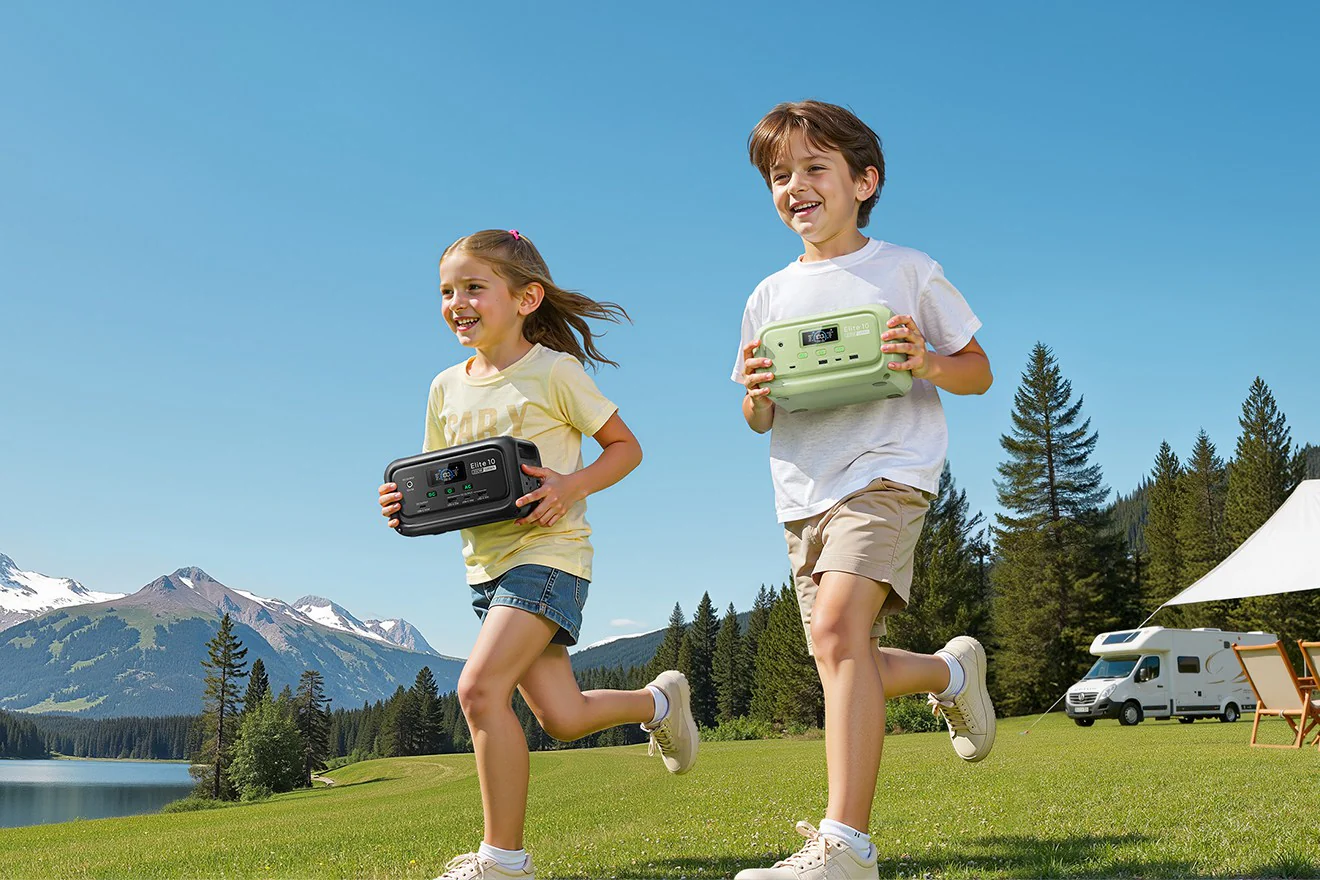
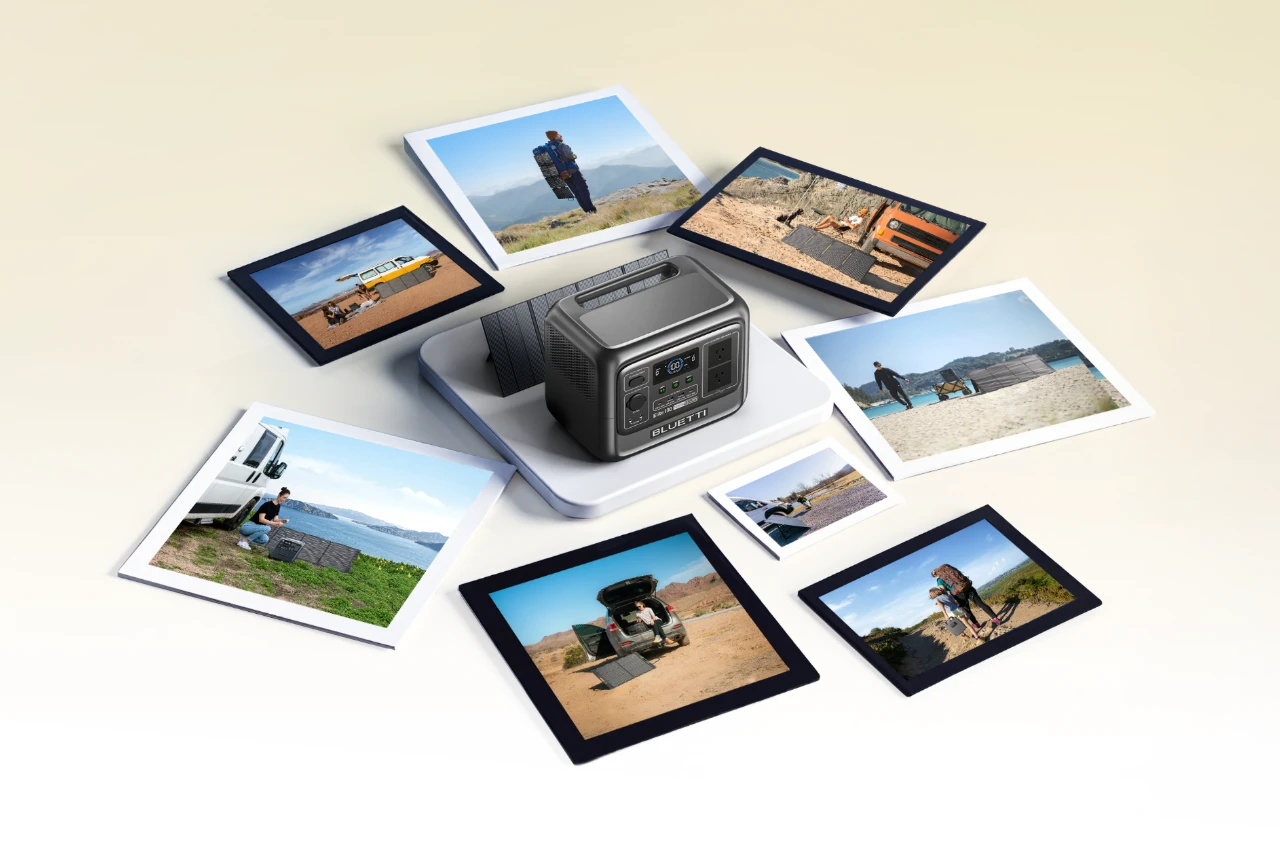
The compact Elite 10 (128Wh, 200W output) fits in board bags or backpacks for shorter missions to Middleton or Port Noarlunga:
- Recharges multiple action cameras between sessions (essential for capturing dawn patrol sessions)
- Powers Bluetooth speakers for beachside music
- Charges mobile phones and portable WiFi hotspots for checking surf cams/forecasts
- Features an LED light for early morning wax-ups or evening pack-downs
Weighing only 1.8kg, the Elite 10 suits single-day missions where portability outweighs capacity requirements.
How to Maximise Your Surf Trip and Respect the Coast
Good habits keep the waves fun and the environment pristine:
- Surf early — cleaner waves, fewer people.
- Observe before paddling out — only take off on safe waves.
- Follow surf etiquette — give way, take turns, share waves.
- Support local — visit beach cafes or towns after your session.
- Leave No Trace — pack out all rubbish, stick to marked paths, respect dunes/plants/wildlife. Many areas are in conservation or national parks.
- Stay safe — surf patrolled beaches when possible; in remote spots, take extra precautions.
Why You Should Surf Adelaide

Adelaide's surf scene is quieter and less crowded than the East Coast—part of its charm. You get soft metro beach breaks for learning or relaxing, varied reef and point breaks on Fleurieu, and raw, uncrowded adventure on Yorke. With smart planning, the right gear, respect for the coast, and reliable power, you'll create unforgettable memories.
Grab a BLUETTI portable power station and stay charged wherever the waves take you.
FAQs
When's the best time of year to surf around Adelaide?
Autumn through spring (March–October) brings the most consistent swell, with winter storms delivering the biggest waves. Summer is usually smaller and beginner-friendly—but surprise swells can still hit. Always check forecasts.
What wetsuit works there?
Summer: 2 mm or 3/2 mm. Autumn/Spring: 3/2 mm or 4/3 mm. Winter: 4/3 mm steamer with booties, hood, and gloves on cold days.
Do new surfers get easy waves?
Yes—Henley, Grange, Brighton, Glenelg, and Semaphore offer soft, sandy beach breaks when swell arrives—great for learners.
What distance will you go to get stronger surf?
Fleurieu is an easy 45–90 minute drive south. For remote, powerful breaks, expect 2.5–4 hours to Yorke (longer on rough tracks).
What hazards to watch for?
Strong rips on reefs and after storms, rocky/reef bottoms that can cause injury, shifting currents, and occasional shark sightings on south-facing reefs. Surf patrolled spots when possible, never surf alone in remote areas, and check conditions/alerts.


