


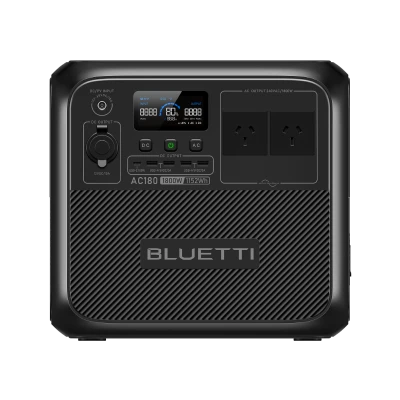
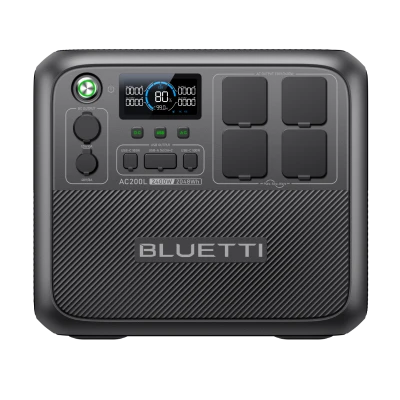
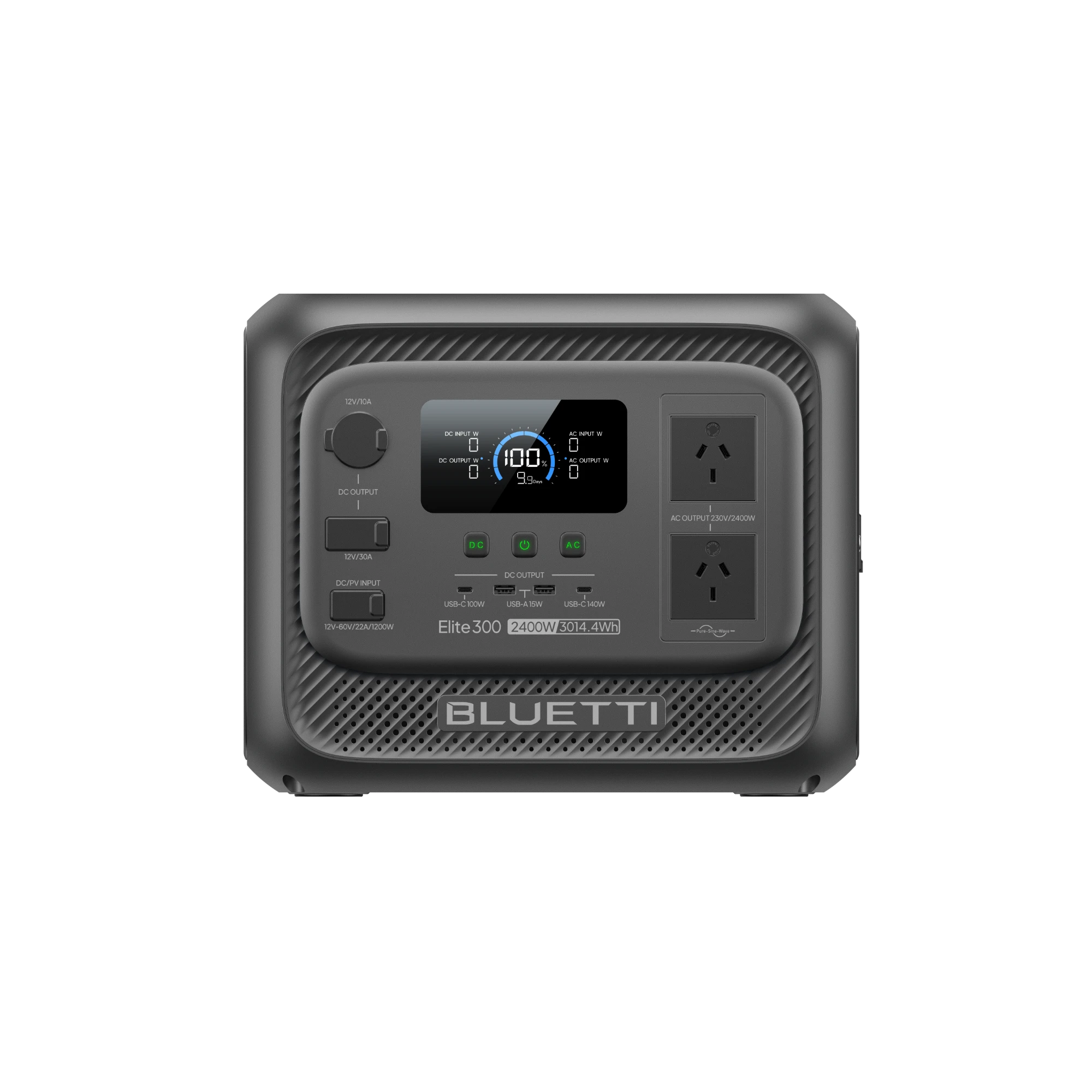
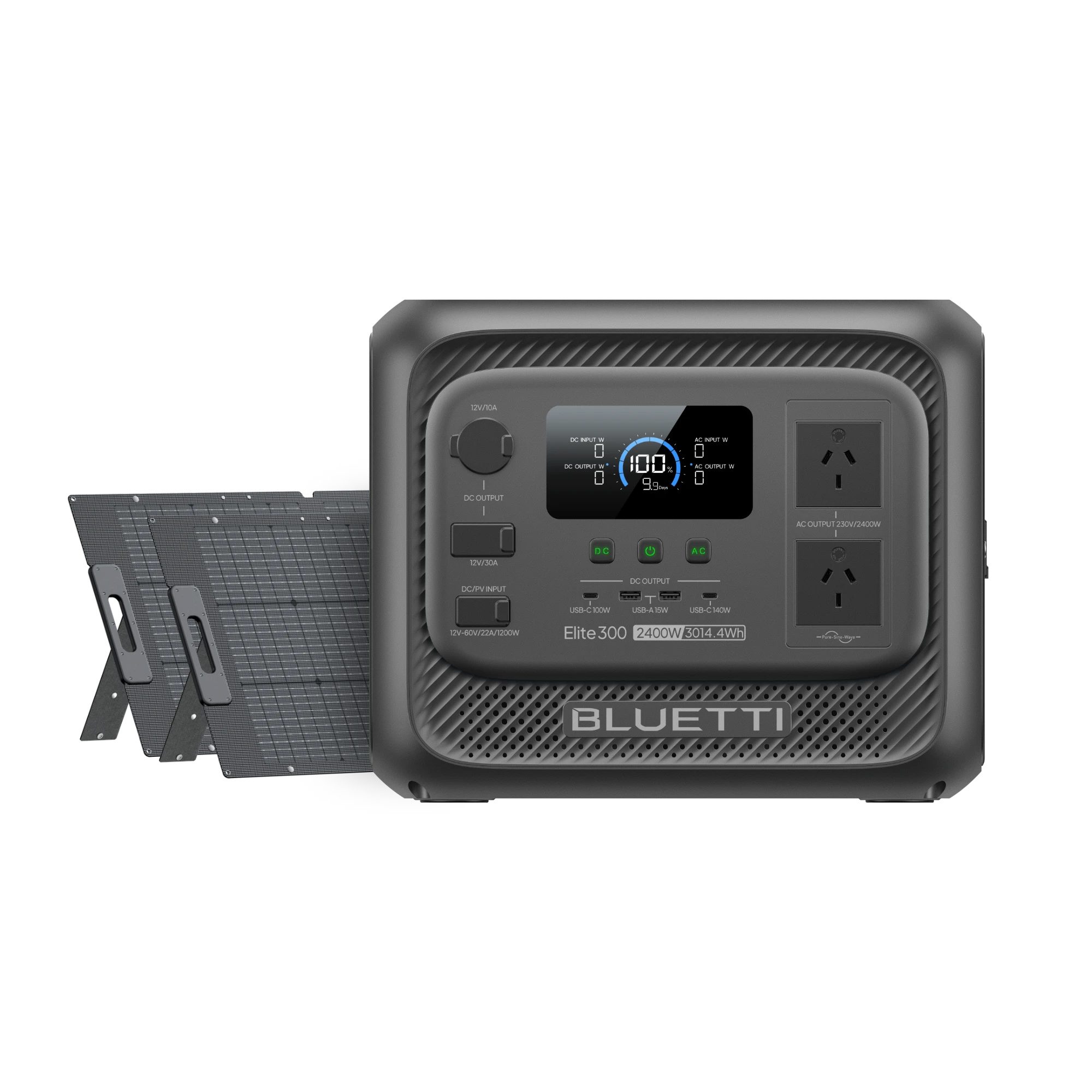


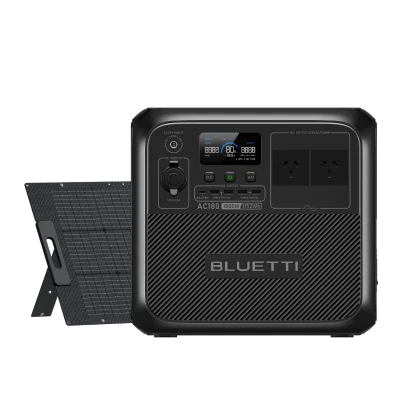



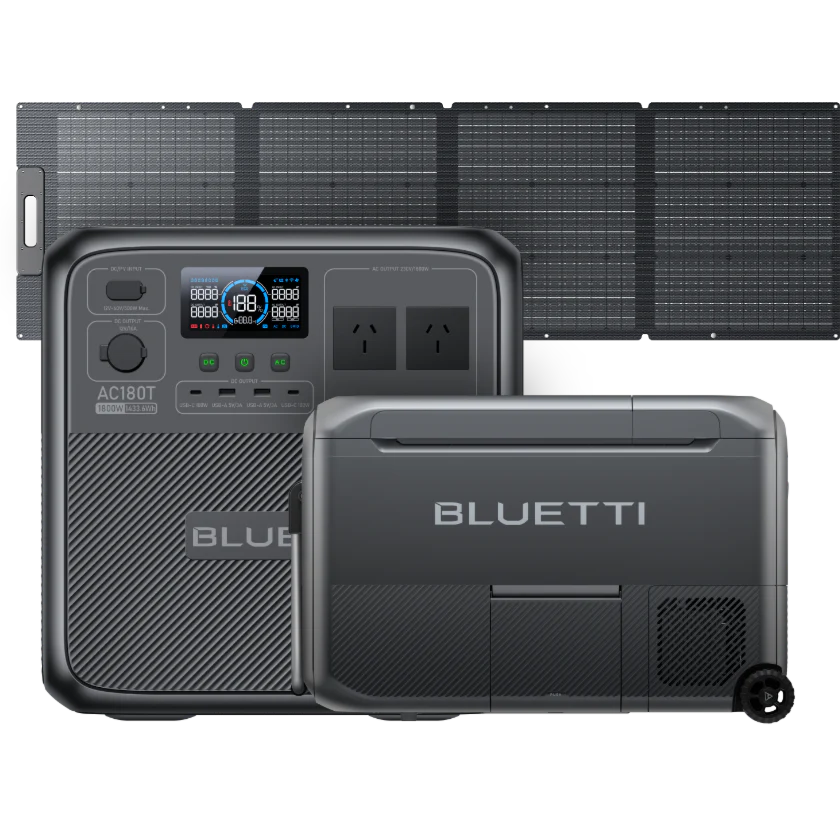
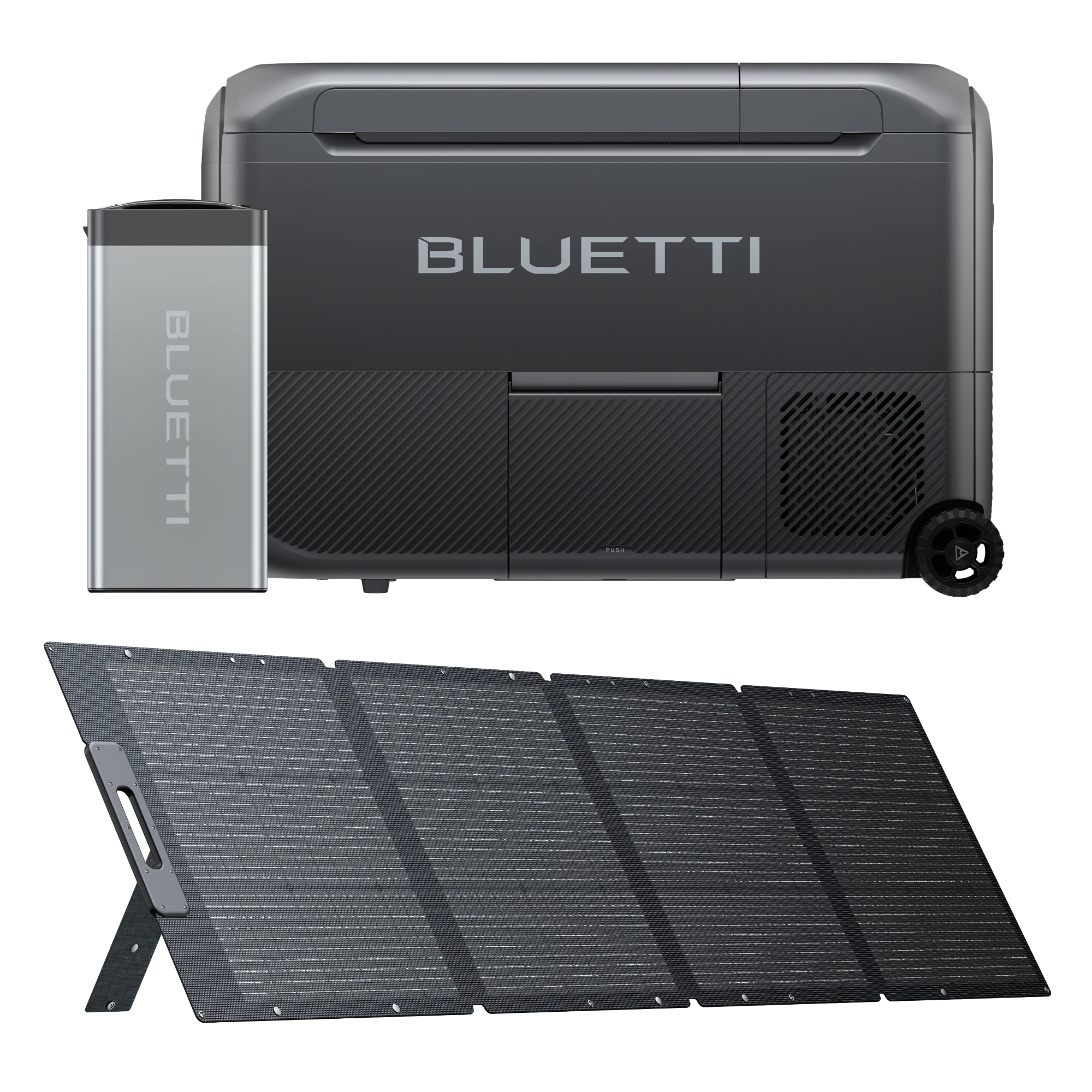
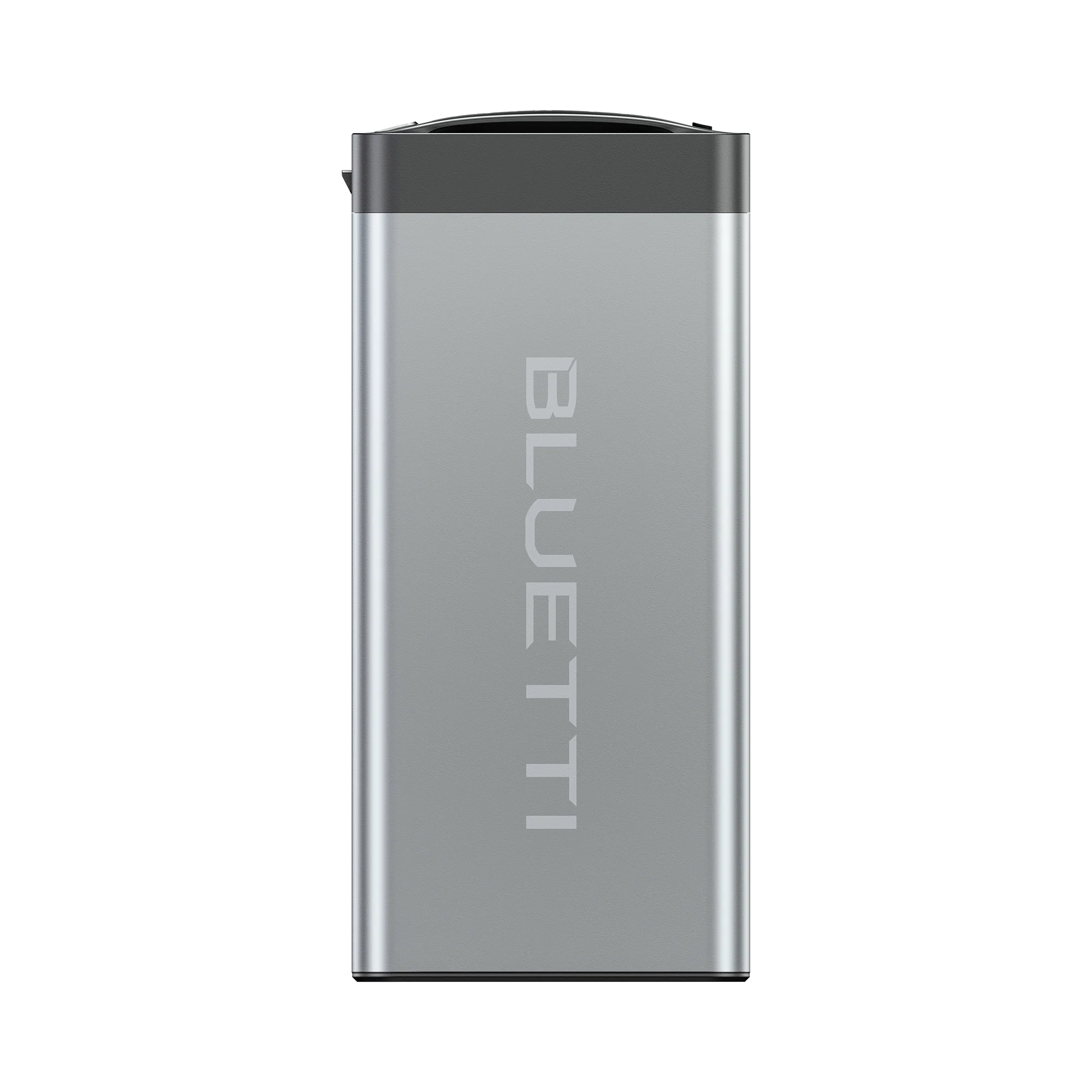
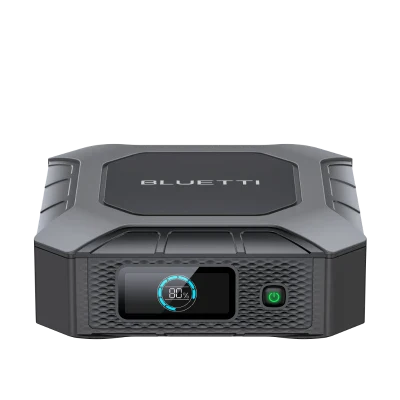







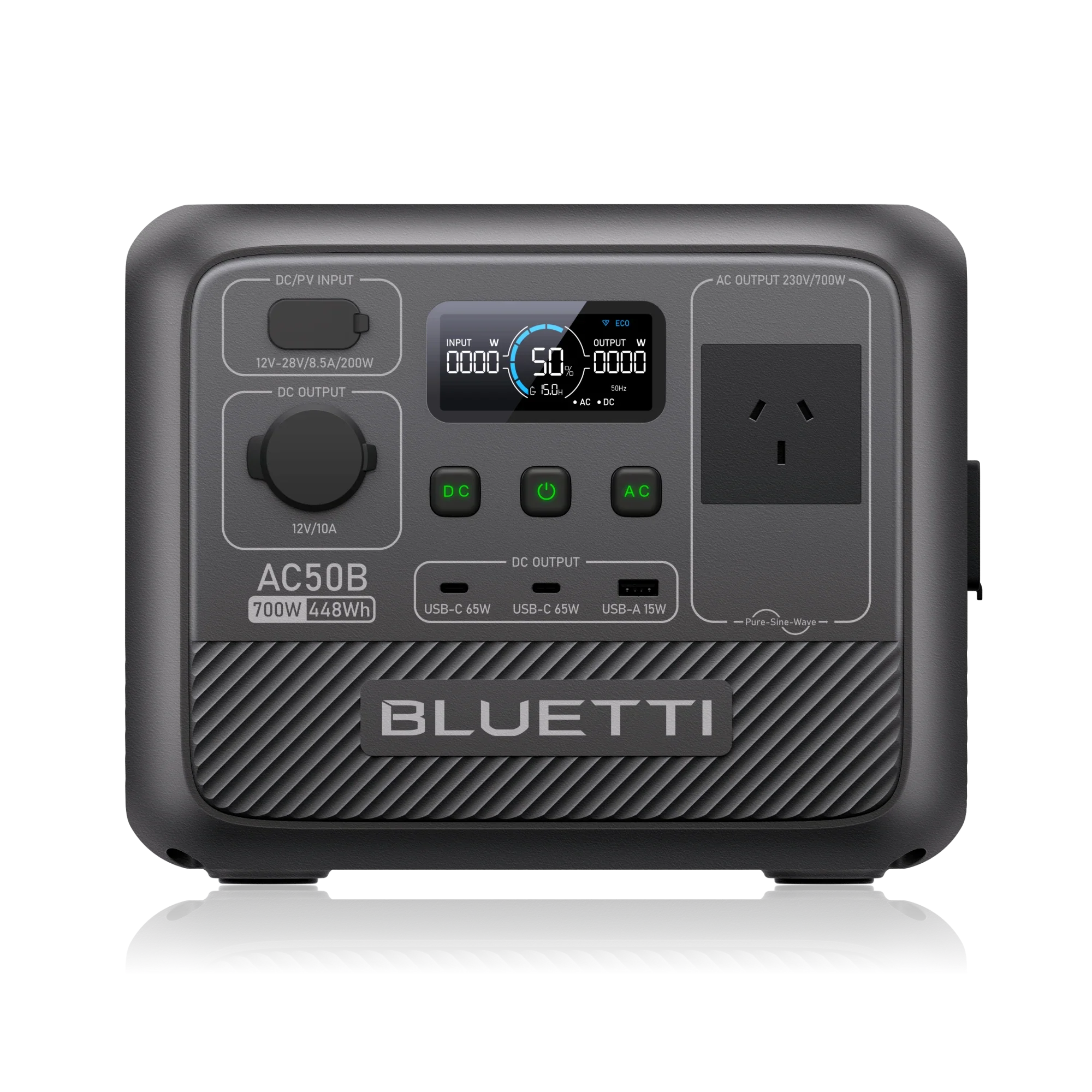
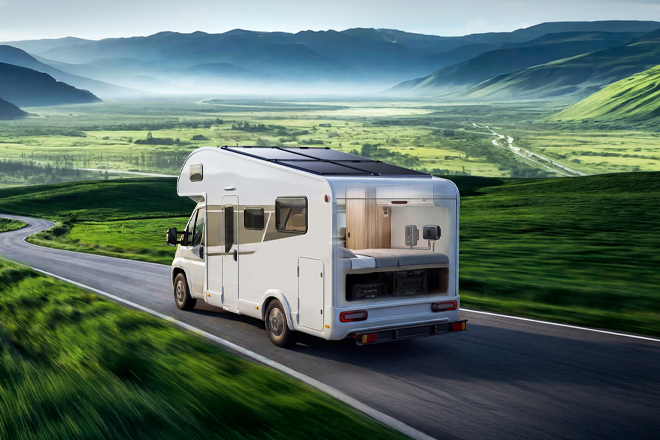
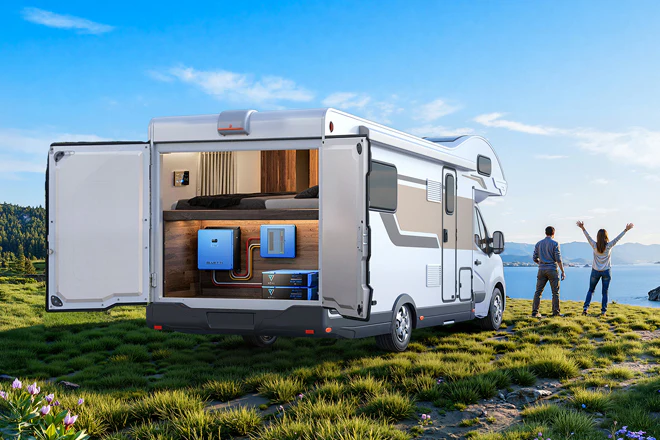
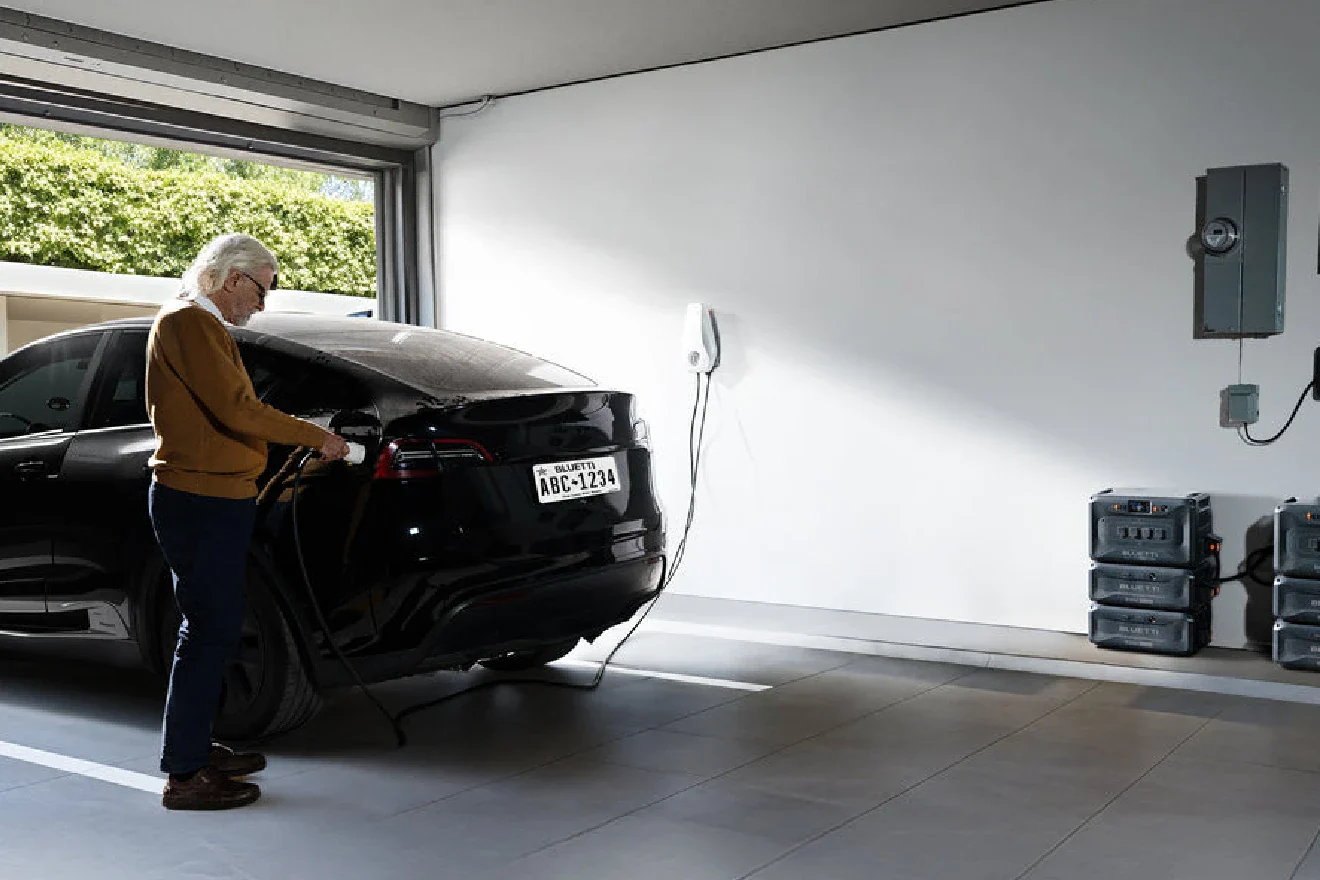

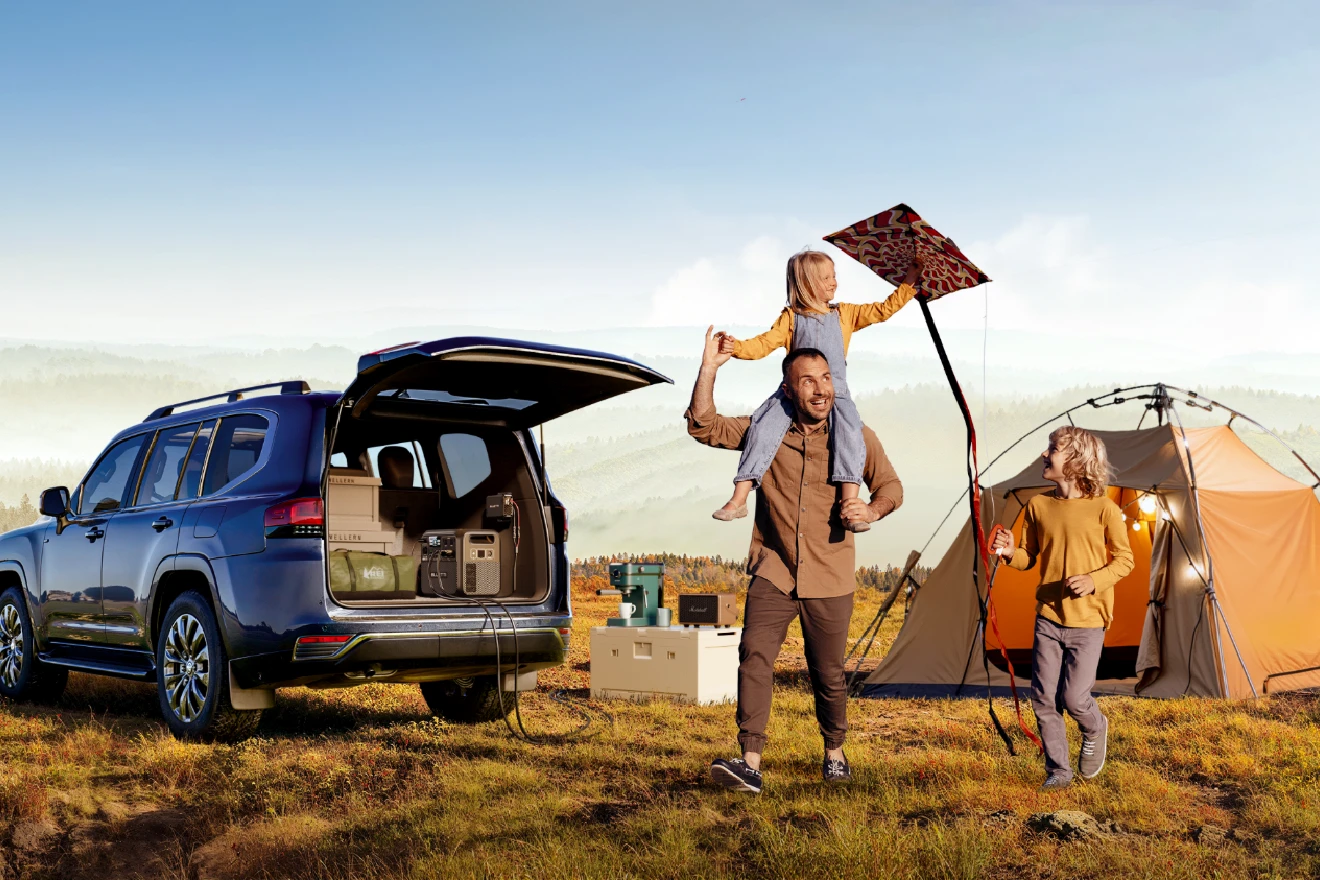
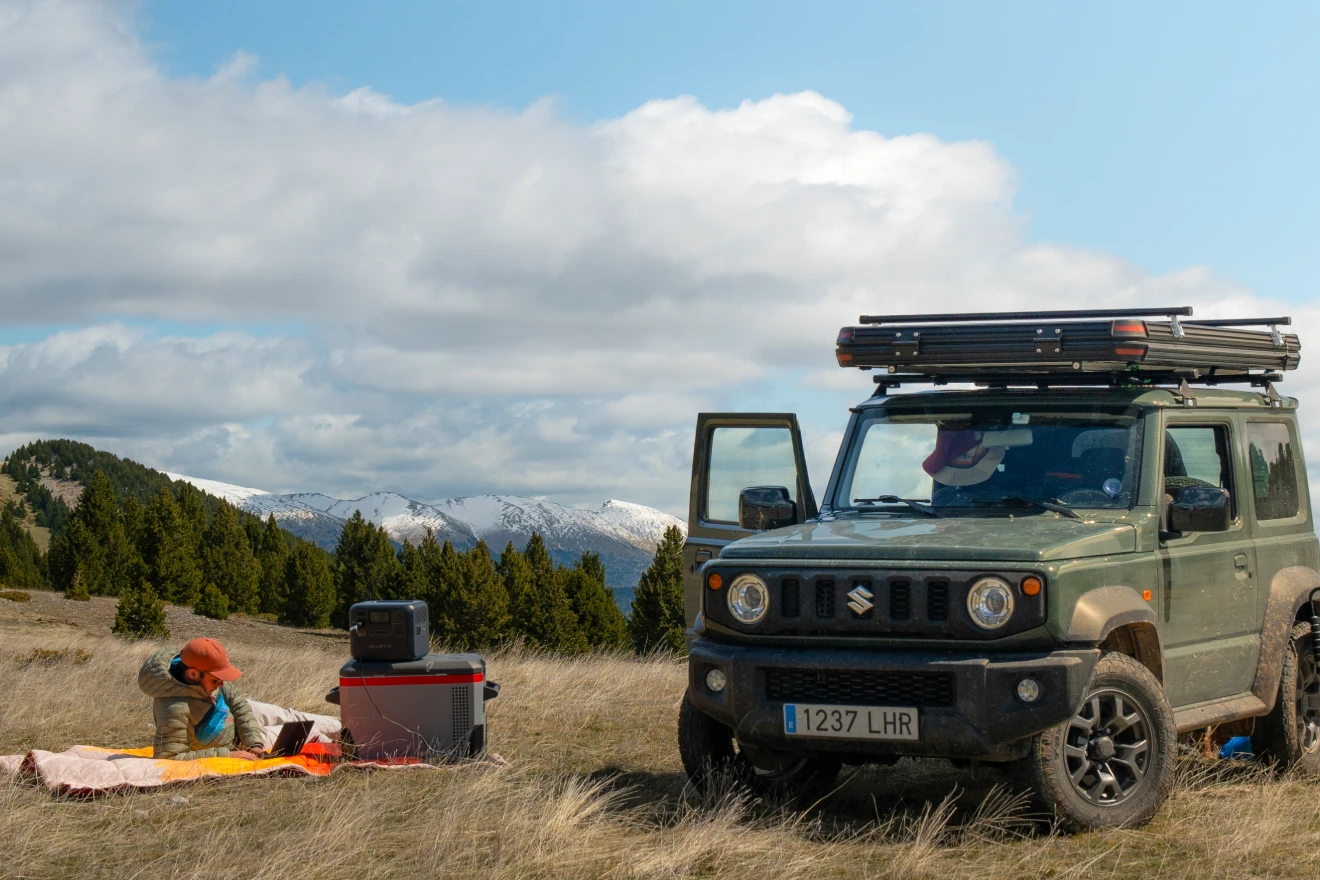
In the old days, heading out into the bush meant truly "roughing it"—fumbling with kerosene lamps and hoping the ice in the Esky lasted long enough to keep the tinnies cold. But the modern Aussie road trip has evolved. Portable power stations have moved beyond luxury "glamping" gear to become the essential backbone of any reliable off-grid setup.
Whether you're a tradie working out of your canopy, a family caravanning across the Nullarbor, or a solo explorer in a 4WD, a reliable power source is a matter of safety and utility. It's about keeping the UHF radio or satellite comms alive when you're 200km from the nearest bitumen, ensuring your fridge doesn't spoil the week's tucker, and having a silent alternative to those noisy, smelly gennies that ruin the serenity of a campsite.
- Versatility: One unit can charge your smartphone, run a CPAP machine, and power your drone or laptop simultaneously.
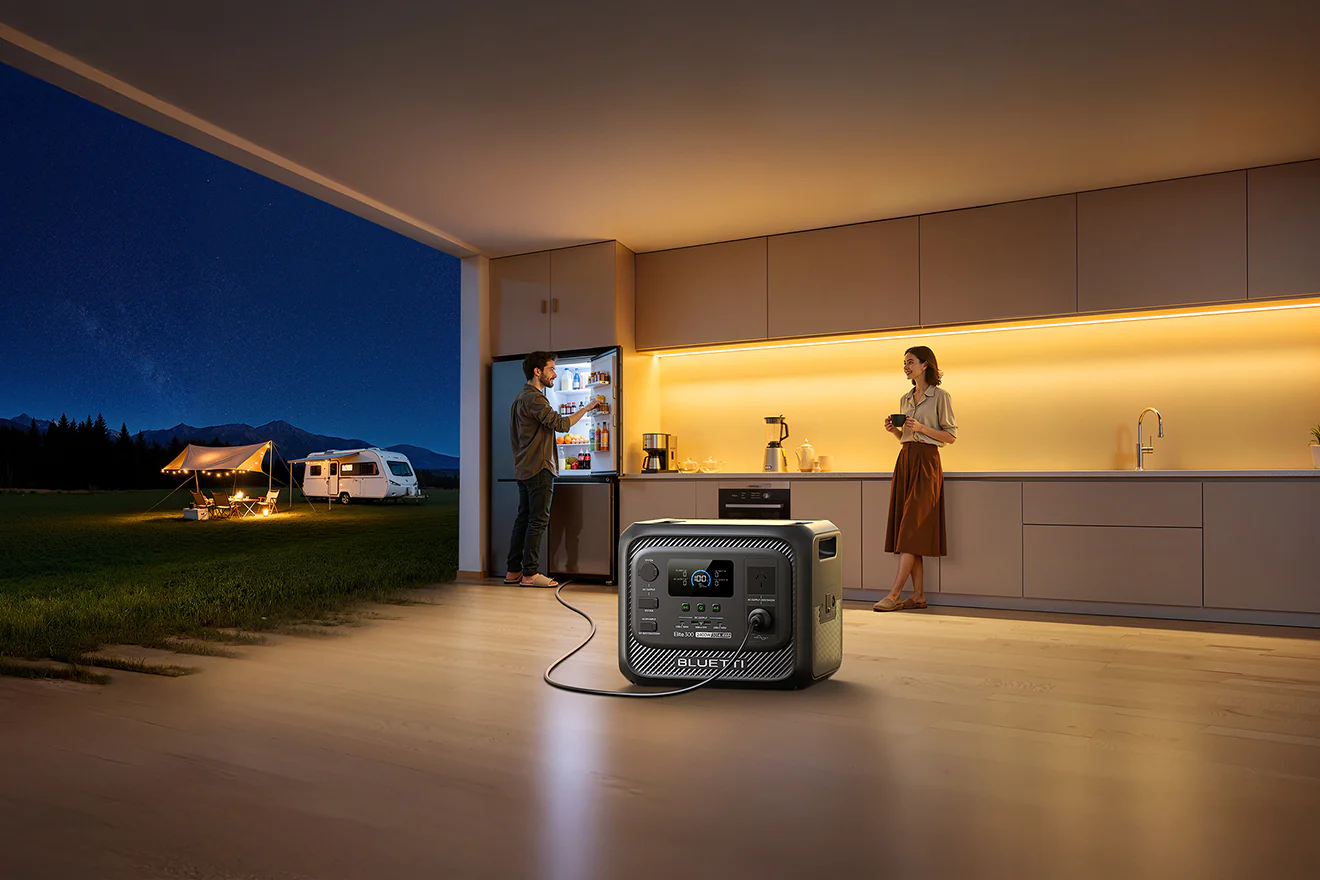
- Convenience: Enjoy cold beers and bright LED camp lights without the maintenance or fuel-hauling required by petrol generators.
- Safety: Critical for emergency communication during bushfire season or remote breakdowns, and essential for keeping medical devices running when the grid fails.

Facing the Outback: Unique Australian Environmental Challenges
Australia is effectively the world's cruellest battery test lab. Between the fine red dust of the Red Centre and the blistering heat of a Queensland summer, standard electronics often throw in the towel. To survive out here, your gear needs to be built specifically for the outback.
The "Red Dust" Factor & Ingress Protection
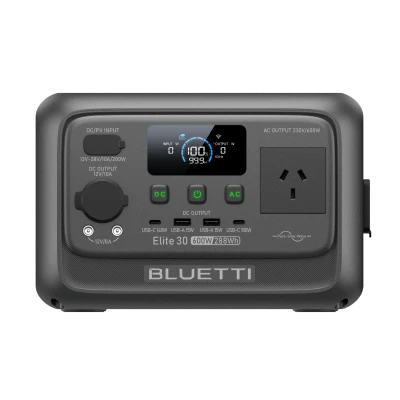
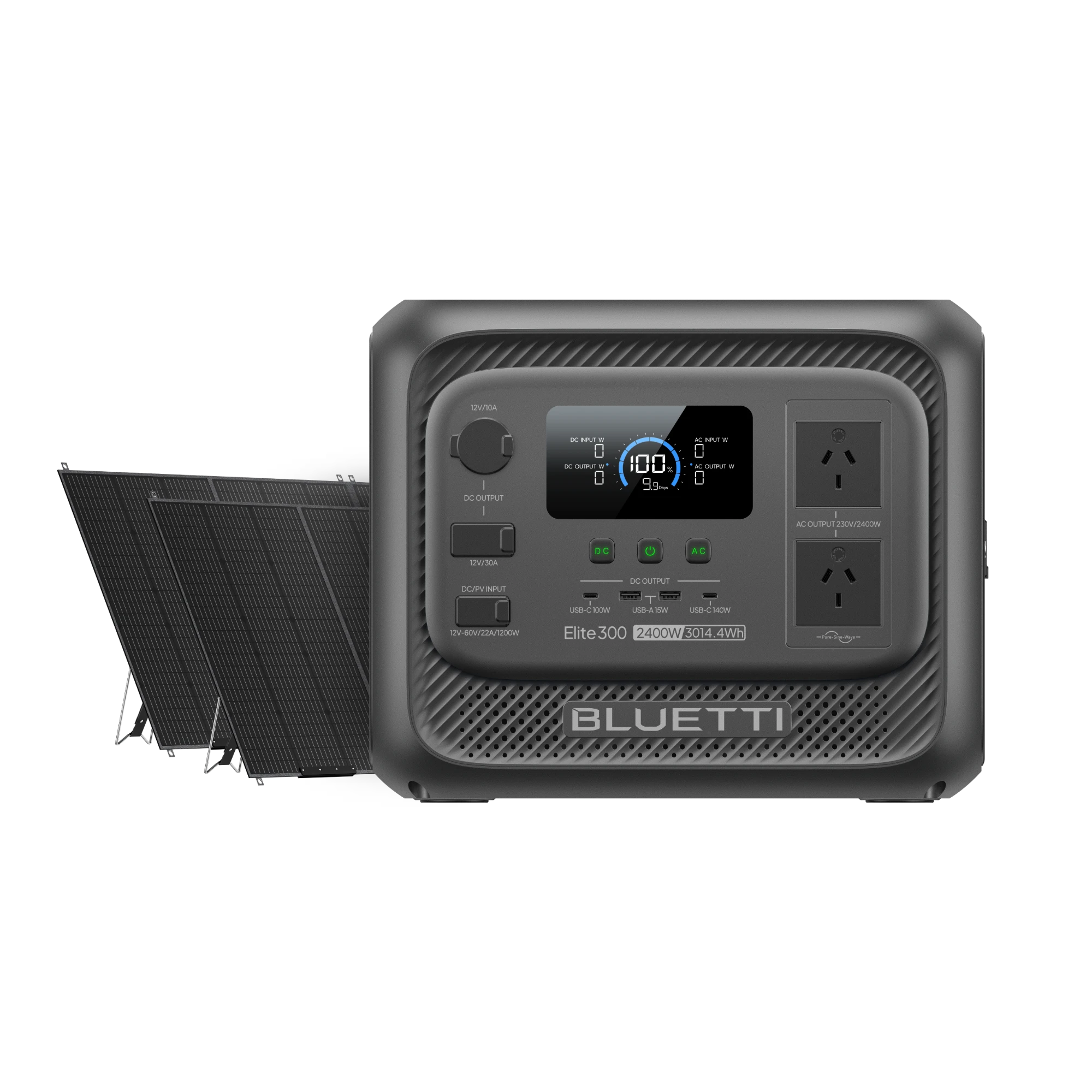
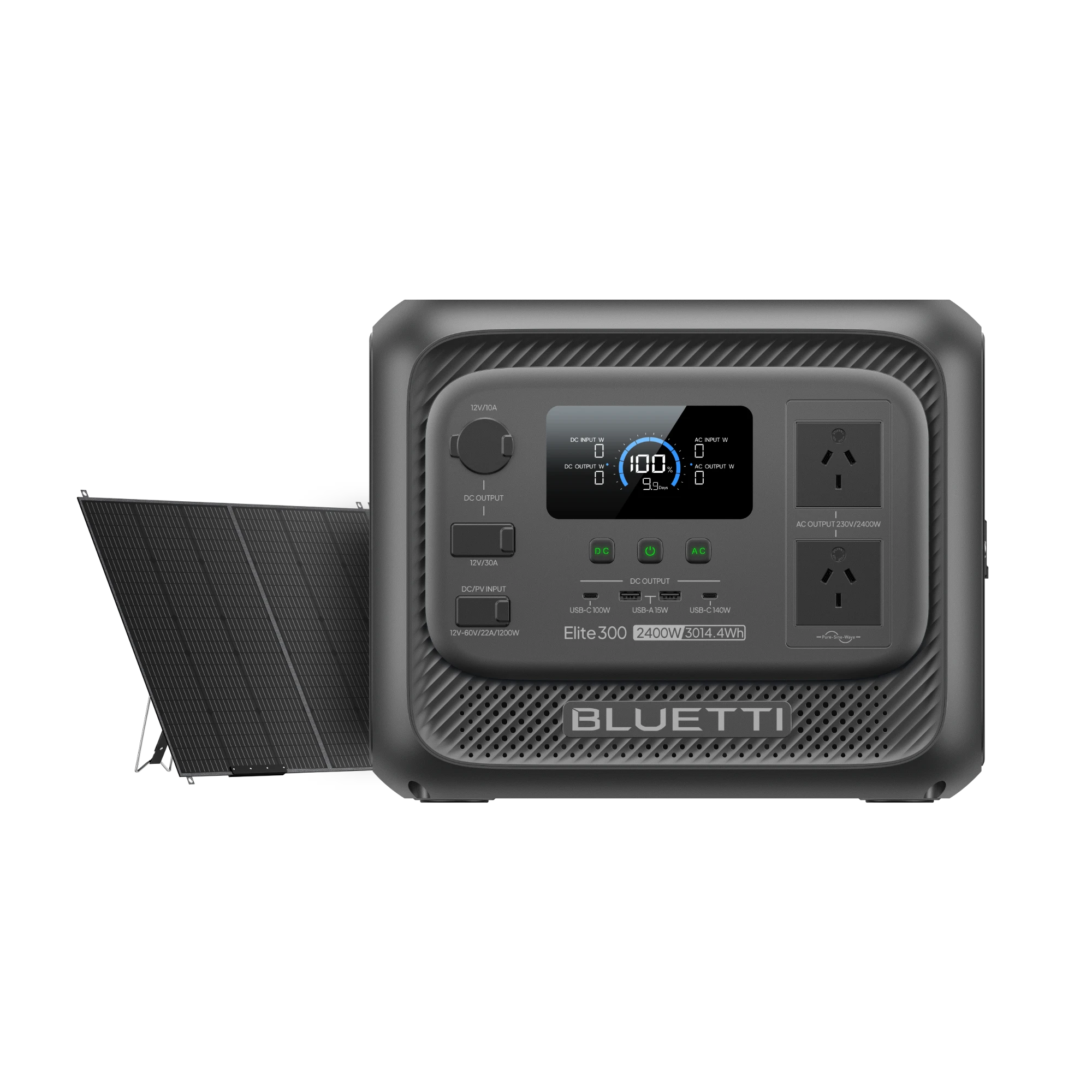
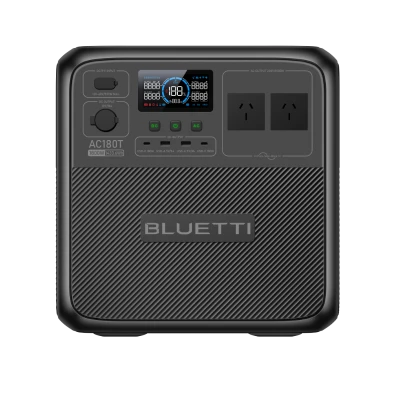
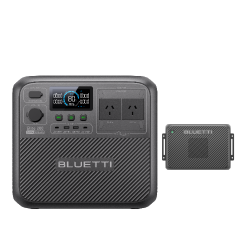
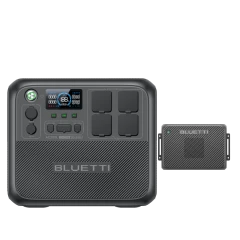
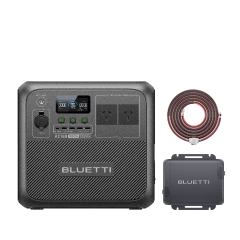
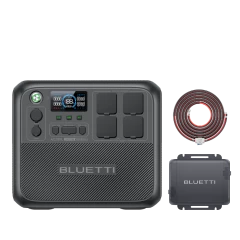
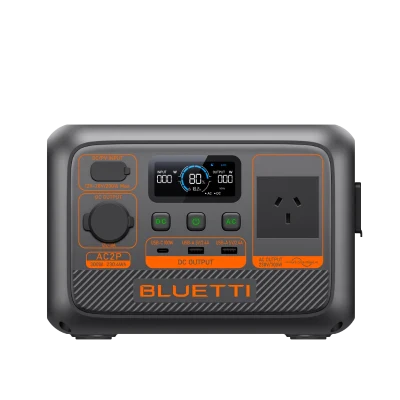
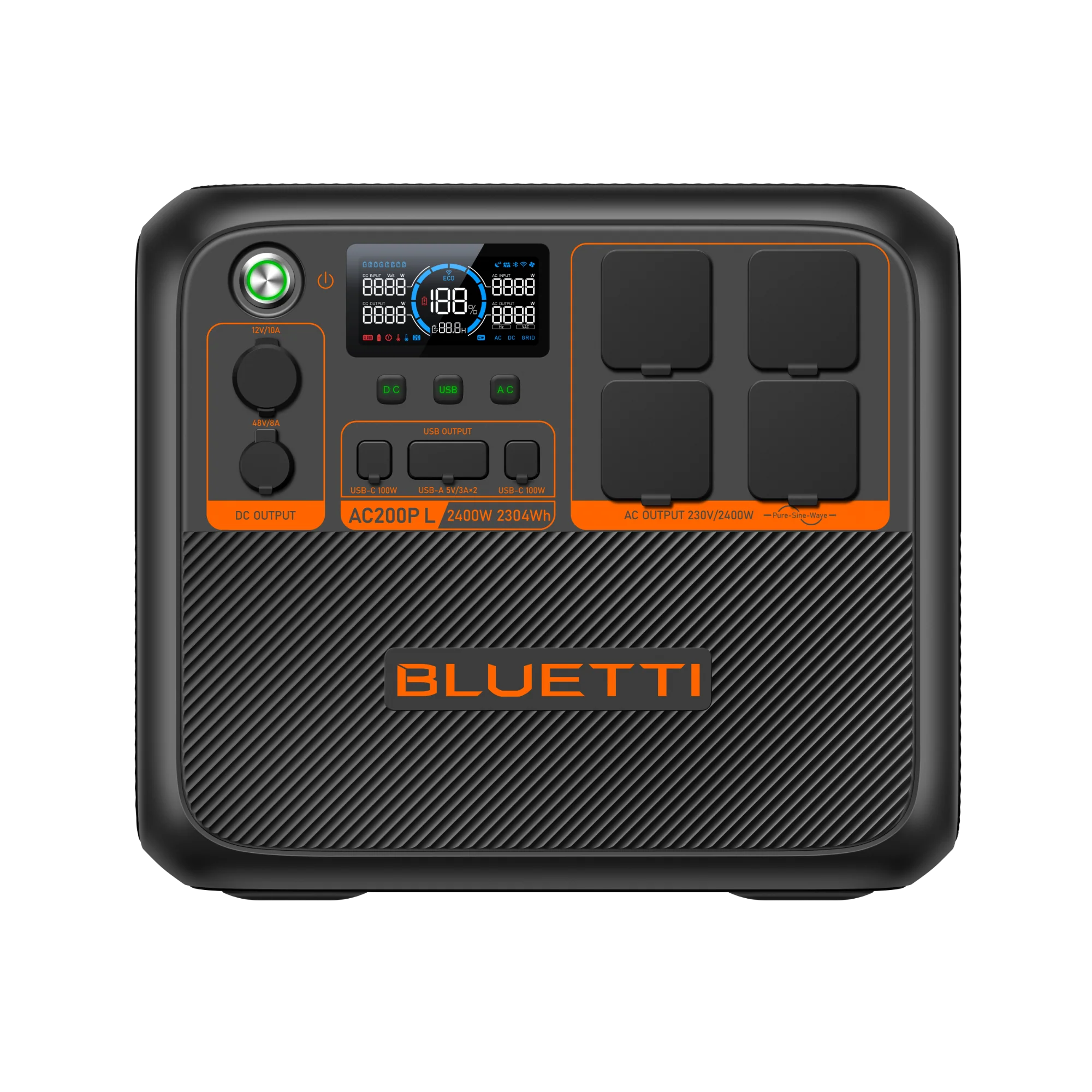
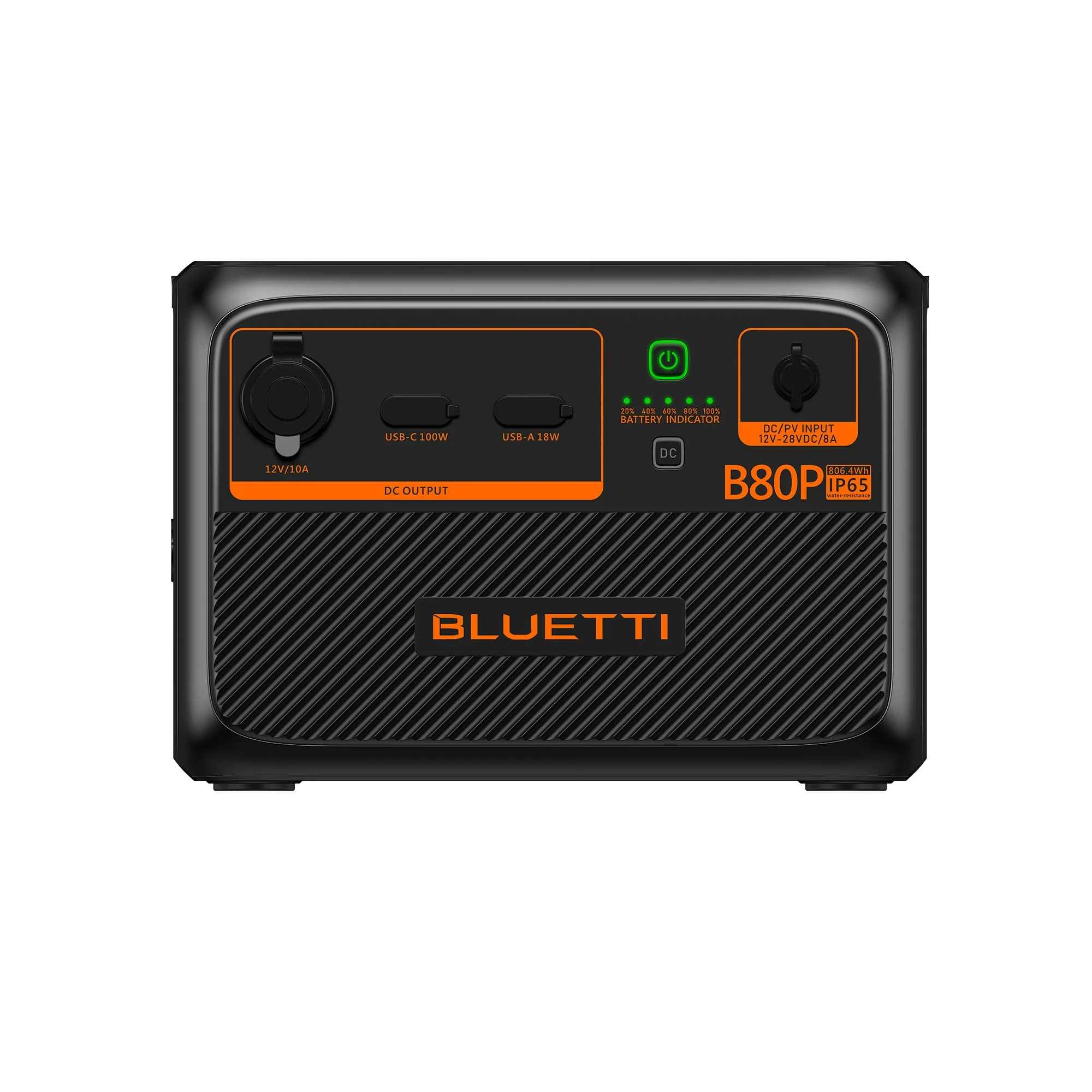
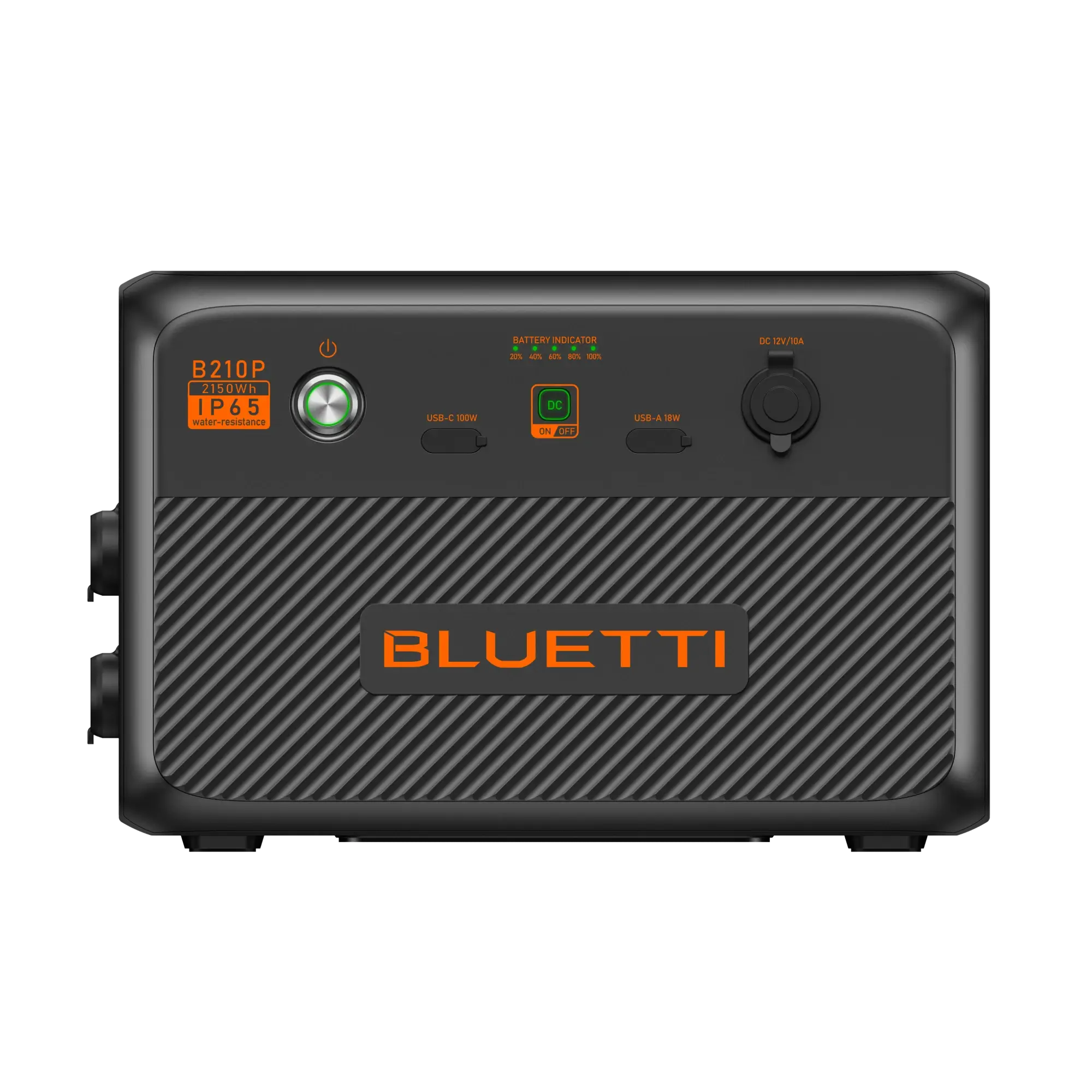
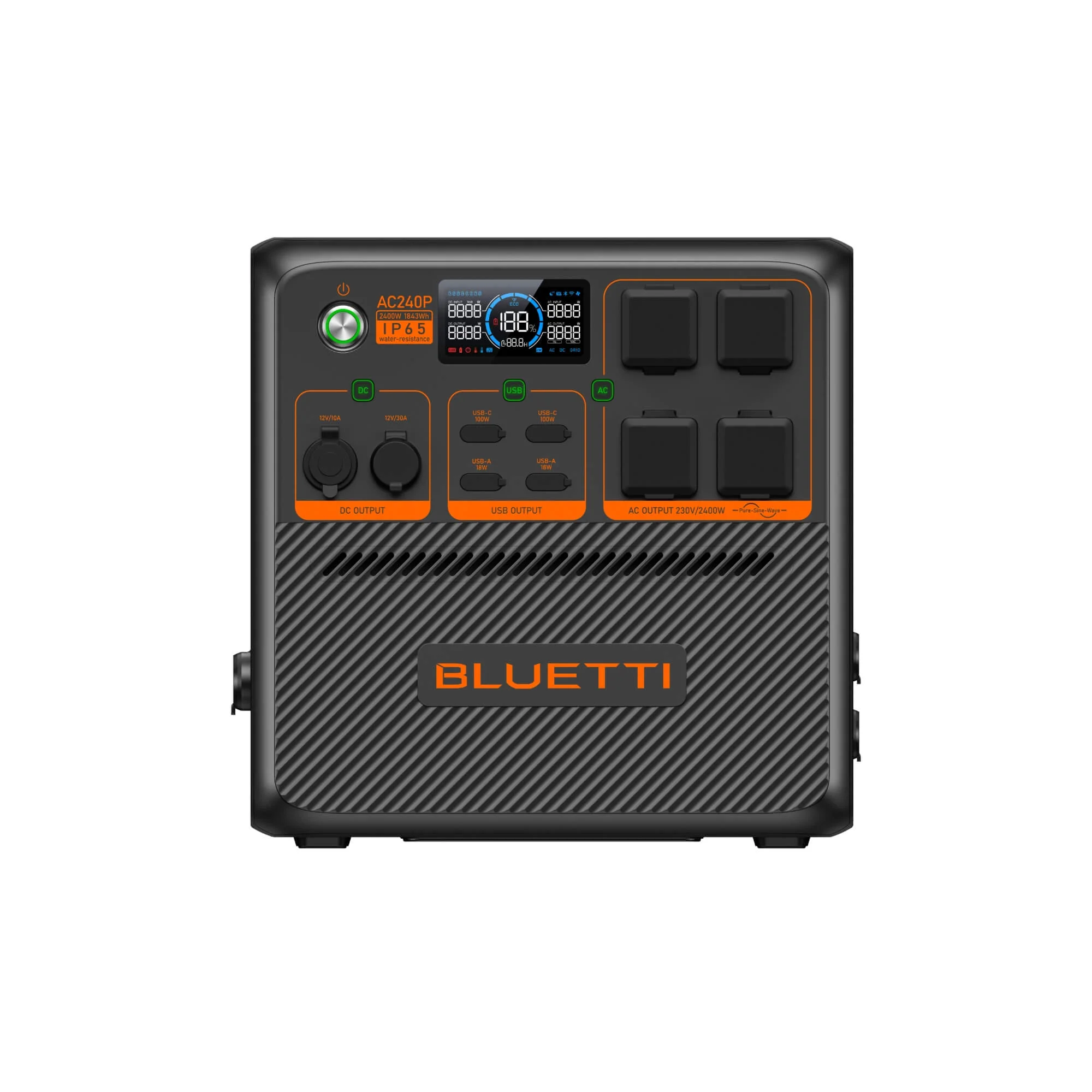
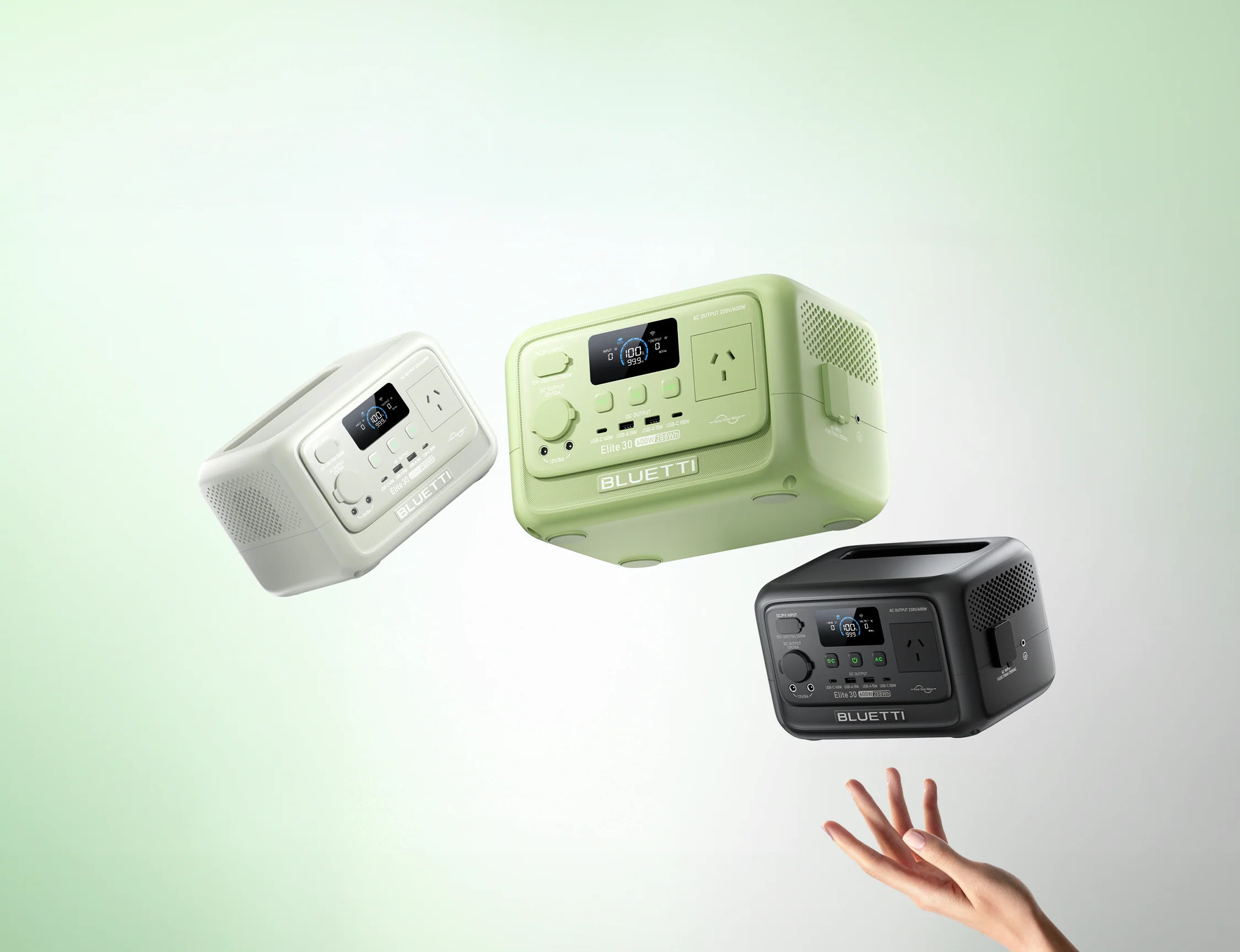
Dust and moisture are the natural enemies of electrical circuits. For serious durability, look for high Ingress Protection (IP) ratings. The BLUETTI AC240 is the gold standard here, featuring an IP65 rating that makes it dustproof and water-resistant—mandatory for beach camping or corrugated tracks where red dust finds its way into everything. However, be aware that lighter-duty units like the Elite 30 V2 are not waterproof; they need to be kept in a cool, dry, ventilated area like your vehicle's cabin or a protected canopy.
Extreme Thermal Management
When the mercury hits 40°C, the temperature inside a 4WD canopy or a parked car can easily exceed 60°C. Most lithium-ion (NMC) batteries struggle here, but LiFePO4 (Lithium Iron Phosphate) chemistry is the non-negotiable choice for Australians. It offers superior thermal stability, meaning it is far less likely to suffer from thermal runaway in high heat.
Pro-Tip: Always prioritise LiFePO4 (LFP) chemistry. Beyond the safety aspect, LFP batteries handle the heat with much less degradation, ensuring your investment lasts for years of summer adventures rather than cooking itself in one season.
Sizing Your System: How Much Power Do You Actually Need?
Buying a power station without doing the math is like heading into the Simpson Desert with half a tank of diesel. You need to know your requirements before you commit.
The Math: The Professional Formula
To get a real-world estimate of your runtime, don't just divide capacity by wattage. You must account for Depth of Discharge (DoD) and inverter efficiency. Use this formula:
Runtime = Total Capacity (Wh) × 0.95 (DoD) × 0.90 (Efficiency) ÷ (Device Power + Self-consumption)
Note: BLUETTI units like the Elite 30 V2 typically have a self-consumption (no-load) draw of about 4.5W to 9W depending on whether AC or DC is active.
Real-World Load Example
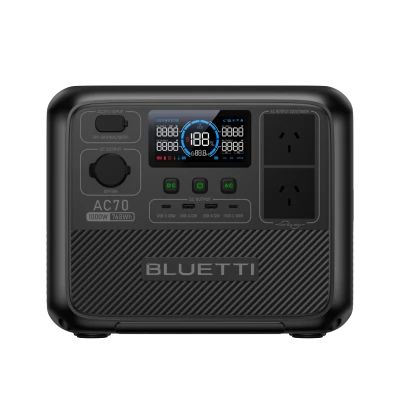
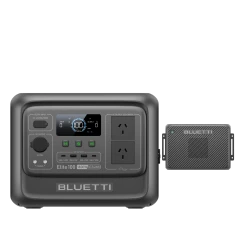
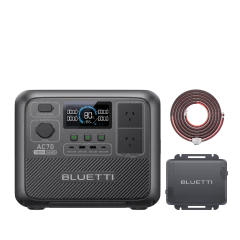
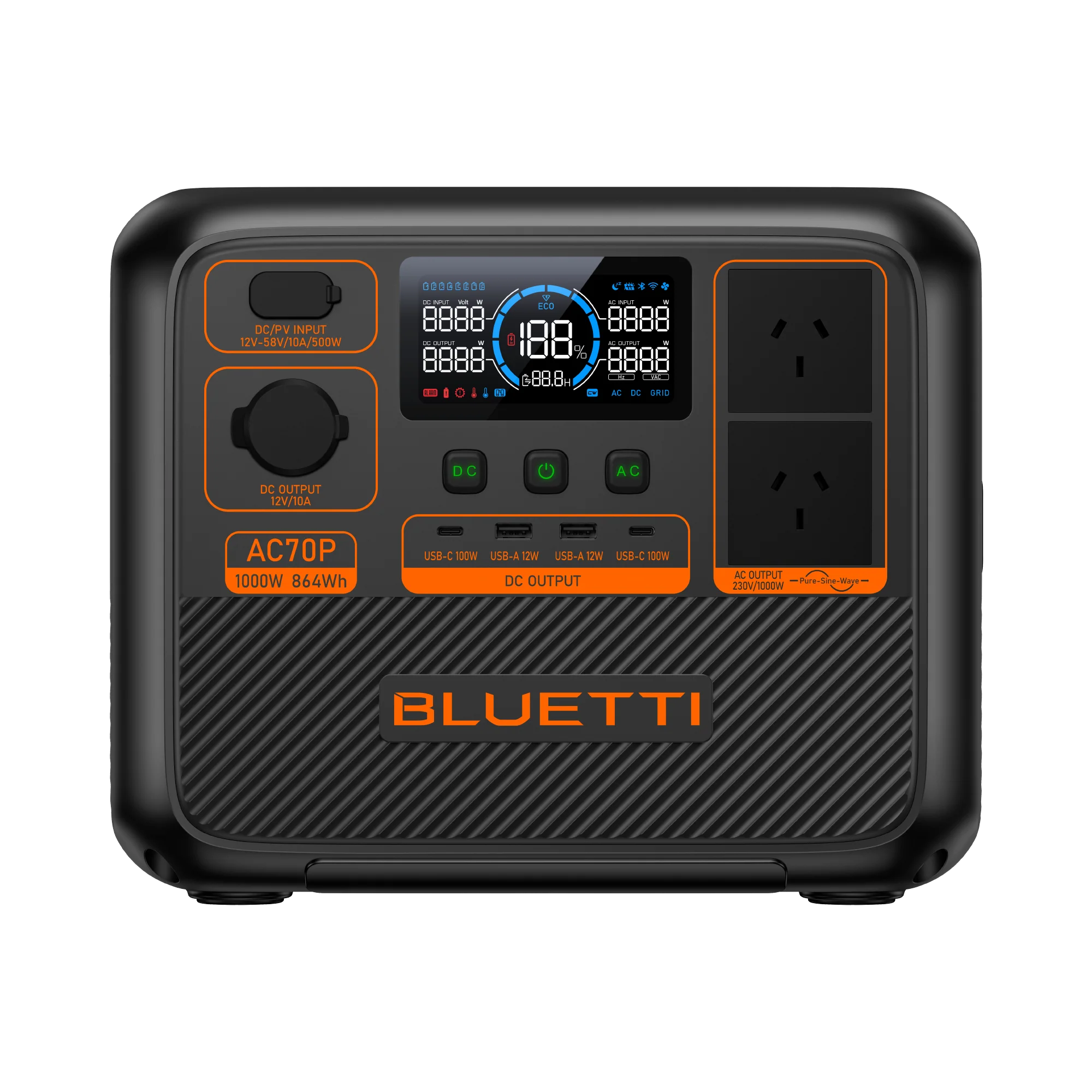
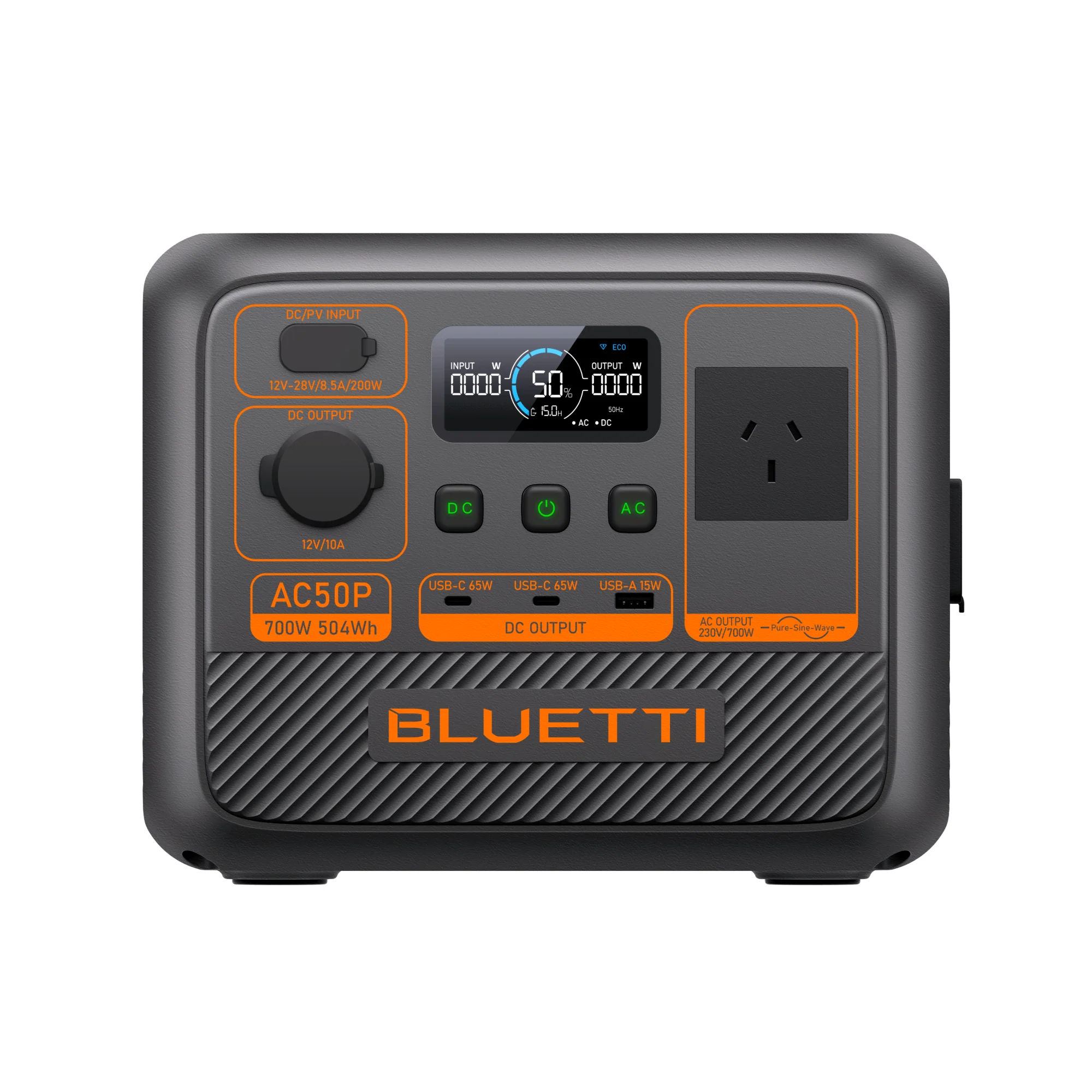
Take a standard 46L camping fridge consuming roughly 288Wh per day. To run this for 24 hours off-grid with an Elite 30 V2 (288Wh), you'd be cutting it too fine once you factor in efficiency losses. For a fridge, you'd want at least an AC70 or Elite 100 V2 to ensure a safety buffer.
Continuous vs. Power Lifting Mode
There is a massive difference between charging a laptop and starting a compressor-based appliance.
- Continuous Power: The steady wattage to keep a device running.
- Power Lifting Mode: A specialized mode for high-wattage resistive devices (like kettles or blankets). The Elite 30 V2 is rated at 600W but can "lift" to 1,500W, allowing it to boil a travel kettle. The AC70 is rated at 1,000W and lifts to 2,000W. Note: Never use Lifting Mode for air conditioners or washing machines; their compressors require massive surge overhead.
| Device | Continuous Power | Lifting/Surge Required | Elite 30 V2 (600W) Compatible? |
| Smartphone | 10W | Negligible | Yes |
| Laptop | 60W | Negligible | Yes |
| LED Camp Lights | 20W | Negligible | Yes |
| Camping Fridge | 60W | 200W+ | Yes |
| Electric Kettle | 1500W | 1500W | Yes (Lifting Mode) |
| Small AC Unit | 800W | 2500W+ | No |
Reliability in the Wild: Key Technical Features
When you are hundreds of kilometres from the nearest town, reliability is everything.
- LiFePO4 Longevity: These units offer 3,000 to 6,000+ charge cycles before dropping to 80% capacity. With a 95% Depth of Discharge (DoD), you get nearly all the rated power, unlike old lead-acid batteries that die if you discharge them past 50%.
- Pure Sine Wave Inverters: This is mandatory for sensitive gear like laptops, TVs, or CPAP machines. It provides clean electricity identical to your wall socket at home, preventing "dirty" power damage.
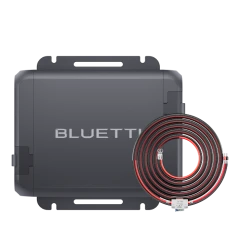
- High-Speed Alternator Charging: For serious tourers, BLUETTI's Charger 2 series is a game-changer. It delivers 800W of power (and the Charger 1 delivers 560W), which is up to 13x faster than a standard cigarette lighter port. This allows you to fully recharge your station while driving between campsites.
Optimising Solar Charging Under the Aussie Sun
Solar is the key to indefinite independence. However, heat is a double-edged sword.
The Temperature Coefficient
As the ambient temp hits 40°C, your solar panels lose approximately 5.25% efficiency due to the "Temperature Coefficient." Combined with the increased internal resistance of a hot battery, this makes efficient charging harder.
Expert Advice: Maximising the Harvest
- MPPT Technology: A must-have controller that optimises solar input by up to 30%, especially in fluctuating light or partial shade.
- Orientation: In Australia, always face your panels True North.
- Tilt Angle: For the best year-round results, aim for a tilt angle between 35° and 55°.
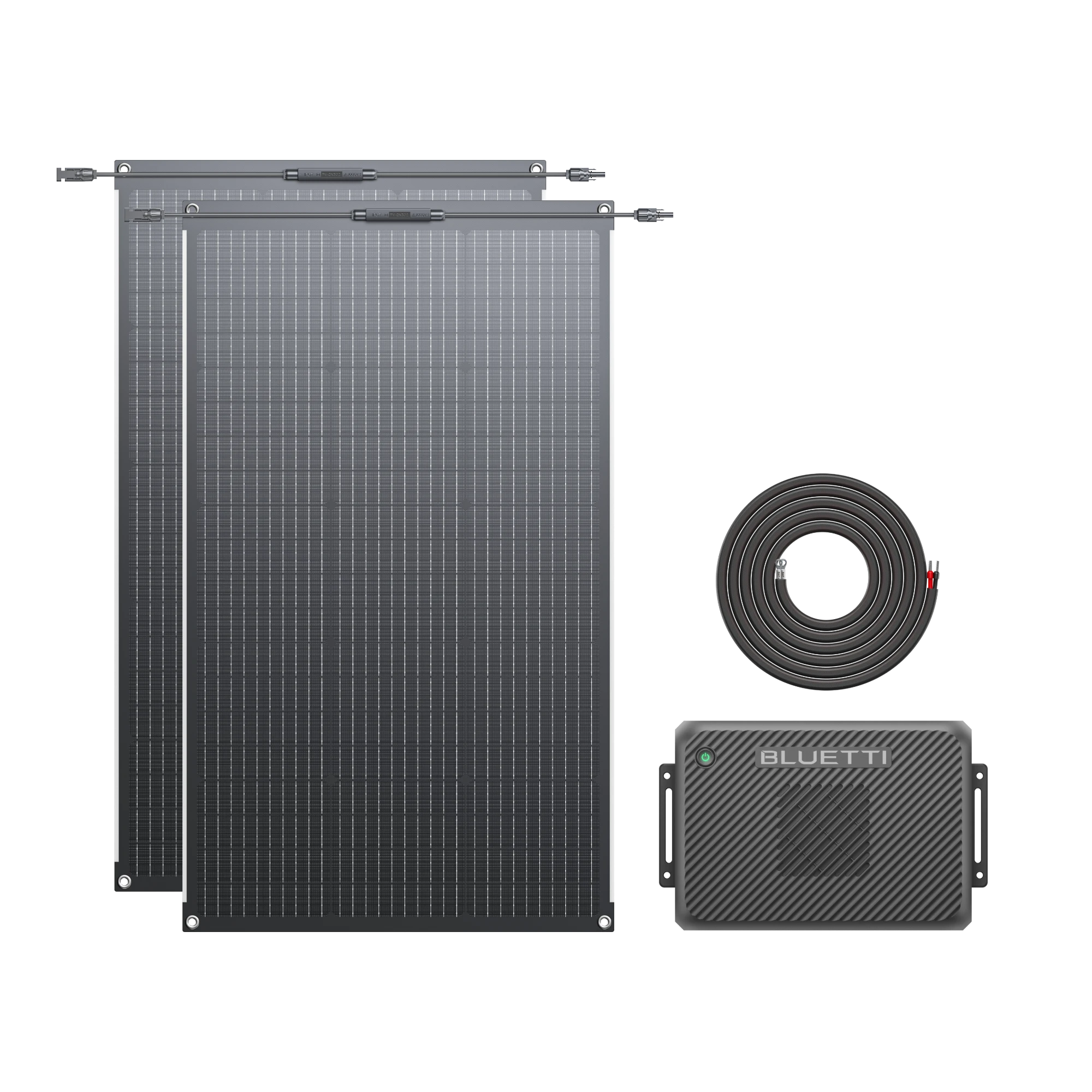
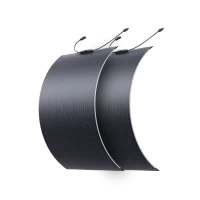
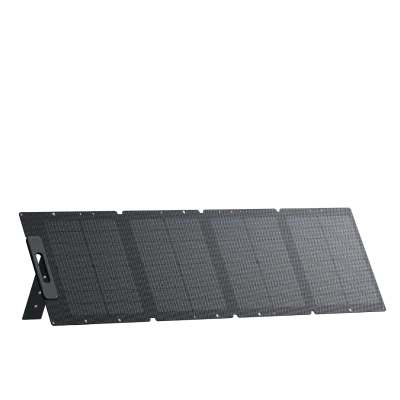
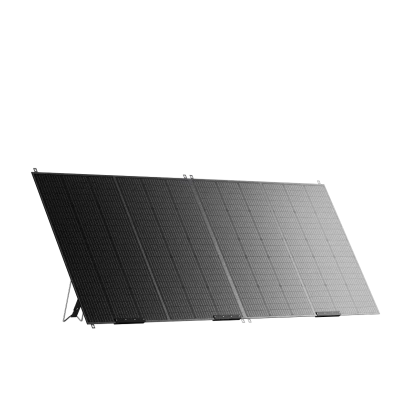
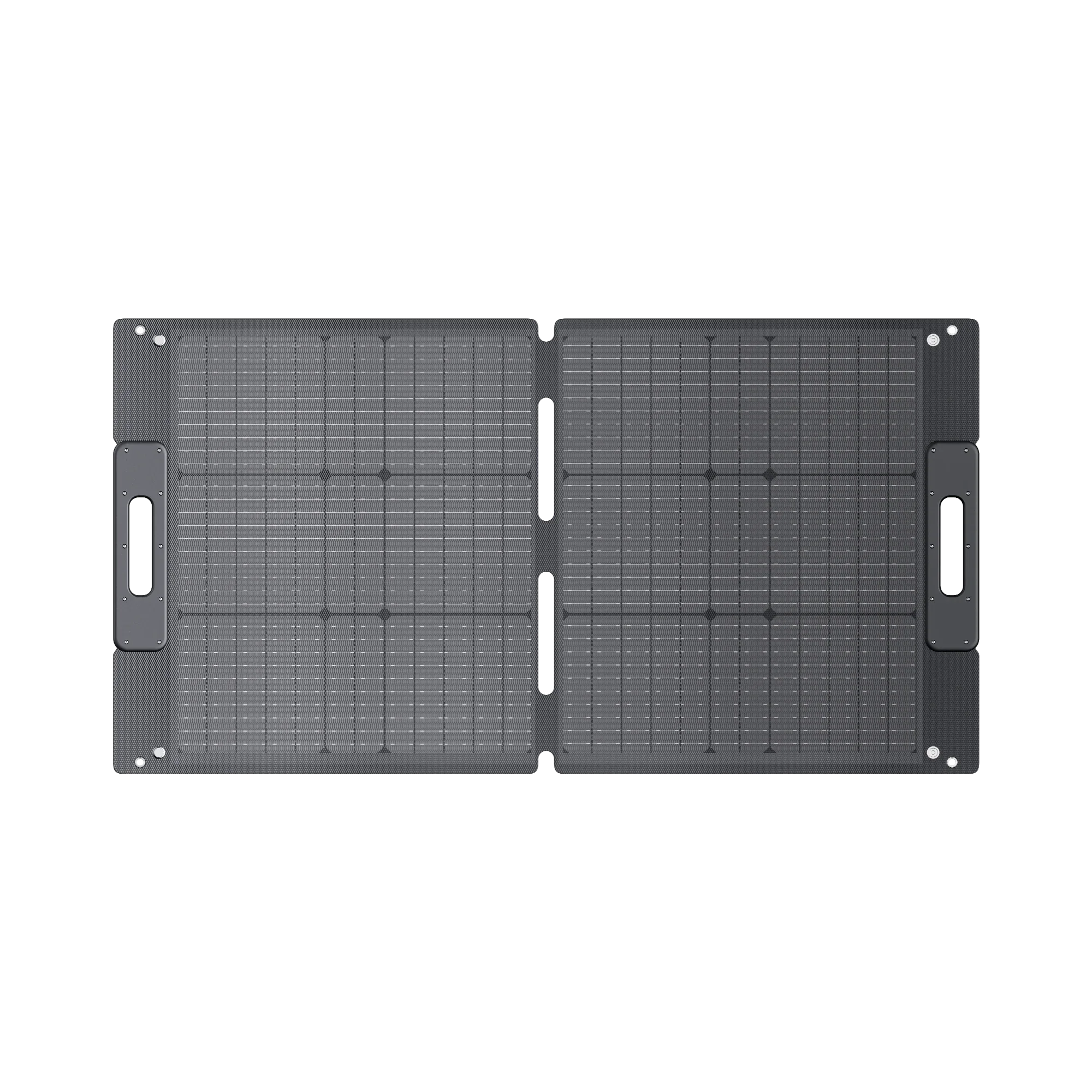
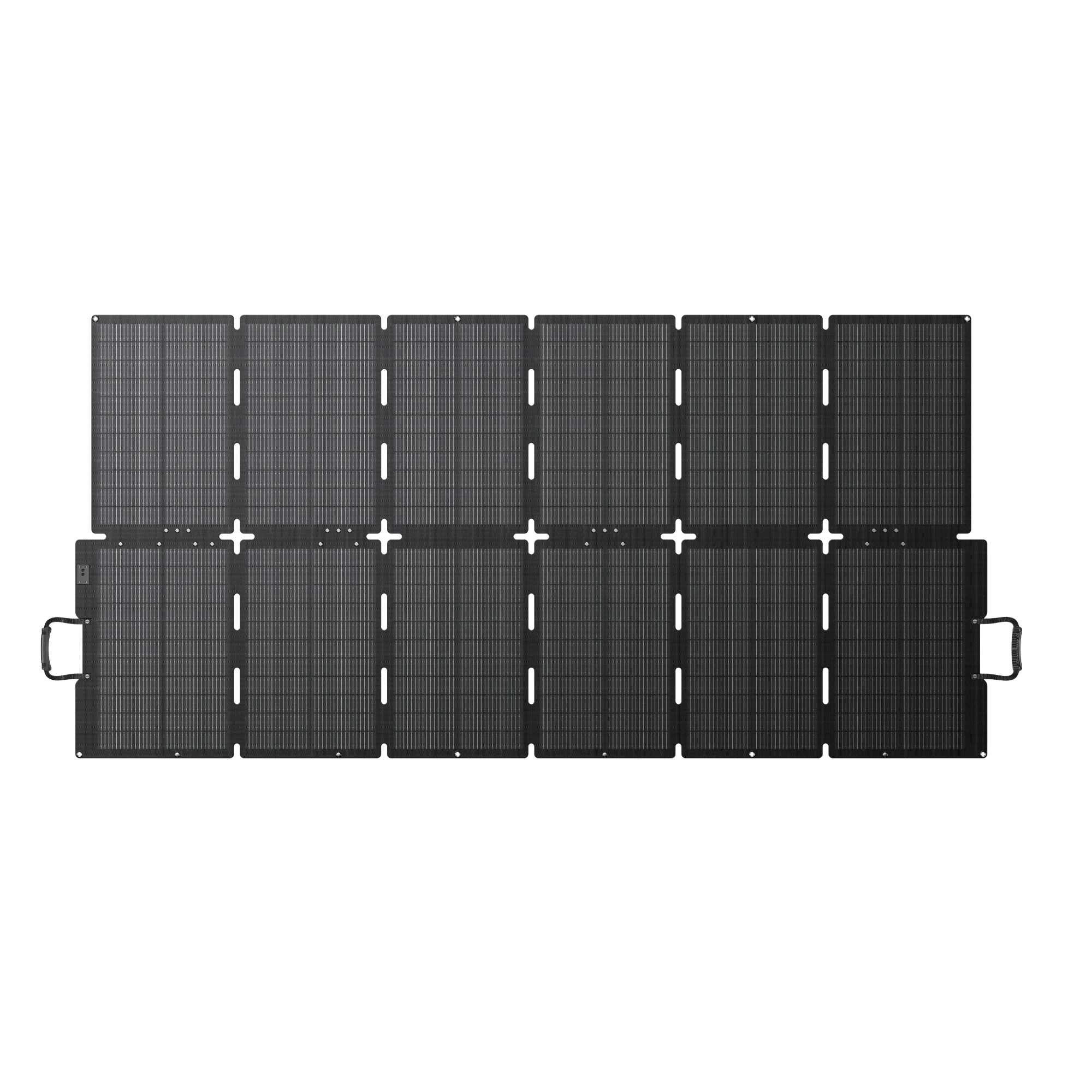
- Panel Choice: Folding panels are great for "chasing the sun," while flexible panels like the PV100 FX are perfect for permanent mounting on a caravan roof or boat bull bar.
The BLUETTI Buyer's Guide: Which Model Fits Your Trip?
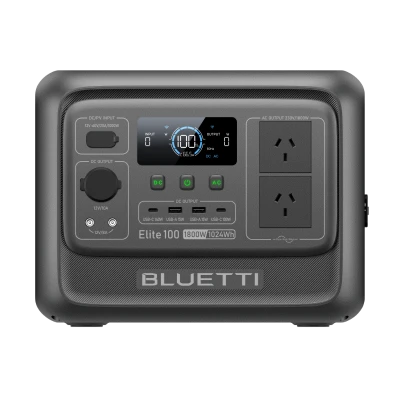
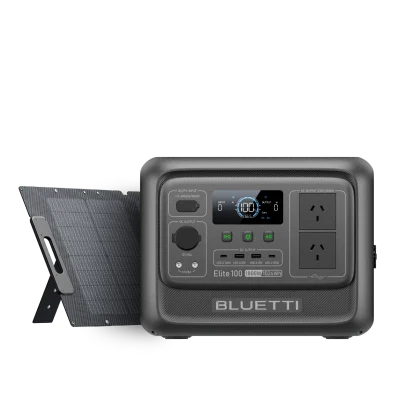
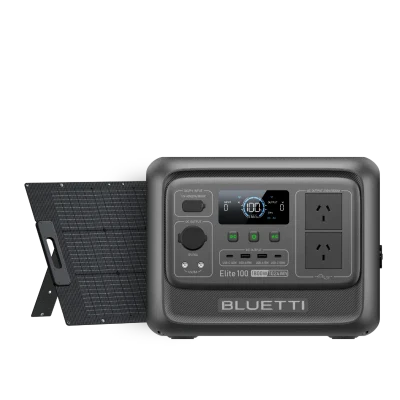
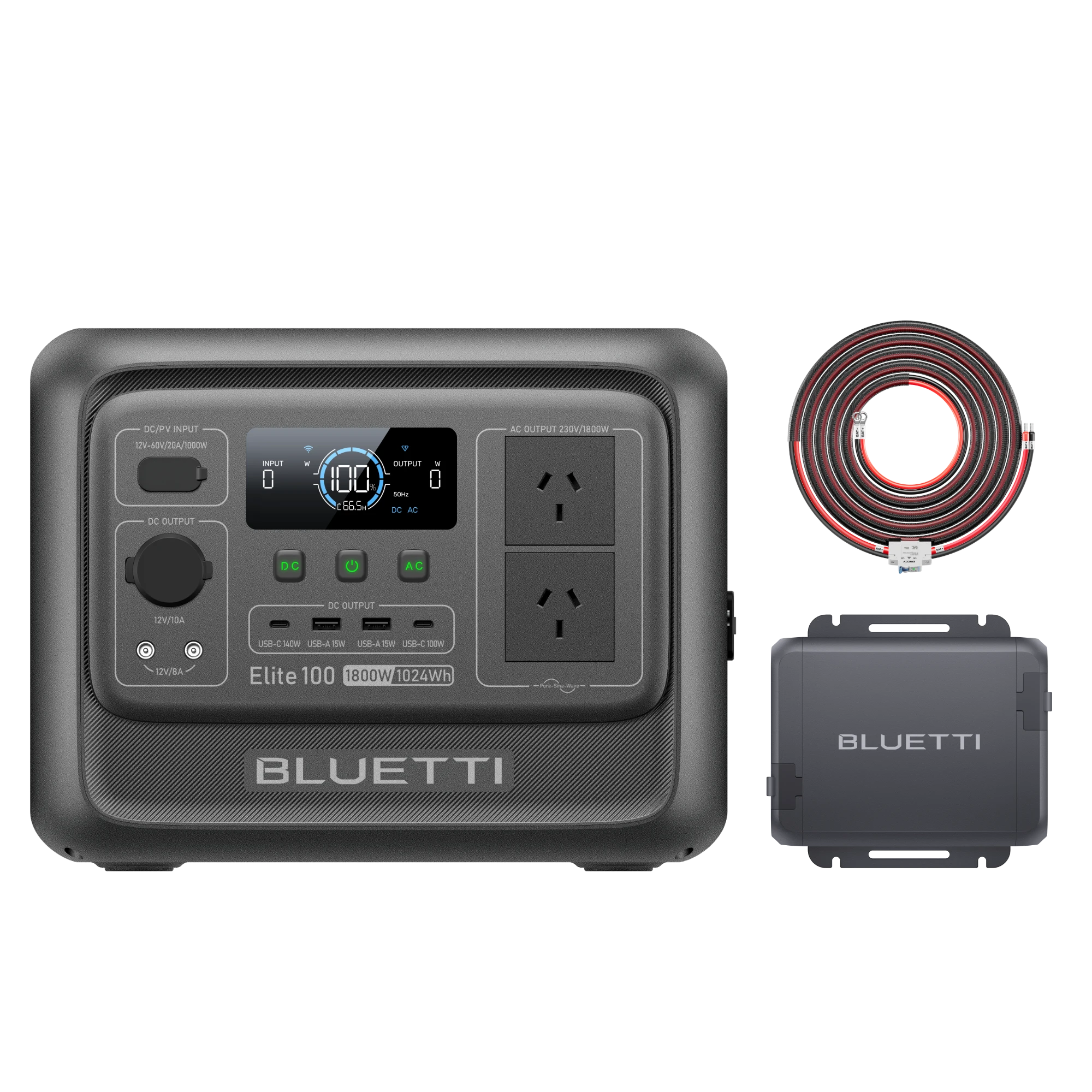
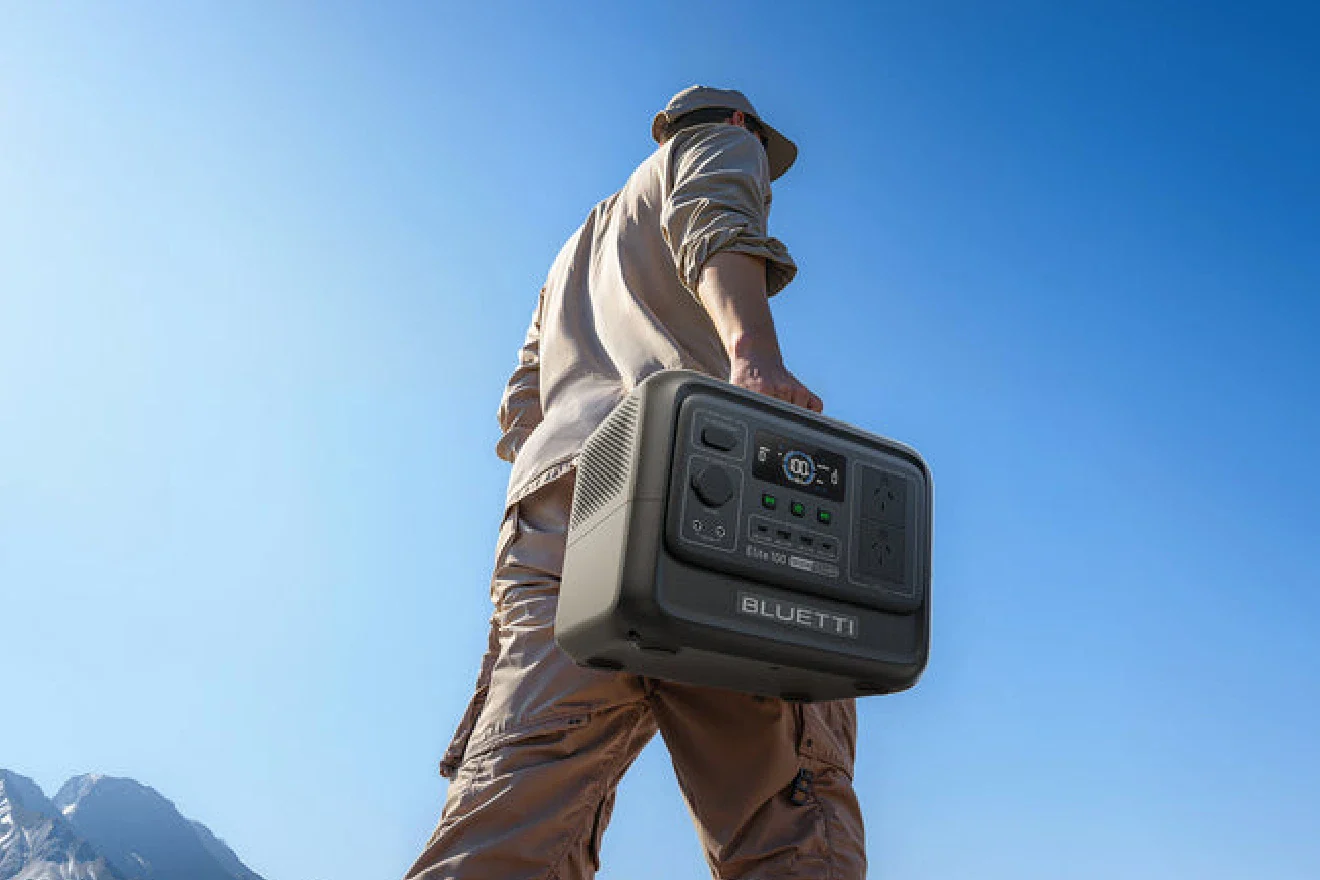
The Weekend Warrior: Elite 100 V2
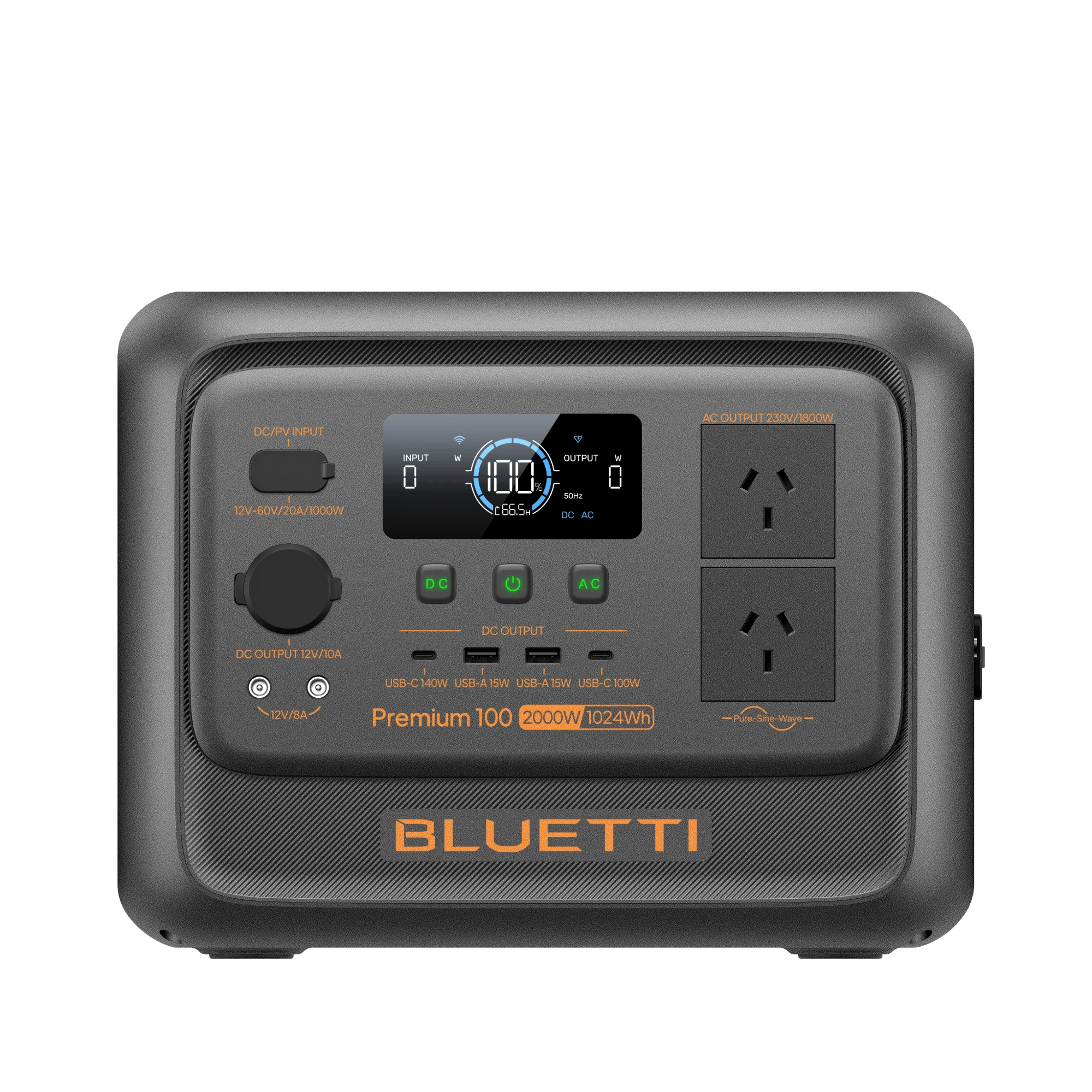
- Capacity/Output: 1,024Wh / 1,800W
- Why it's perfect: At 11.5kg, it's the sweet spot for weight and power. It'll run your fridge, lights, and devices for a full weekend with ease.
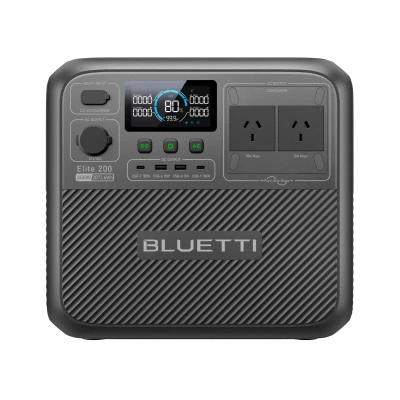
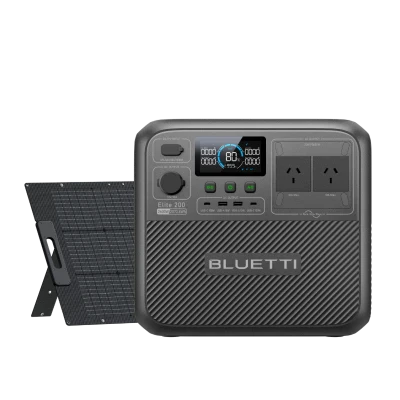
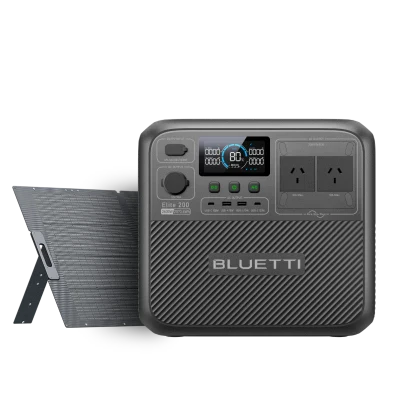
The Long-Haul Powerhouse: Elite 200 V2
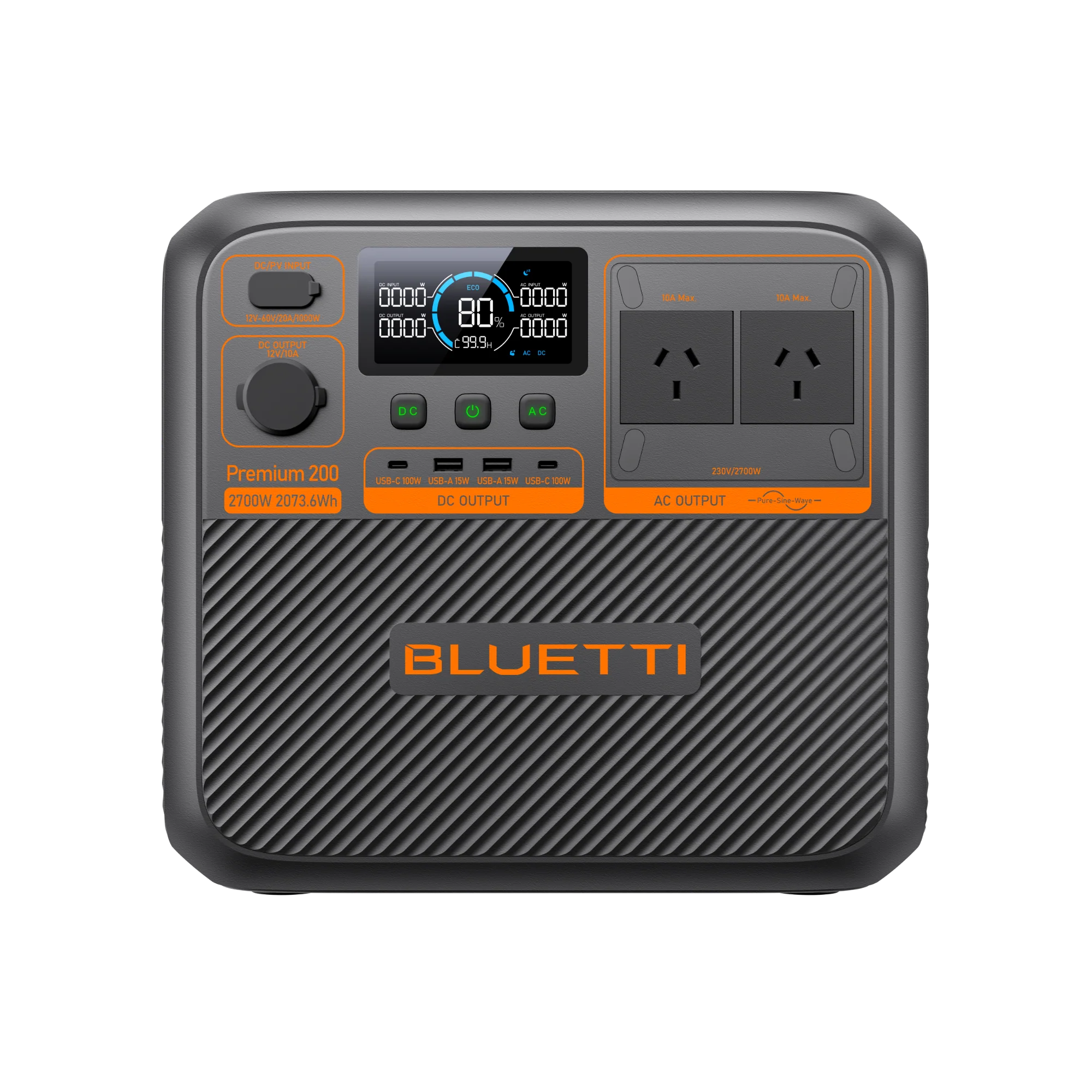
- Capacity/Output: 2,073.6Wh / 2,600W
- Why it's perfect: Built with automotive-grade cells for heavy loads. It handles induction cooktops and power tools, making it the top choice for the "Big Lap."
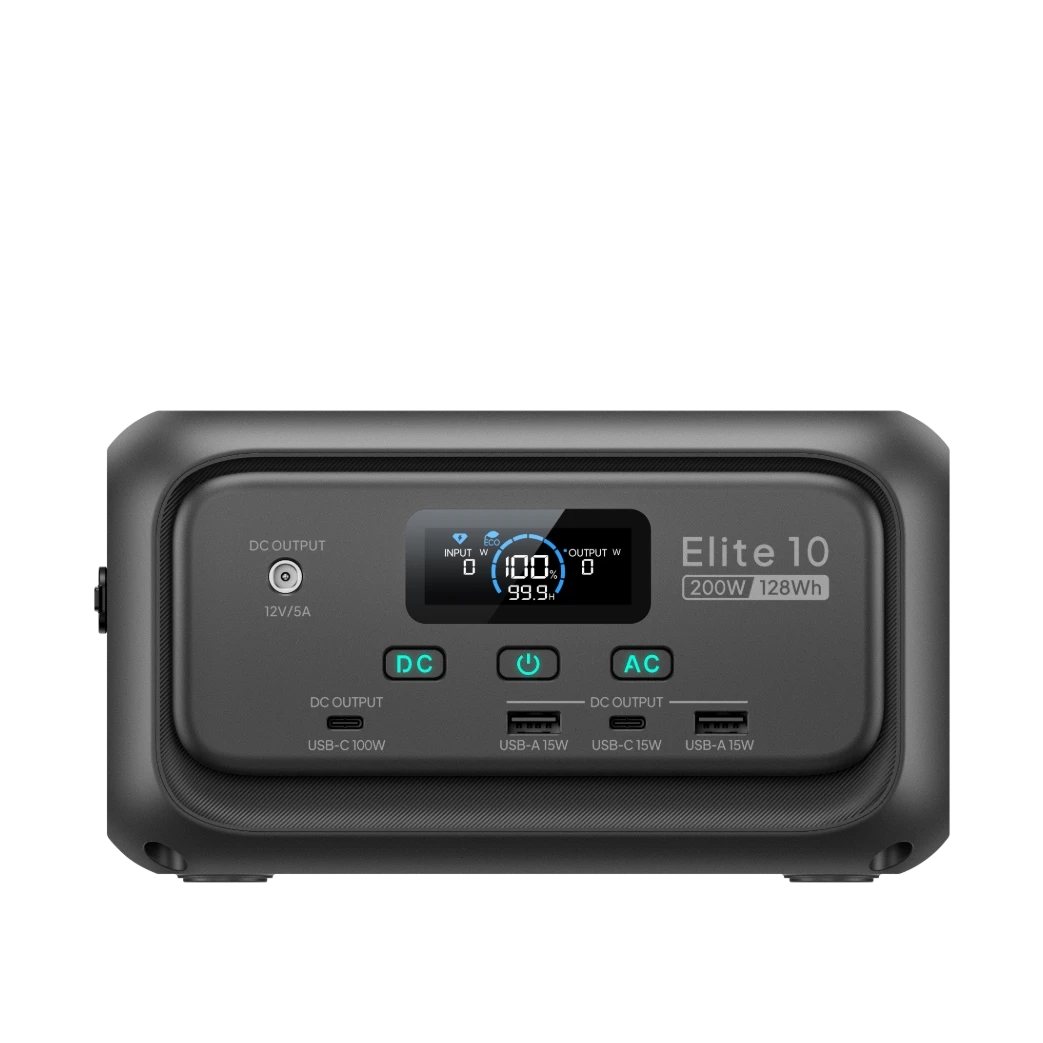
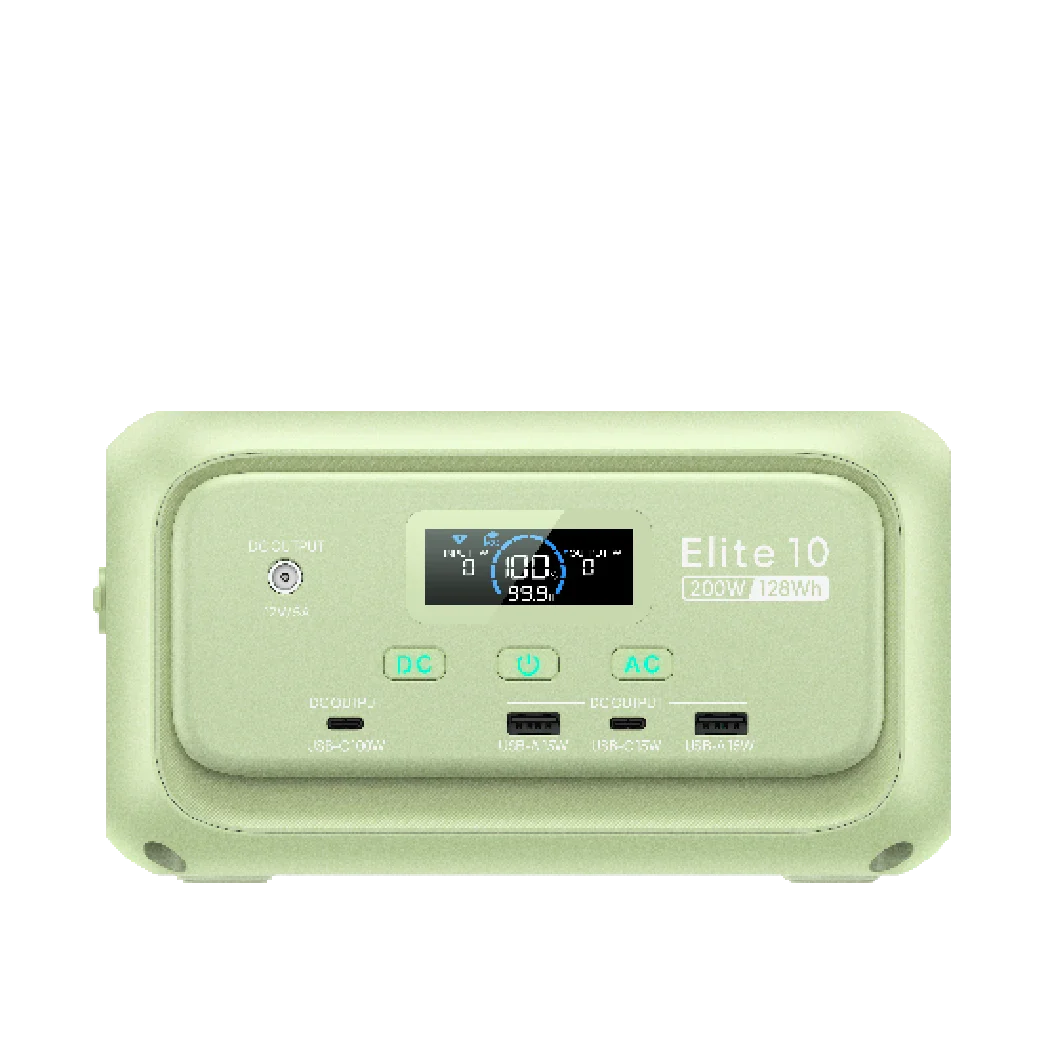
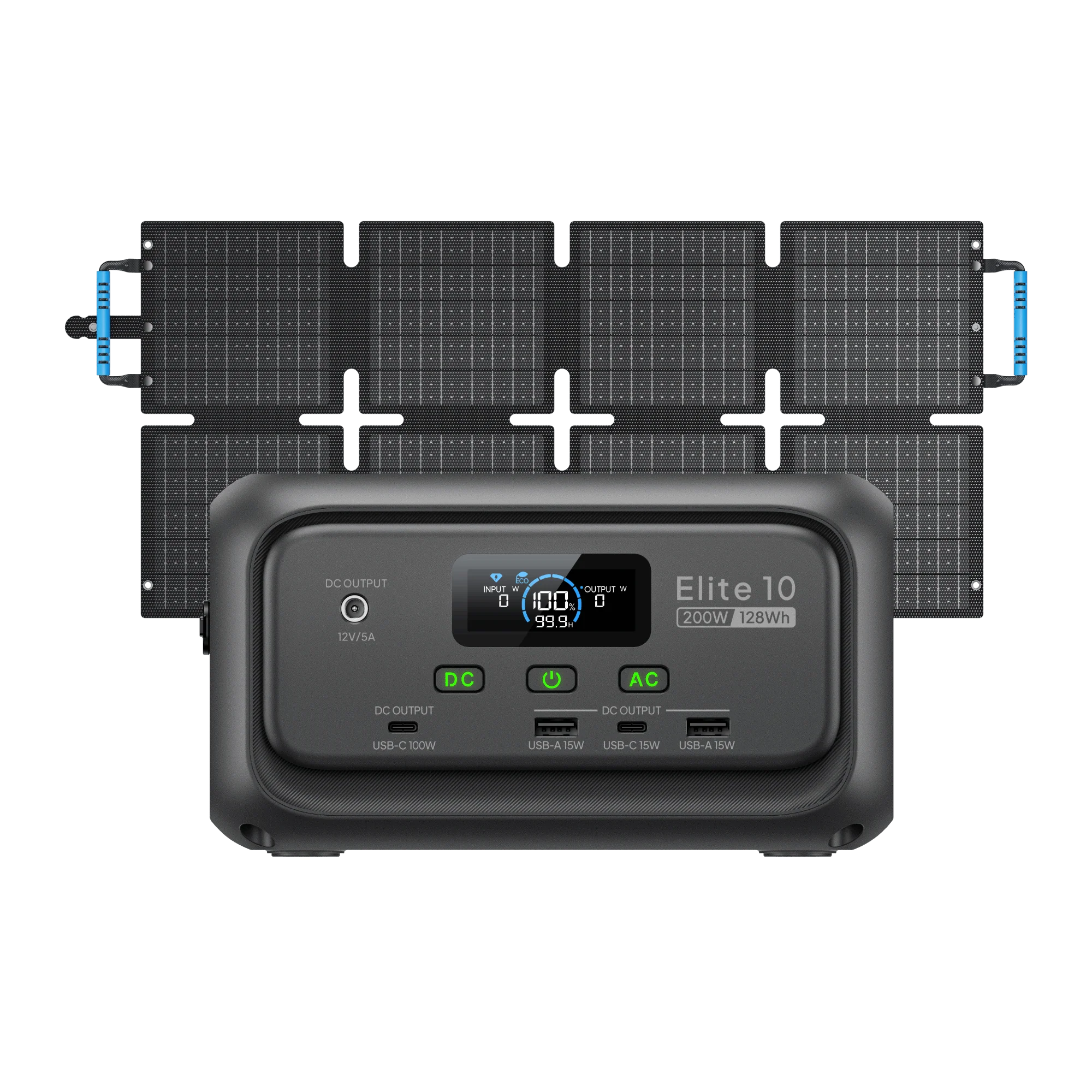
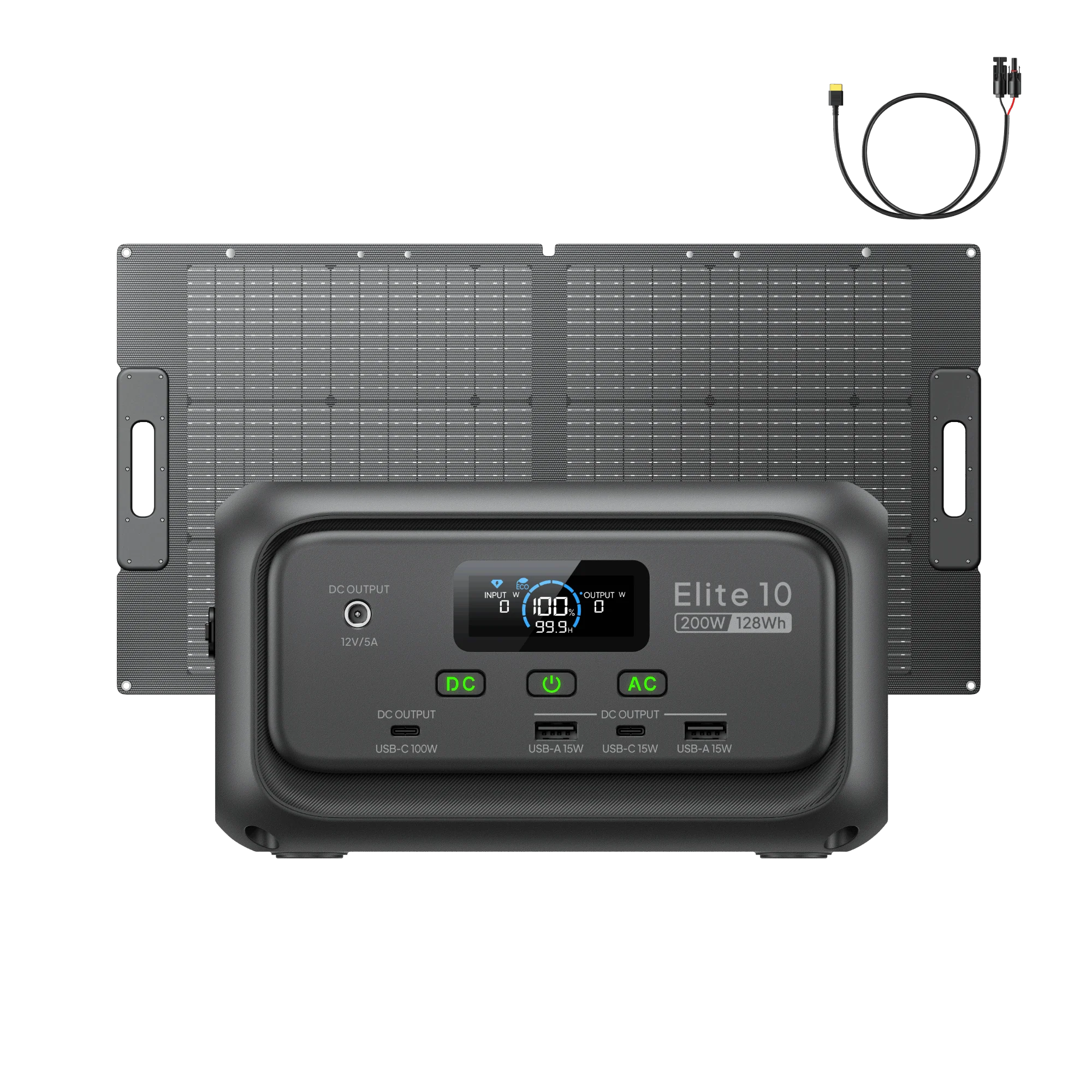
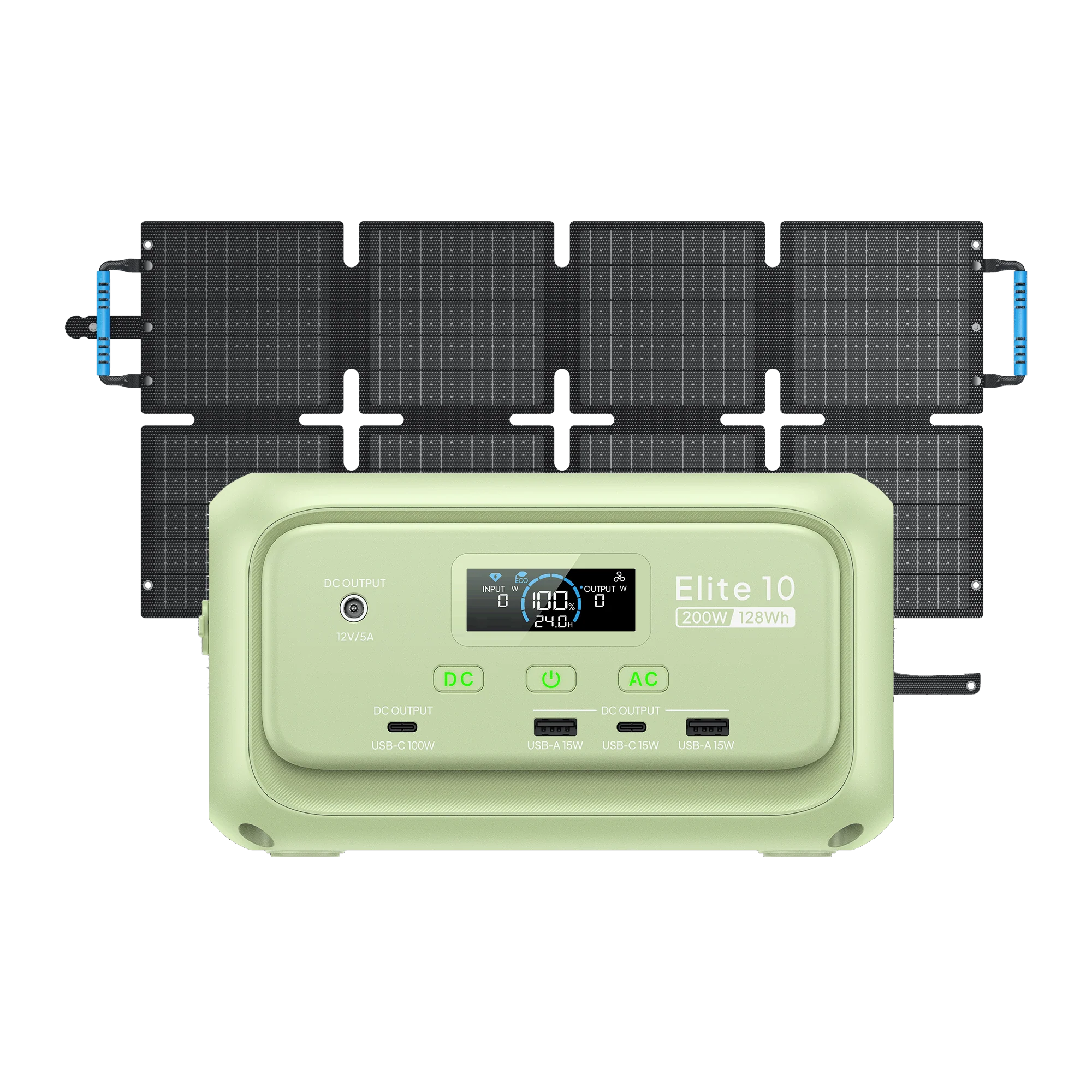
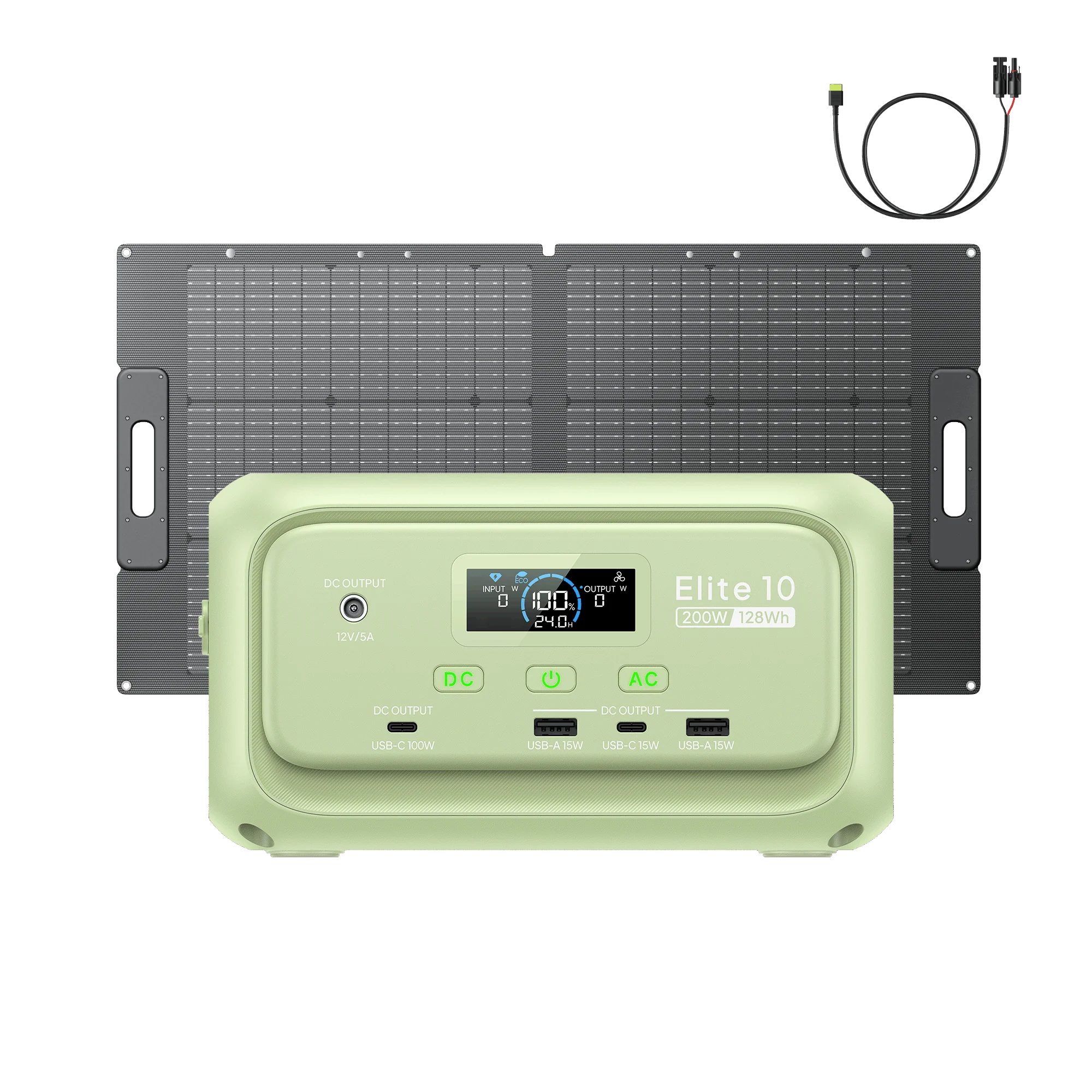
The Minimalist & Hiker: Elite 10
- Capacity/Output: 128Wh / 200W
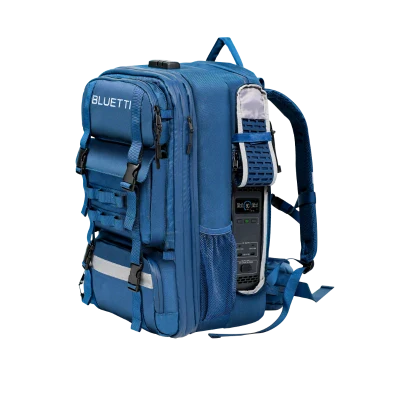
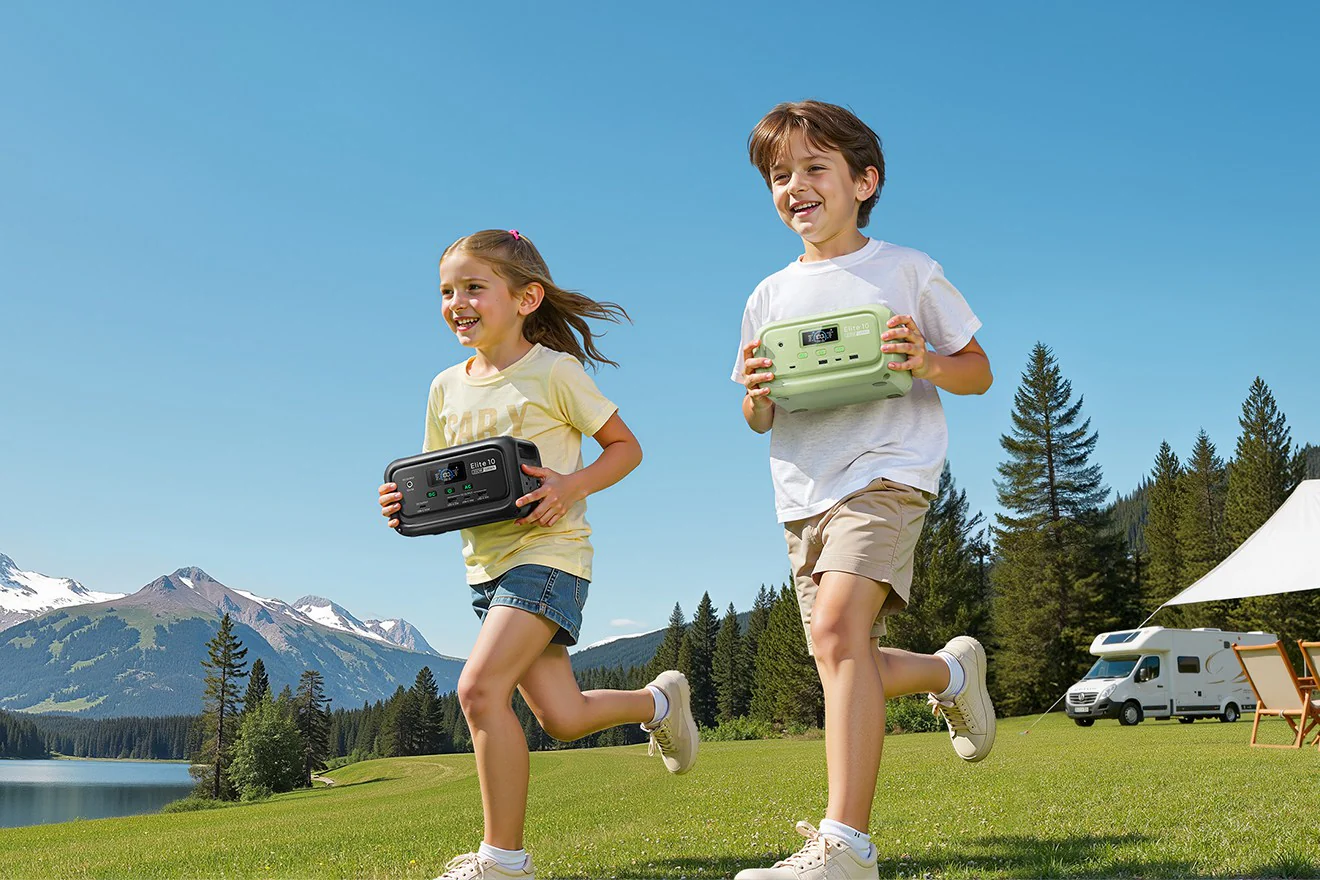
- Why it's perfect: If you're trekking or just need to keep the smartphone and headlamp alive, these fit in a backpack without breaking your back.
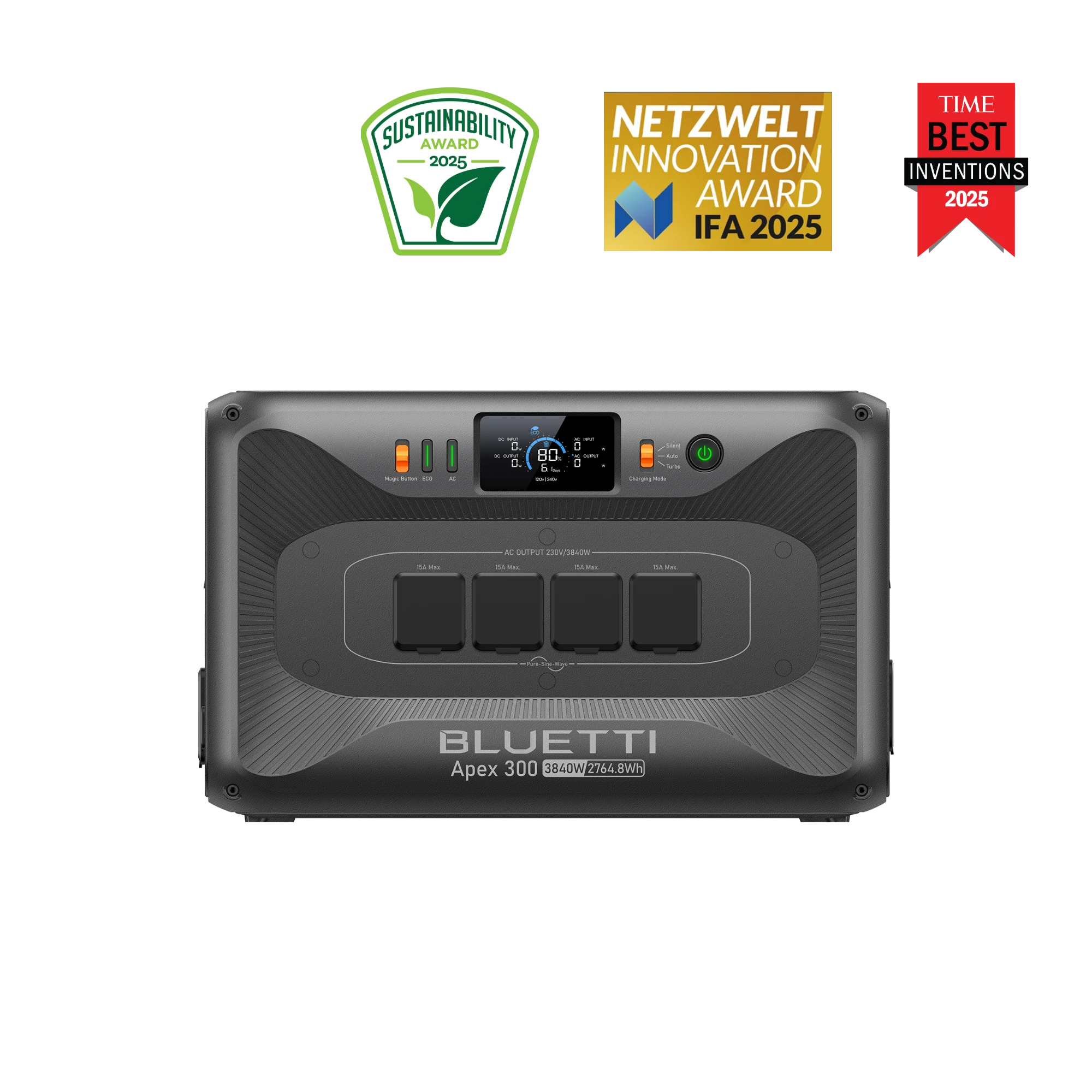
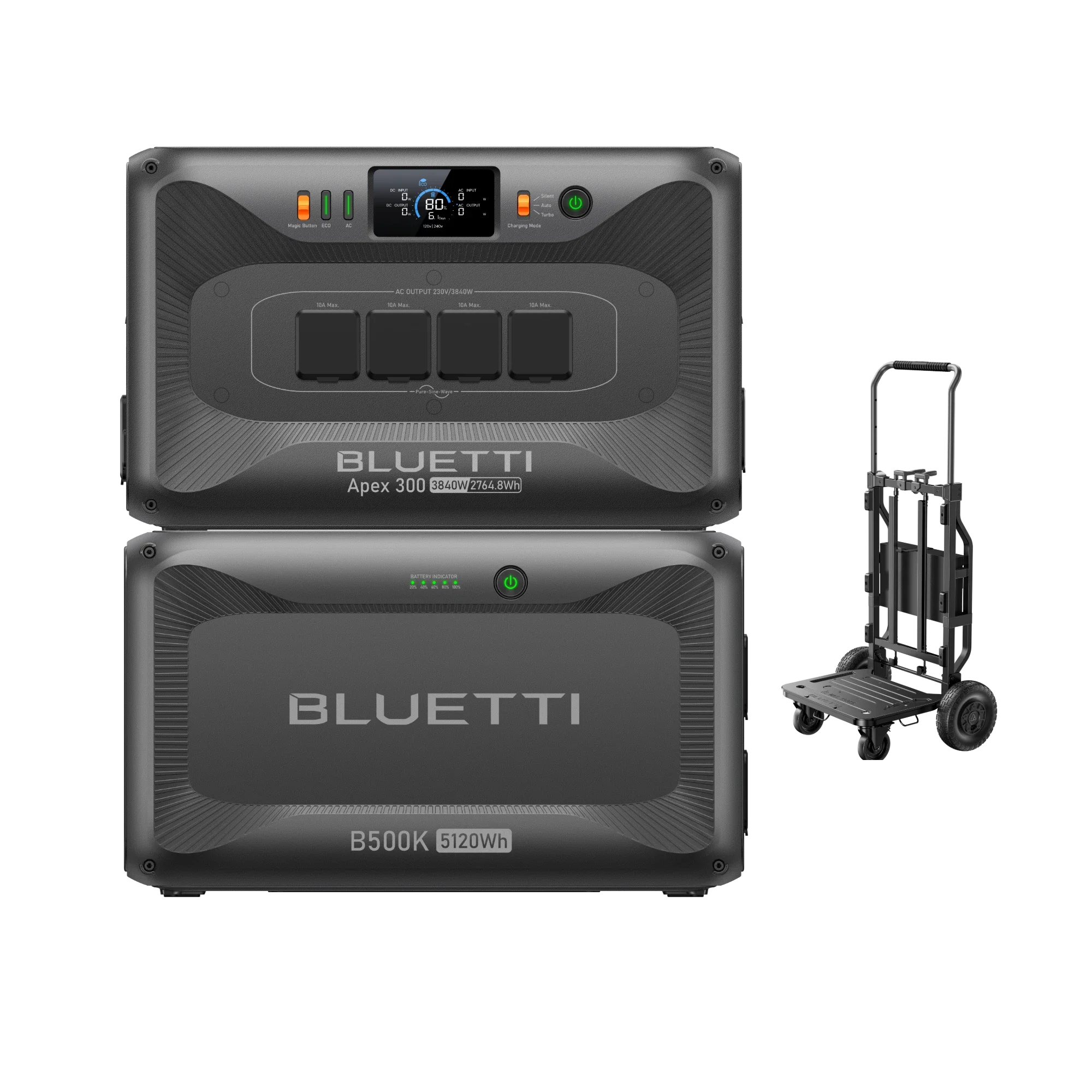
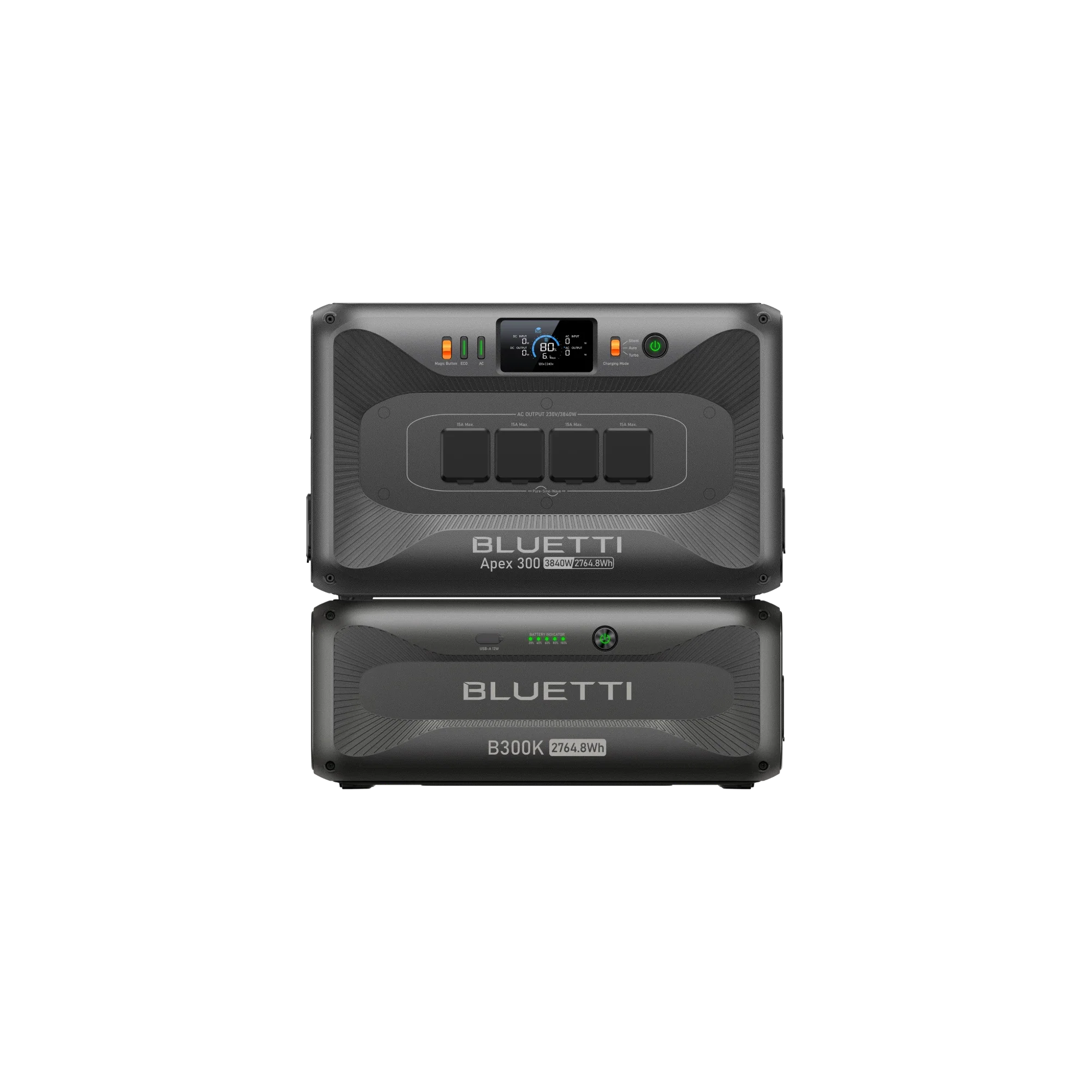
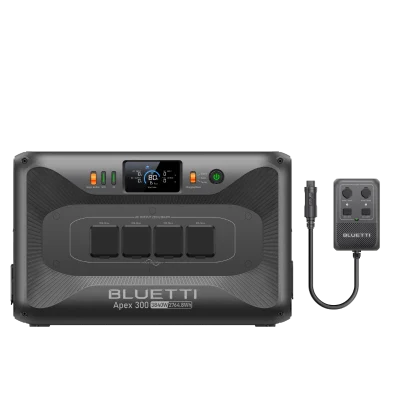
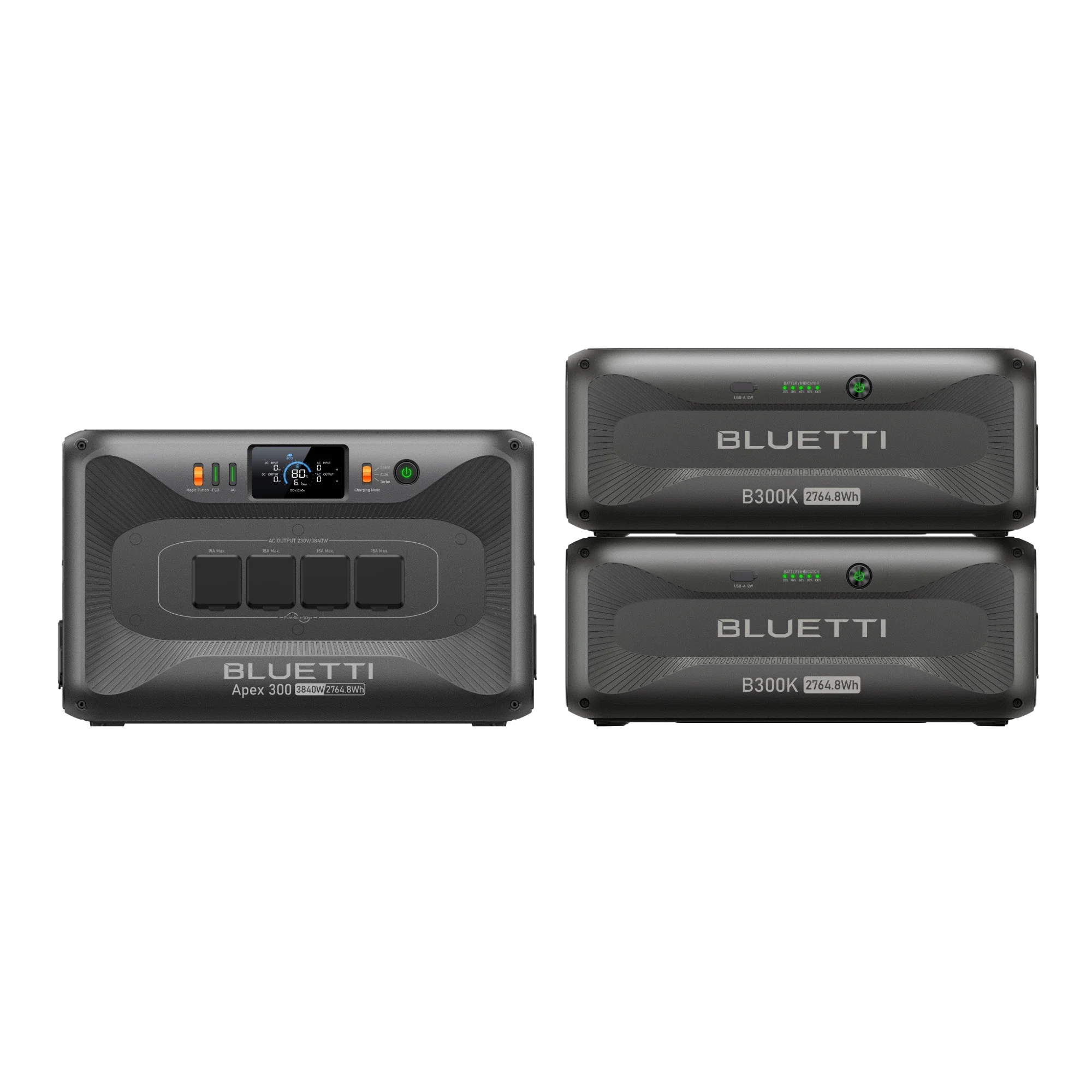
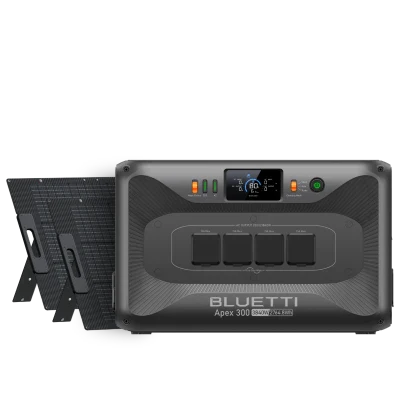
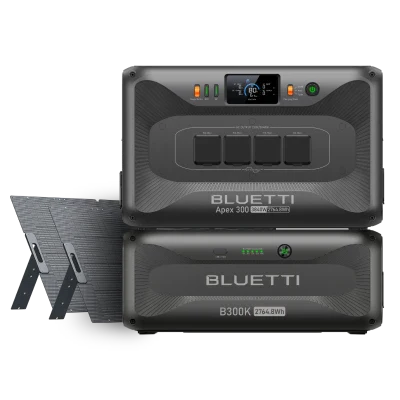
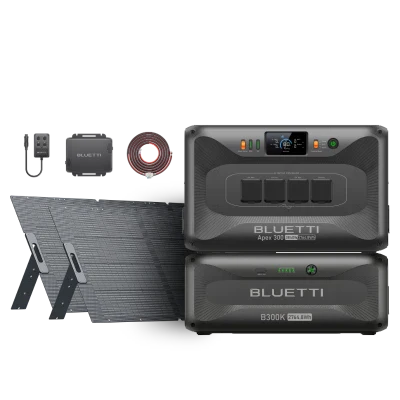
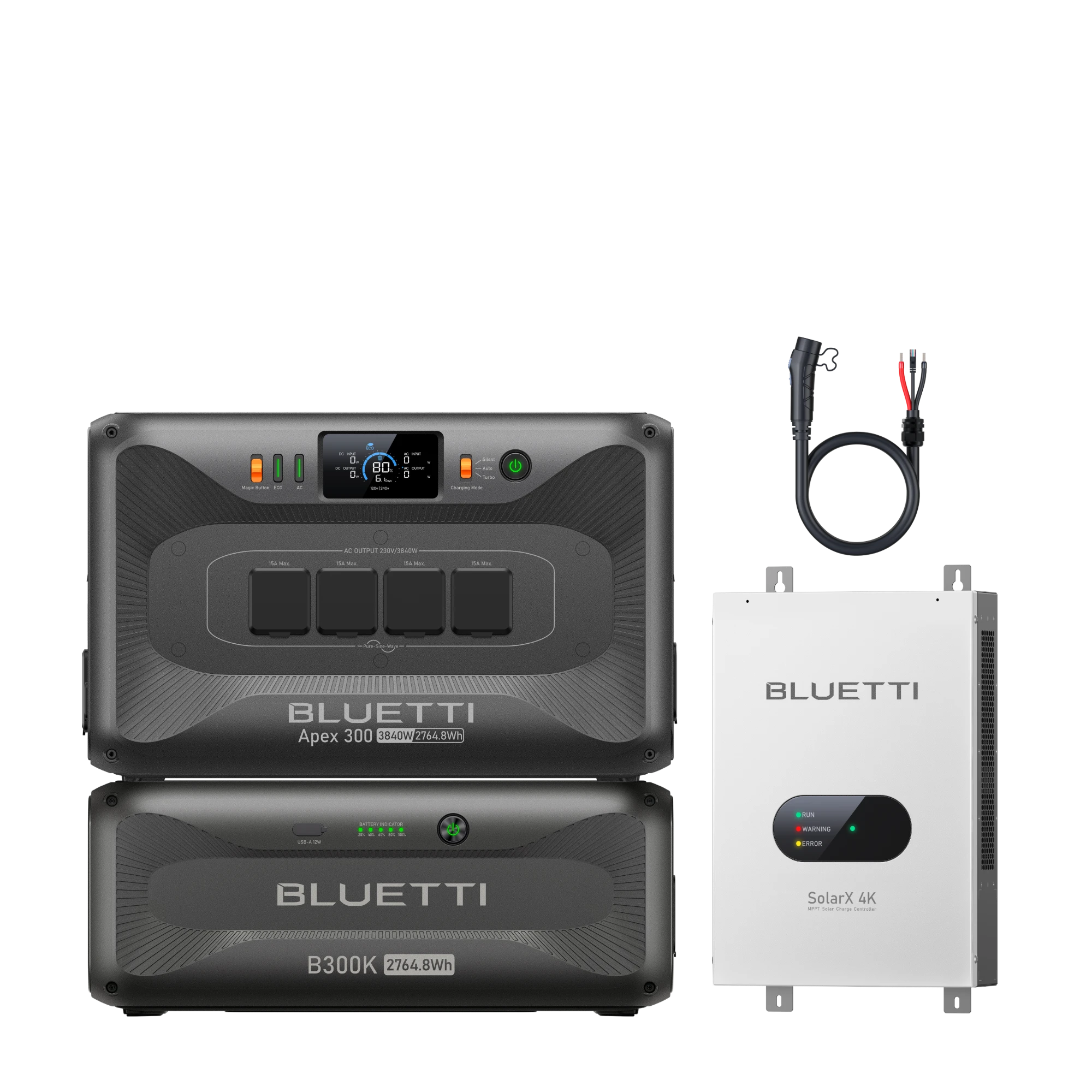
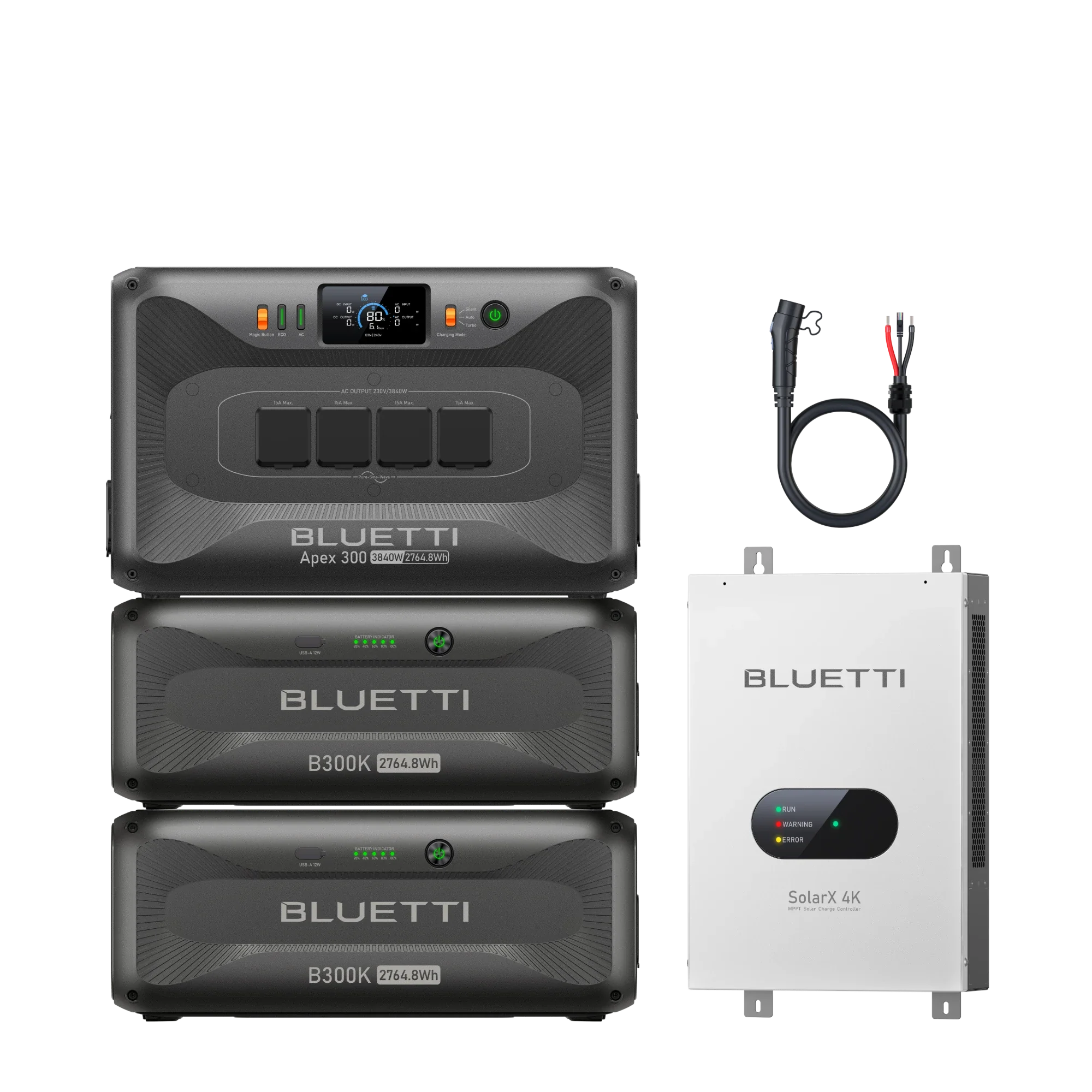
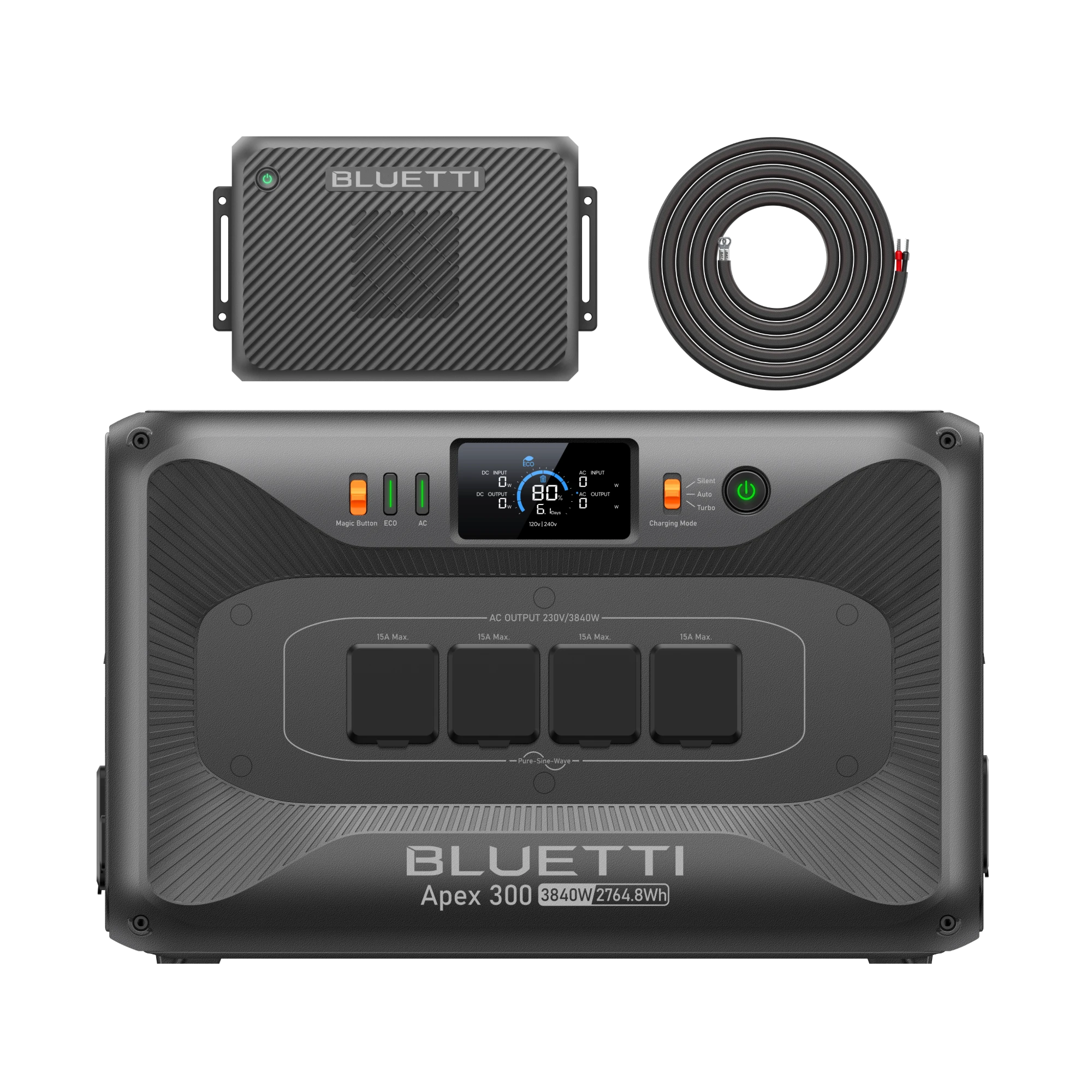
The Ultimate Off-Grid Setup: Apex 300
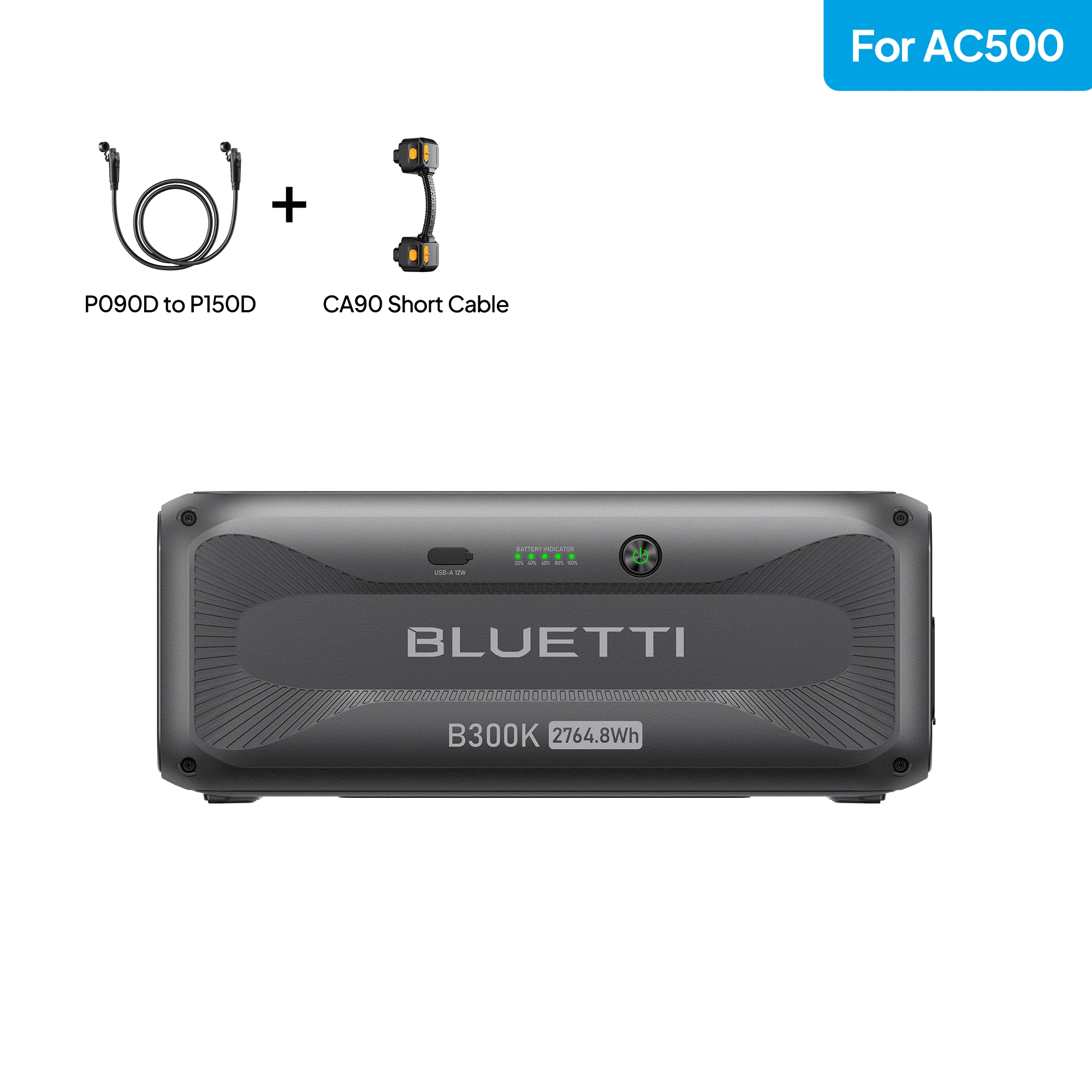
- Capacity/Output: 2,764.8Wh / 3,840W Output
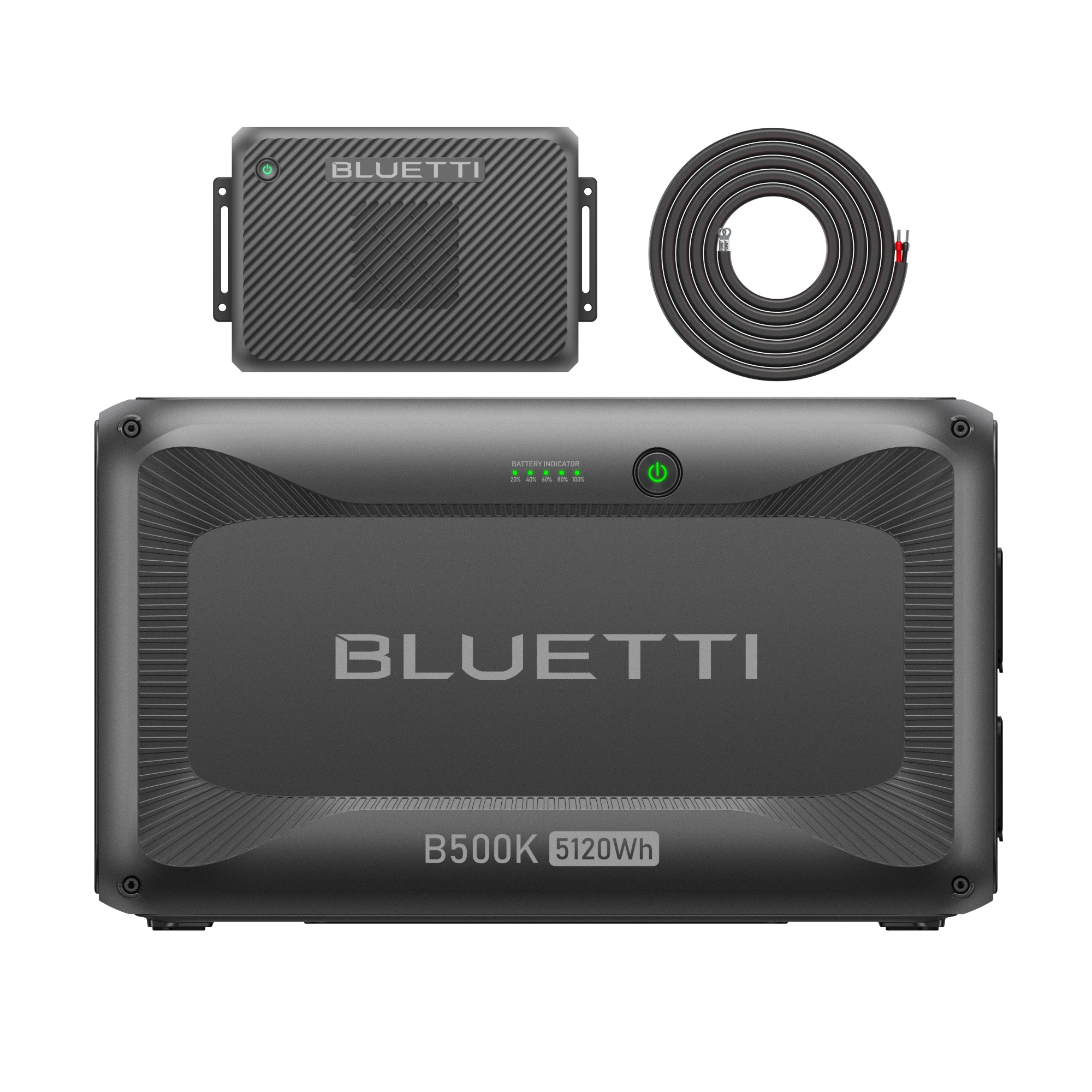
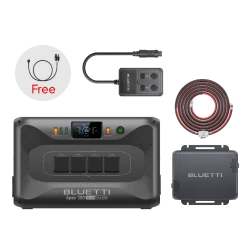
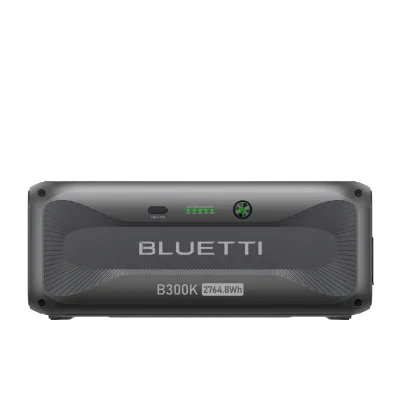
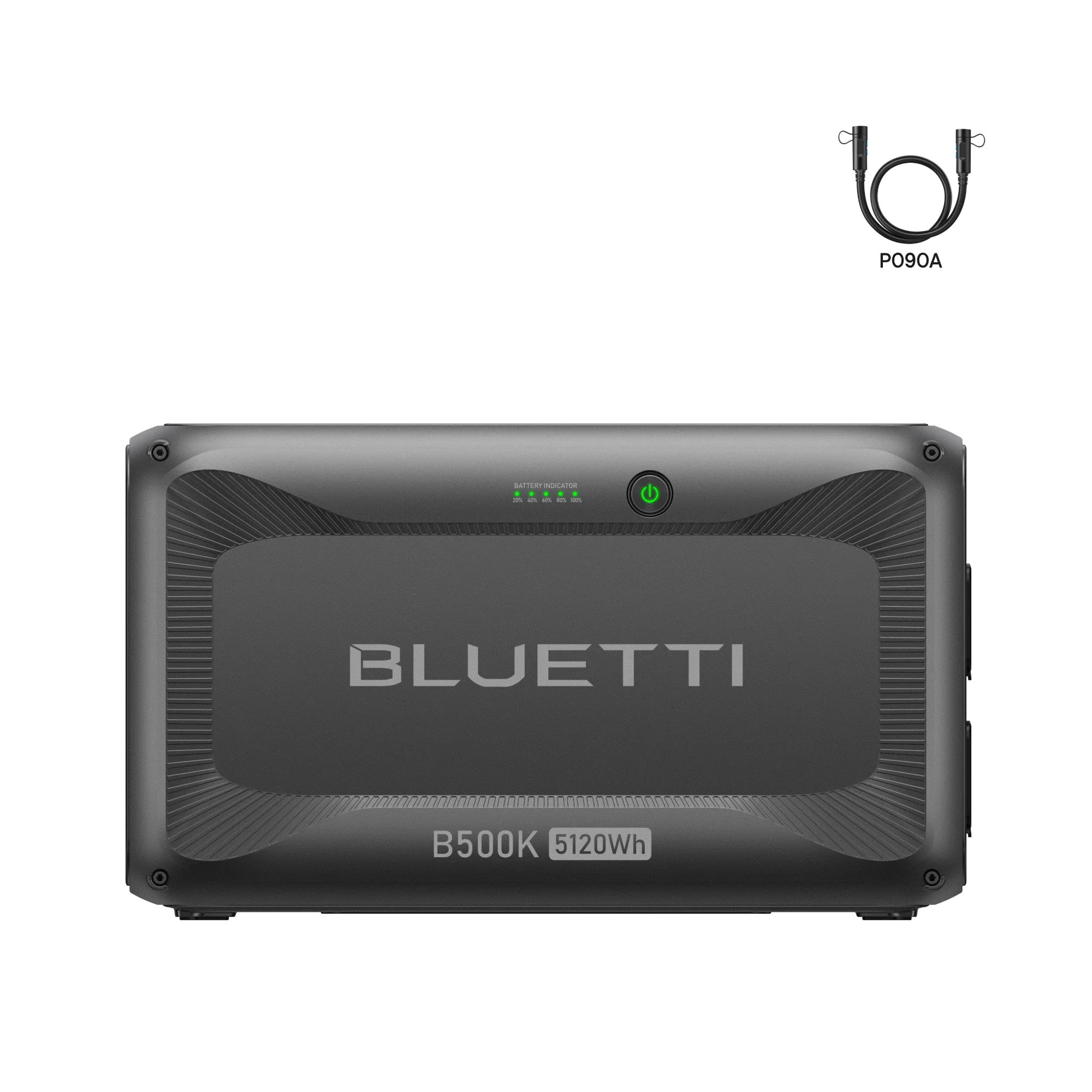
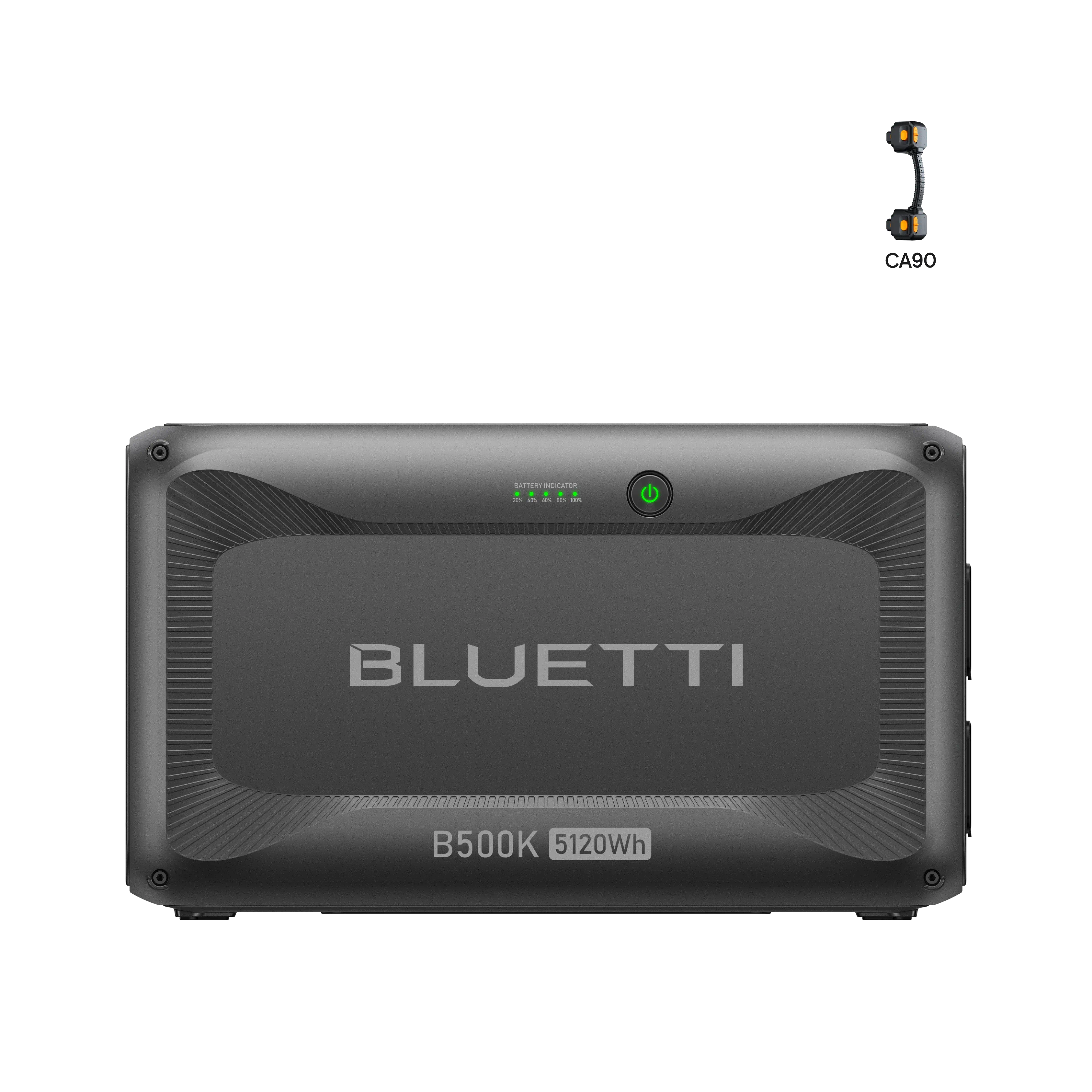
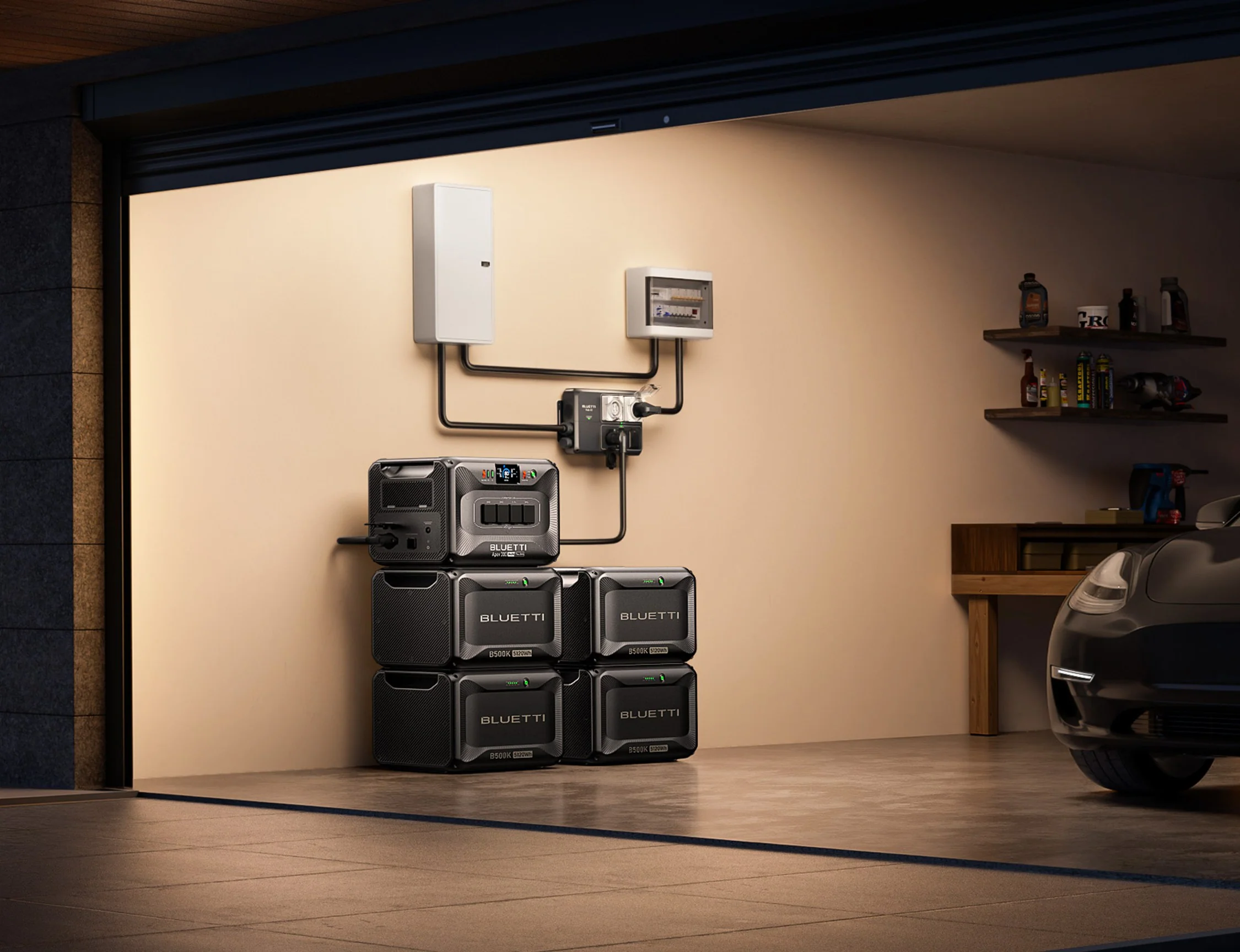
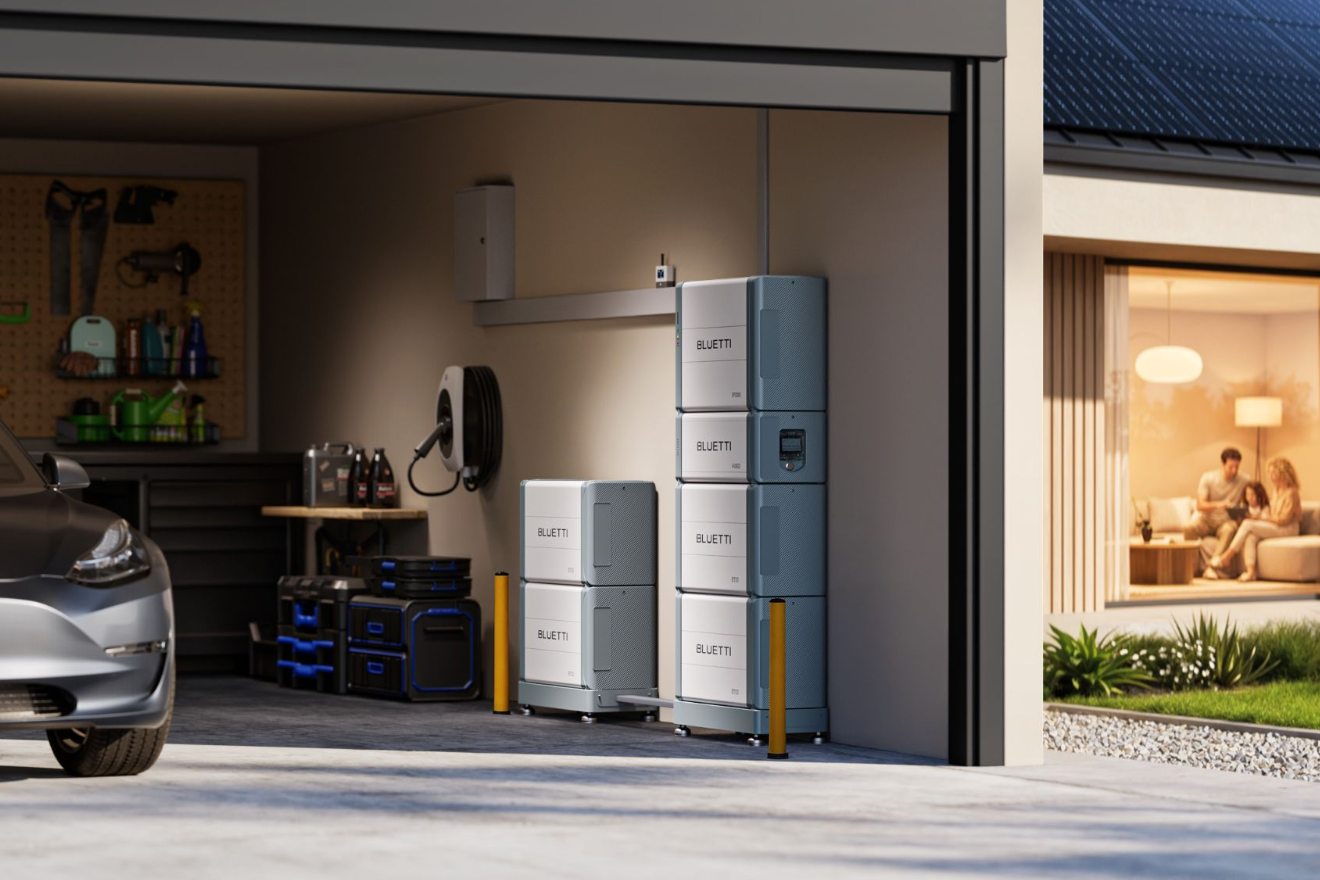
- Why it's perfect: A beast for base camps or off-grid cabins. It is expandable up to 33kWh by adding 6 x B500K expansion batteries, effectively replacing a petrol generator.
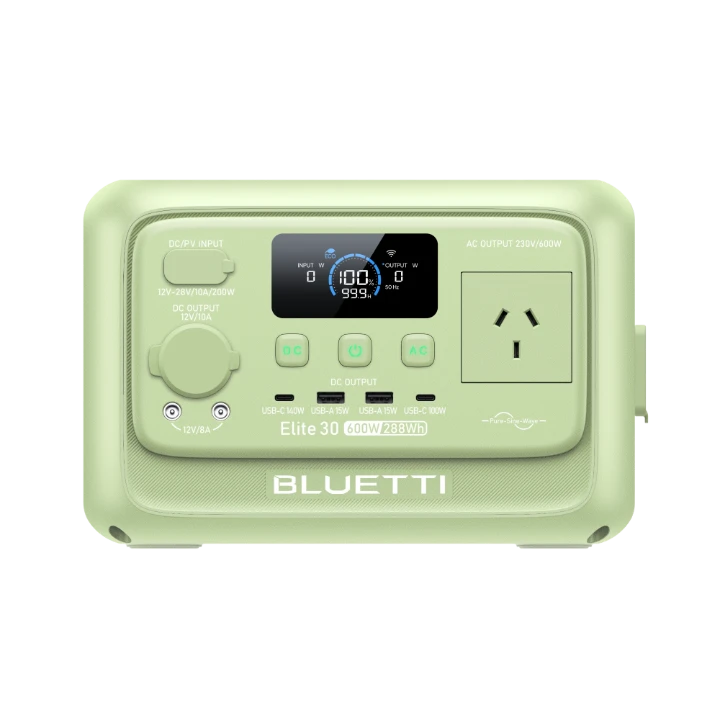
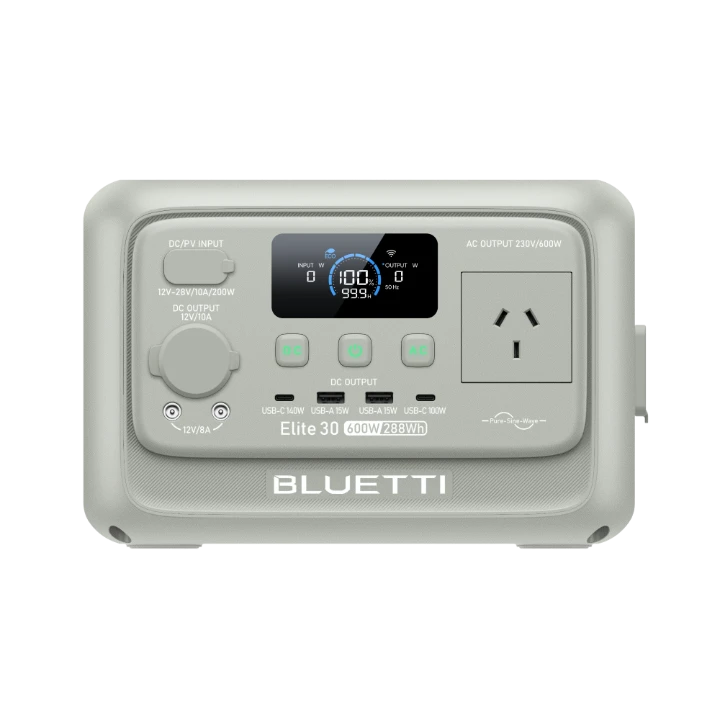
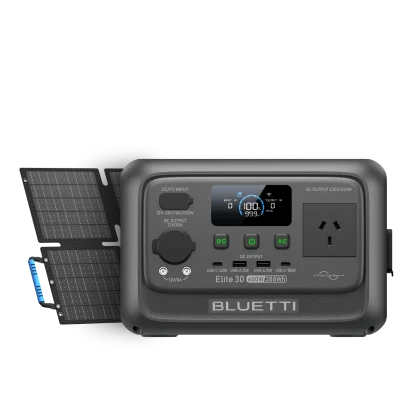
The Entry-Level Choice: Elite 30 V2
- Capacity/Output: 288Wh / 600W
- Why it's perfect: A budget-friendly unit for light duty. Boil a kettle using Lifting Mode or keep the laptop charged during a short trip.
Frequently Asked Questions (FAQs)
Can I charge my devices while the power station is charging?
Yes. This is "pass-through charging." It allows the unit to act like a UPS (Uninterruptible Power Supply), which is perfect for keeping a fridge or router running while connected to solar.
How do these units handle the cold?
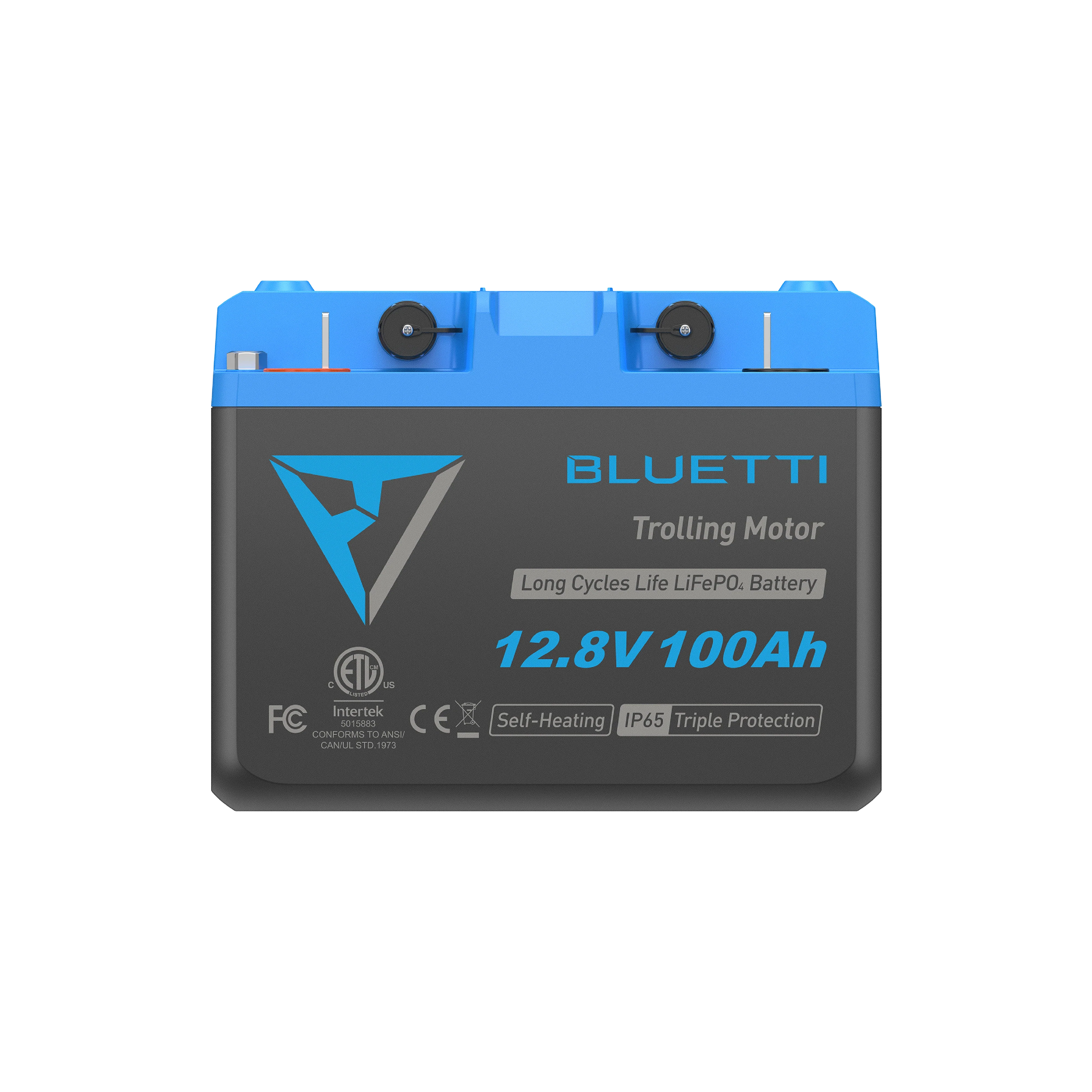
LiFePO4 units can discharge down to -20°C, but you should never charge a battery if the internal temperature is below 0°C (unless using a self-heating model like the B1232), as this can cause permanent cell damage.
Is it safe to leave a power station in a hot car?
No. While LiFePO4 is thermally stable and won't easily catch fire, the internal electronics are sensitive. Temperatures inside a closed vehicle can exceed 60°C, which will trigger a thermal shutdown or damage the inverter. Always store it in a shaded, ventilated area.
Conclusion: Powering Your Adventure with Confidence
The right portable power station is more than just a battery—it's your ticket to freedom and safety in the great Australian outdoors. By choosing a unit with LiFePO4 chemistry, an appropriate IP rating, and a high-efficiency inverter, you're ensuring that your gear is as tough as the tracks you're travelling.
Righto, grab your gear, top up your station with some Aussie sunshine, and get out there. Your next adventure is waiting—stay powered and stay safe, mate!


